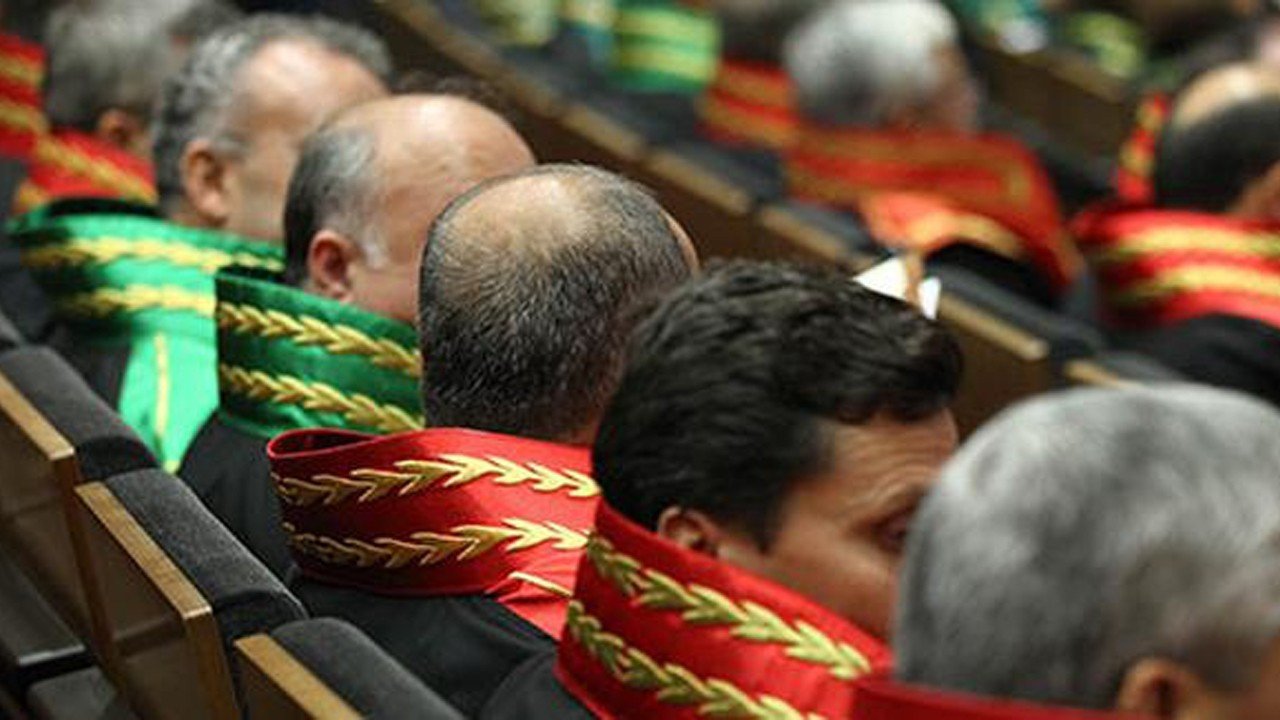
A United Nations special rapporteur has warned that Turkey’s opaque judicial recruitment and interview practices may undermine judicial independence, citing a lack of transparency, objective criteria and independent oversight in the appointment, promotion and transfer of judges and prosecutors.
In a letter sent to the Turkish government on March 12, 2026, and made public this week, UN Special Rapporteur on the Independence of Judges and Lawyers Margaret Satterthwaite said Turkey’s procedures for recruiting and evaluating judges and prosecutors lacked sufficient safeguards to ensure merit-based selection and career advancement.
Satterthwaite said key elements of the recruitment system, including evaluation methodology and selection criteria, are not made public. She added that candidates are given only limited information about their results, while tools for assessing judicial competence and qualitative attributes are reportedly absent.
The rapporteur also expressed concerns about the exclusion of civil society organizations, bar associations and academic institutions from appointment processes to the country’s higher courts and other key judicial bodies, including the Supreme Court of Appeals. She warned that such gaps could increase the risk of political influence in judicial appointments.
Satterthwaite also questioned the role of the Council of Judges and Prosecutors (HSK), asking Turkish authorities to explain how decisions on the appointment, promotion and transfer of judges are made and whether they are subject to independent review.
Satterthwaite warned that the practices described in the letter could undermine the right to a fair trial before a competent, independent and impartial tribunal, as protected under the Universal Declaration of Human Rights and the International Covenant on Civil and Political Rights.
She urged Turkish authorities to disclose the rules and procedures governing judicial appointments and to ensure that selection processes are transparent, accessible and subject to public scrutiny.
Turkey’s recruitment and appointment practices in public service have long been criticized for favoring personal connections or political affiliations over professional qualifications and competence.
A recent survey found that only 36 percent of the respondents expressed confidence in the judiciary, reflecting broader public concerns over judicial independence and impartiality.
During the 2023 presidential elections President Recep Tayyip Erdoğan promised to abolish the interview-based selection in public personnel recruitment. Three years later, no steps have been taken to implement the commitment.
The current structure of the judiciary is widely seen as being shaped by developments following a 2016 coup attempt. After the failed coup, the Turkish government declared a state of emergency and carried out a massive purge of state institutions under the pretext of an anti-coup fight. Over 4,156 judges and prosecutors were summarily removed from their jobs for alleged membership in or relationships with “terrorist organizations” by emergency decree-laws subject to neither judicial nor parliamentary scrutiny.
The dismissals significantly reduced judicial capacity and are widely assessed to have weakened institutional continuity. At the same time, the caseload in Turkish courts has continued to rise, creating what observers describe as a structural strain on the justice system due to a shortage of experienced judges and prosecutors.
Concerns over the rule of law have also been reflected in international assessments. Turkey was ranked 118th among 142 countries in the World Justice Project’s 2025 Rule of Law Index.