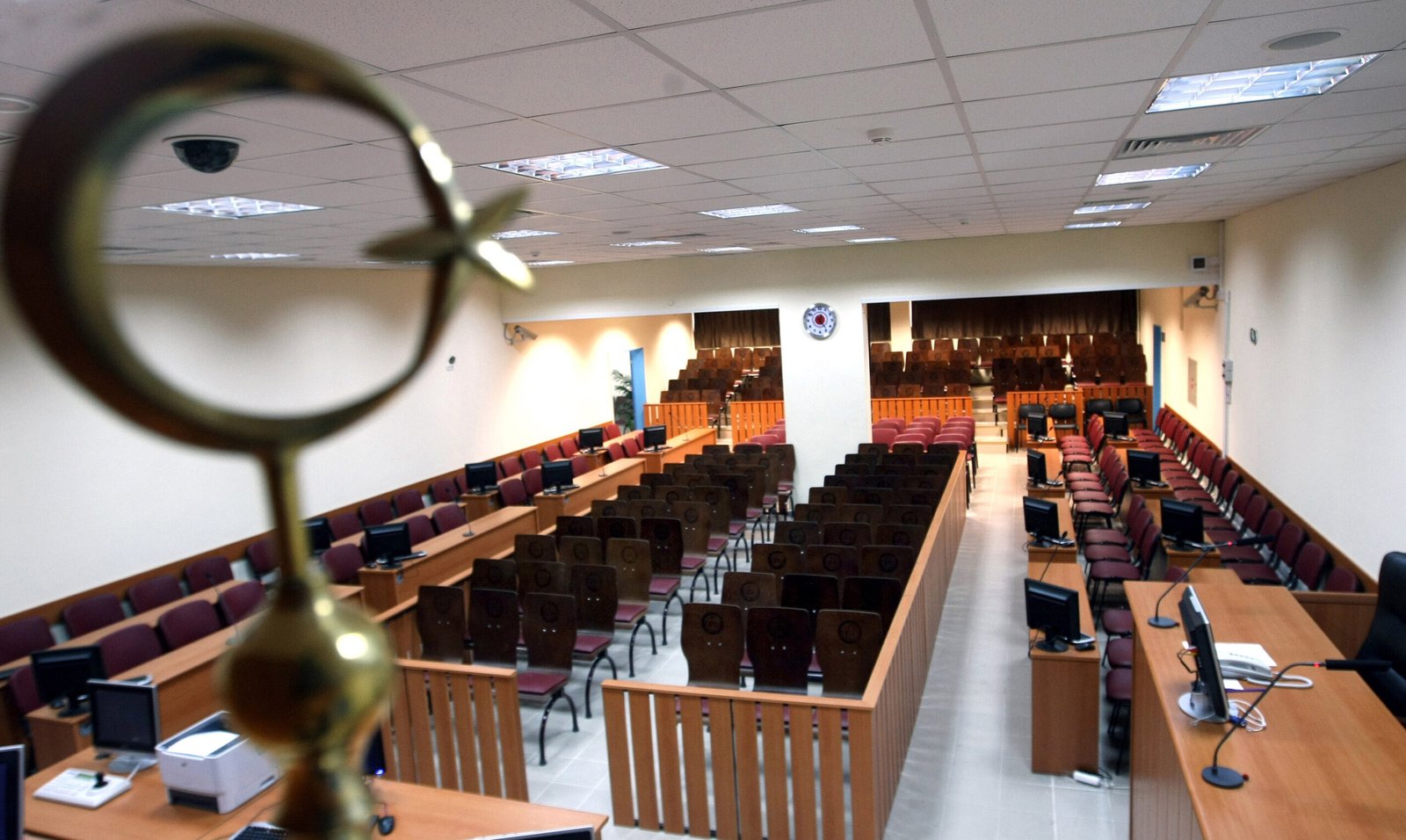
Public trust in Turkey’s judiciary has fallen to 36 percent, with half of respondents saying they do not trust the courts, according to a March 2026 survey that points to a crisis of confidence in key state institutions, Turkish Minute reported.
The survey, conducted by İstanbul-based Gündemar between March 23 and 26 on 2,200 people in 60 provinces, found that 50 percent of respondents said they did not trust the judiciary, the highest level of distrust recorded for any institution in the poll. Only 36 percent expressed confidence, while 11 percent said they were undecided and 3 percent had no opinion.
The judiciary was the only institution where distrust exceeded 50 percent, indicating that skepticism toward the courts has reached a level that goes beyond political polarization and reflects a wider erosion of public confidence.
The findings also showed low levels of trust in institutions tied to democratic oversight. Trust in the media ranked lowest overall at 24 percent, while 53 percent expressed distrust. Parliament was nearly evenly split, with 41 percent expressing trust and 42 percent distrust, while confidence in the presidency stood at 42 percent against 44 percent distrust.
Opinion on municipalities also reflected a divided public perception, with 38 percent expressing trust and the same share expressing distrust. Confidence in the political opposition remained low at 31 percent, while 43 percent said they did not trust opposition parties, pointing to a larger crisis of representation across the political spectrum.
Universities ranked in the middle in terms of public confidence, with 49 percent of respondents expressing trust and 27 percent distrust, while 20 percent said they were undecided. The figures suggest that although institutions of higher education retain stronger public support than political bodies, concerns about academic independence remain.
By contrast, institutions associated with security maintained much higher levels of public confidence. Trust in the police was measured at 69 percent, while the Turkish Armed Forces (TSK) ranked highest among all institutions at 73 percent.
The survey also asked respondents to identify Turkey’s most pressing problem. Economic concerns, including inflation and unemployment, ranked first at 50.33 percent, followed by concerns about law, justice and judicial independence at 18.26 percent, reinforcing the link between declining institutional trust and broader governance issues.
Turkey has faced price pressure for years. Official data show annual consumer inflation has remained in the double digits since 2019 and climbed above 75 percent in May 2024 before beginning to fall. Inflation remains one of the main economic challenges facing the government of President Recep Tayyip Erdoğan after years of a high cost of living.
The survey results come amid criticism from political figures and legal experts about the state of Turkey’s judiciary and its independence.
Former Constitutional Court president Haşim Kılıç and former education minister Hüseyin Çelik recently described the country’s judicial system and executive presidency model as a “disaster,” warning of erosion in fundamental rights and democratic safeguards. Kılıç criticized what he called a “timid and anxious stance” by the Constitutional Court in addressing rights violations and said the failure to enforce top court rulings was undermining public trust.
Turkey changed from a parliamentary system of governance to an executive presidential system after a 2017 referendum, granting sweeping powers to Erdoğan and removing many checks and balances, according to critics. Some analysts say the system has concentrated too much authority in one office, weakened institutional oversight and contributed to declining trust in political institutions.