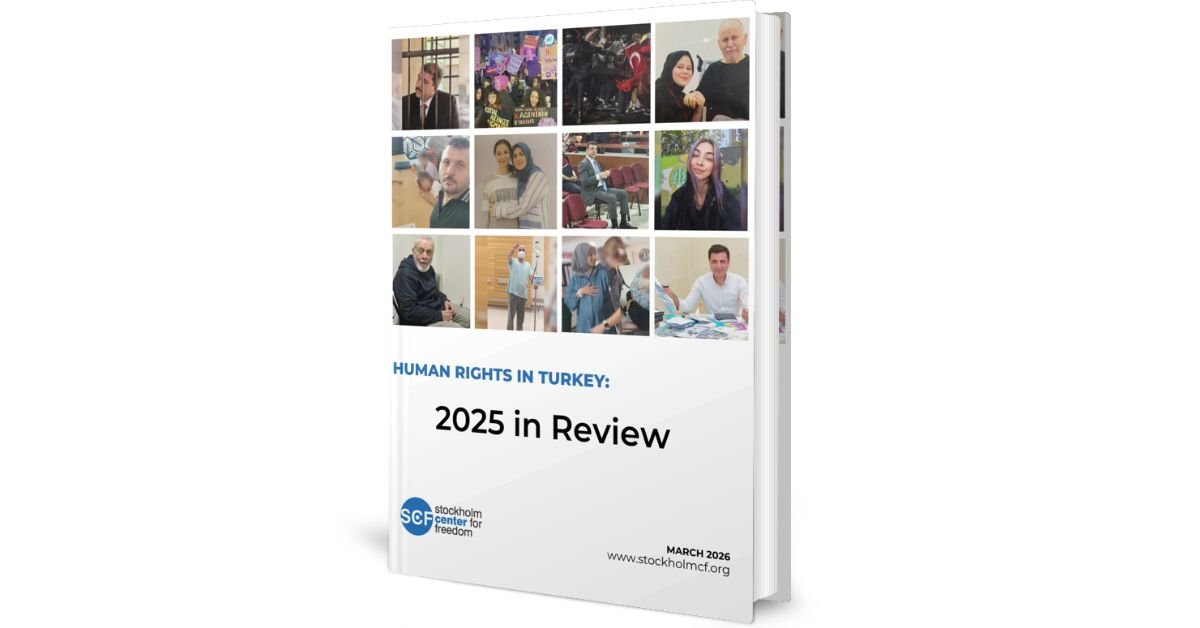
This report highlights the most important developments in the area of human rights in Turkey in 2025, a year marked by continued democratic decline and the erosion of fundamental freedoms under the increasingly centralized rule of President Recep Tayyip Erdoğan.
With extensive control over the media, judiciary and key state institutions, the government intensified pressure on opposition figures, independent journalists, civil society organizations and marginalized communities.
The pressure on the political opposition escalated significantly. The arrest of İstanbul Mayor Ekrem İmamoğlu, widely viewed as President Erdoğan’s strongest political rival and a potential presidential candidate, sparked the largest wave of anti-government protests in more than a decade. Turkish authorities detained nearly 2,000 people during demonstrations that followed his arrest, while journalists covering the protests were also taken into custody, and several opposition-aligned broadcasters were temporarily taken off the air.
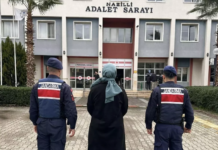
Throughout the year the Erdoğan government continued its repression of perceived adversaries, with the faith-based Gülen movement remaining a primary target. Interior Minister Ali Yerlikaya announced that 1,601 people were arrested in 2025 alone over alleged links to the movement. Official figures show that since a coup attempt in 2016 a total of 390,354 people have been detained and more than 113,000 arrested in investigations related to the movement. According to justice ministry statistics, more than 126,000 people have been convicted in Gülen-related trials since 2016, with thousands still imprisoned and tens of thousands remaining under investigation nearly a decade later.
Judicial statistics and international rankings underscored the depth of the country’s rule of law crisis. Turkey remained the country with the highest number of pending applications before the European Court of Human Rights (ECtHR), with more than 21,000 cases awaiting judgment in 2025, accounting for over one-third of the court’s total caseload. The judicial crisis, further exacerbated by courts’ failure to comply with Constitutional Court rulings, continued with new cases.
Press freedom deteriorated further as authorities expanded the use of prosecutions, regulatory penalties and online censorship against journalists and media organizations. Turkey ranked 159th out of 180 countries in the 2025 World Press Freedom Index published by Reporters Without Borders. Authorities also dramatically increased digital censorship, blocking more than 27,000 social media accounts in the first four months of the year alone.
Conditions in detention facilities worsened as Turkey’s prison population reached a record level of more than 433,000 inmates in 2025, exceeding official capacity by approximately 42 percent. Human rights organizations continued to document widespread allegations of torture, ill-treatment and medical neglect in detention, while overcrowding further strained already limited access to healthcare and basic services.
Turkey continued its transnational repression campaign targeting critics abroad, including a case of forced deportation in Rwanda and attempted actions in Kenya, Mozambique, and Brazil. These activities have also been reflected in official reports from Germany and the UK.
Labor rights also remained a serious concern. According to data compiled by the Health and Safety Labor Watch (İSİG), at least 2,105 workers died in occupational accidents in 2025, reflecting persistent safety failures and weak enforcement of labor protections. Child labor remained widespread, with dozens of underage workers dying in job-related incidents during the year.
Minority groups, refugees and migrants continued to face discrimination, violence and forced deportations. Syrian refugees reported abuse in deportation centers and pressure to sign so-called “voluntary” return documents, while rights organizations warned that Iranian refugees and Uyghur asylum seekers faced increasing risks of deportation.
Women’s rights groups also continued to raise alarm over persistent femicide and institutional failures to protect victims of gender-based violence. According to the We Will Stop Femicide Platform, at least 294 women were murdered by men in Turkey in 2025, while nearly 300 additional deaths involving women were recorded under suspicious circumstances.
Taken together, developments in 2025 highlighted the widening gap between Turkey’s constitutional guarantees of fundamental rights and the reality on the ground. Despite repeated warnings from international institutions and human rights organizations, the government took few meaningful steps to address systemic violations or restore the rule of law.