A senior adviser to Turkish President Recep Tayyip Erdoğan has said appeals for relief for people dismissed over alleged links to the faith-based Gülen movement amount to support for the movement, calling for a “clear and tough stance” against political actors making such appeals.
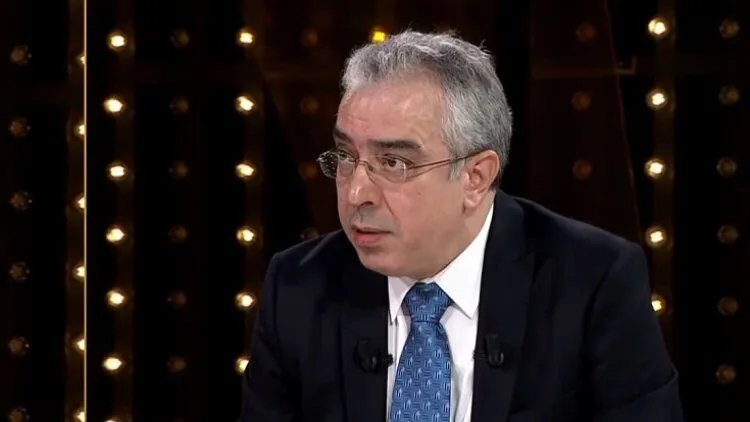
Mehmet Uçum, a chief adviser to Erdoğan and deputy chair of the president’s legal policies council, made the remarks in an article published by the state-run Anadolu news agency, where he criticized what he described as a “politics of tolerance” toward former civil servants purged under emergency decrees.
Uçum said political actors advocating solutions for former public servants dismissed by emergency decrees were using a “language of victimhood” and called on both the state and the public to take a firm stance against them.
Erdoğan has targeted followers of the Gülen movement, inspired by the US-based cleric Fethullah Gülen, who died in 2024, since corruption investigations in December 2013 implicated him as well as some members of his family and inner circle. He dismissed the probes as a Gülenist conspiracy and later designated the movement as a terrorist organization in May 2016, intensifying a sweeping crackdown after a coup attempt in July of the same year that he accused Gülen of orchestrating. The movement denies involvement in the coup attempt or any terrorist activity.
In his article Uçum described the movement as “an apparatus of the US and some European countries” and claimed it remained a threat to Turkey. He said its “worship and commercial structure had largely been dismantled,” an apparent reference to mass detentions and the confiscation of companies and properties allegedly affiliated with the movement.
According to official figures, 934 schools, 109 student dormitories, 104 foundations, 1,125 associations, 15 universities and 19 labor unions have been permanently closed down since 2016. In addition 784 companies with a combined asset value of 42.3 billion Turkish lira (about $1.3 billion) were taken on accusations of financially supporting the movement. Turkish officials also froze domestic assets belonging to 703 people.
Uçum also appeared to warn that judicial pressure on alleged movement members should continue. “Until it is completely eliminated, the struggle must continue with strong determination, and this determination must also be demonstrated by judicial authorities,” he said, adding that “our national judiciary will do what is necessary.”
While conceding that some criticism of legal proceedings against alleged movement members may be justified, Uçum argued that any shortcomings should be addressed only so long as doing so did not weaken the fight against the movement.
He also complained about reports published abroad and on social media platforms on operations targeting alleged followers and the human rights violations they have faced, saying steps should be taken to prevent such content from reaching the broader public.
Following the coup attempt, the Turkish government declared a state of emergency that remained in effect until July 19, 2018. During this period, the government carried out a purge of state institutions under the pretext of an anti-coup fight by issuing a number of government decrees. Over 130,000 public servants, including 4,156 judges and prosecutors, as well as more than 24,000 members of the armed forces were summarily removed from their jobs for alleged membership in or relationships with “terrorist organizations” by emergency decree-laws subject to neither judicial nor parliamentary scrutiny.
According to the latest figures from the justice ministry, more than 126,000 people have been convicted of alleged links to the movement since 2016, with 11,085 still in prison. Legal proceedings are ongoing for over 24,000 individuals, while another 58,000 remain under active investigation nearly a decade later.
In addition to the thousands who were jailed, scores of other Gülen movement followers had to flee Turkey to avoid the government crackdown.