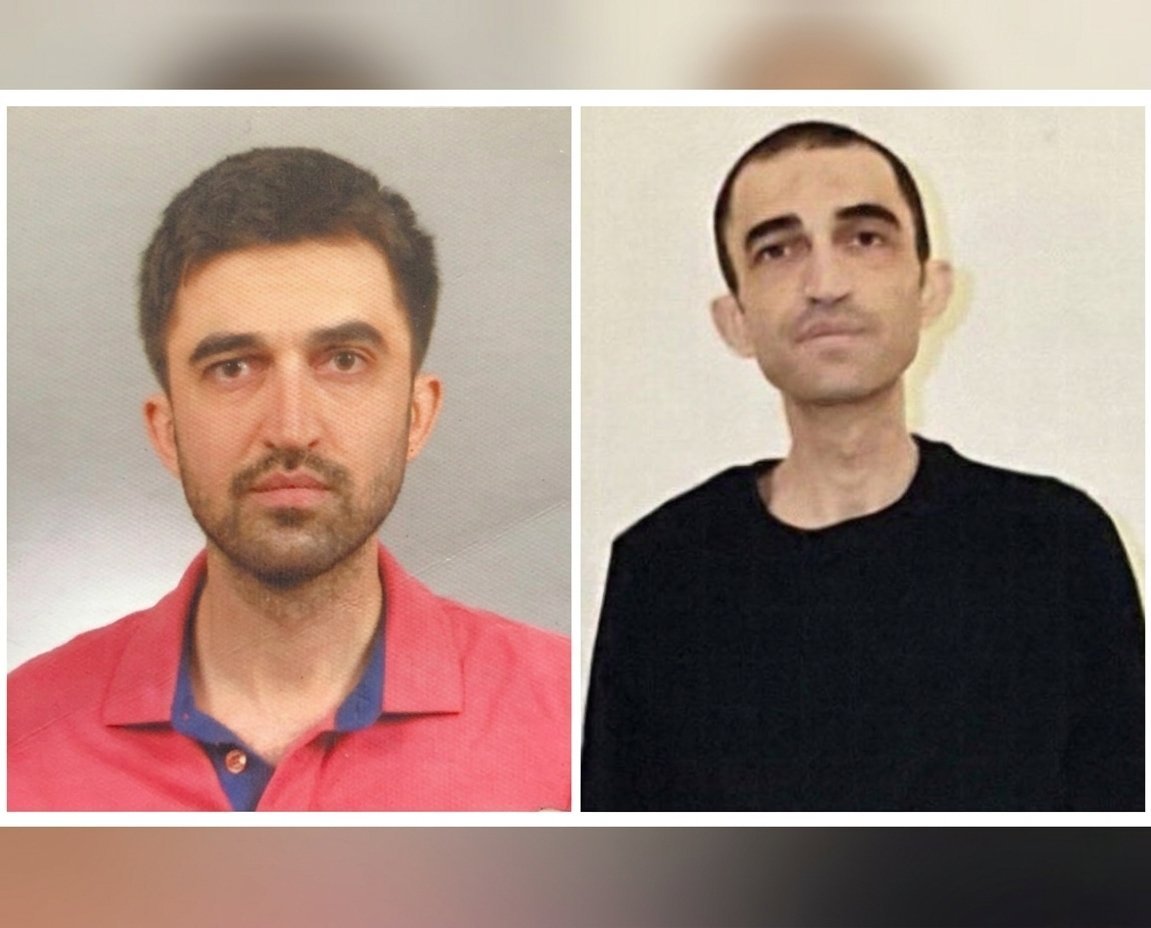
Turkish authorities are blocking the release of a critically ill inmate convicted over alleged Gülen movement links through contradictory prison reports and disputed evaluations, opposition lawmaker and human rights defender Ömer Faruk Gergerlioğlu said.
Mehmet Parlak’s condition has worsened to the point that he faces a hospitalization risk after losing both kidneys and suffering damage to a transplanted kidney while in prison, the pro-Kurdish Peoples’ Equality and Democracy Party (DEM Party) lawmaker said.
Gergerlioğlu said prison authorities had blocked Parlak from benefiting from a one-tenth sentence reduction based on “good behavior” by assigning him a score of 59.25 out of 100, just below the 60-point threshold required for eligibility.
Parlak, a former court clerk, was dismissed in October 2016 by a government decree following a coup attempt in Turkey and was sentenced to over six years in prison in May 2022 on charges of membership in a terrorist organization for his alleged links to the faith-based Gülen movement.
His conviction was based on his alleged use of ByLock, an encrypted messaging app once widely available on Apple’s App Store and Google Play, that Turkish authorities claim was used as a secret communication tool for Gülen supporters.
In 2023 the European Court of Human Rights ruled in a landmark case that convictions based on ByLock use and other alleged Gülen-linked activities, such as having an account at a movement-affiliated bank, violated the rights to a fair trial, no punishment without law and freedom of association.
According to Gergerlioğlu, Parlak became eligible for supervised release in January 2026 but was denied the measure after authorities questioned whether he had genuinely distanced himself from the movement.
Turkish President Recep Tayyip Erdoğan has targeted followers of the Gülen movement, inspired by the US-based cleric Fethullah Gülen, who died in 2024, since corruption investigations in December 2013 implicated him as well as some members of his family and inner circle. He dismissed the probes as a Gülenist conspiracy and later designated the movement as a terrorist organization in May 2016, intensifying a sweeping crackdown after the coup attempt in July of the same year that he accused Gülen of orchestrating. The movement denies involvement in the failed coup or any terrorist activity.
Gergerlioğlu also cited serious contradictions and errors in reports prepared by the administrative oversight board. One prison board report mistakenly described Parlak as a “former Supreme Court of Appeals member,” apparently after his personal information was inserted into another inmate’s report. Despite the error, the enforcement judge responsible for reviewing inmates’ objections and a high criminal court that later examined the appeal upheld the evaluation.
Under Turkey’s Law on the Execution of Sentences and Security Measures, courts may suspend the sentence of a prisoner who, due to a serious illness or disability, cannot sustain life in prison conditions and who is not considered a serious or concrete danger to society. Rights groups say the provision is very rarely applied in practice.
Administrative oversight boards, established in Turkish prisons in January 2021, have faced criticism for arbitrarily rejecting or delaying the parole or probation of political prisoners including on grounds such as “failure to display remorse.”