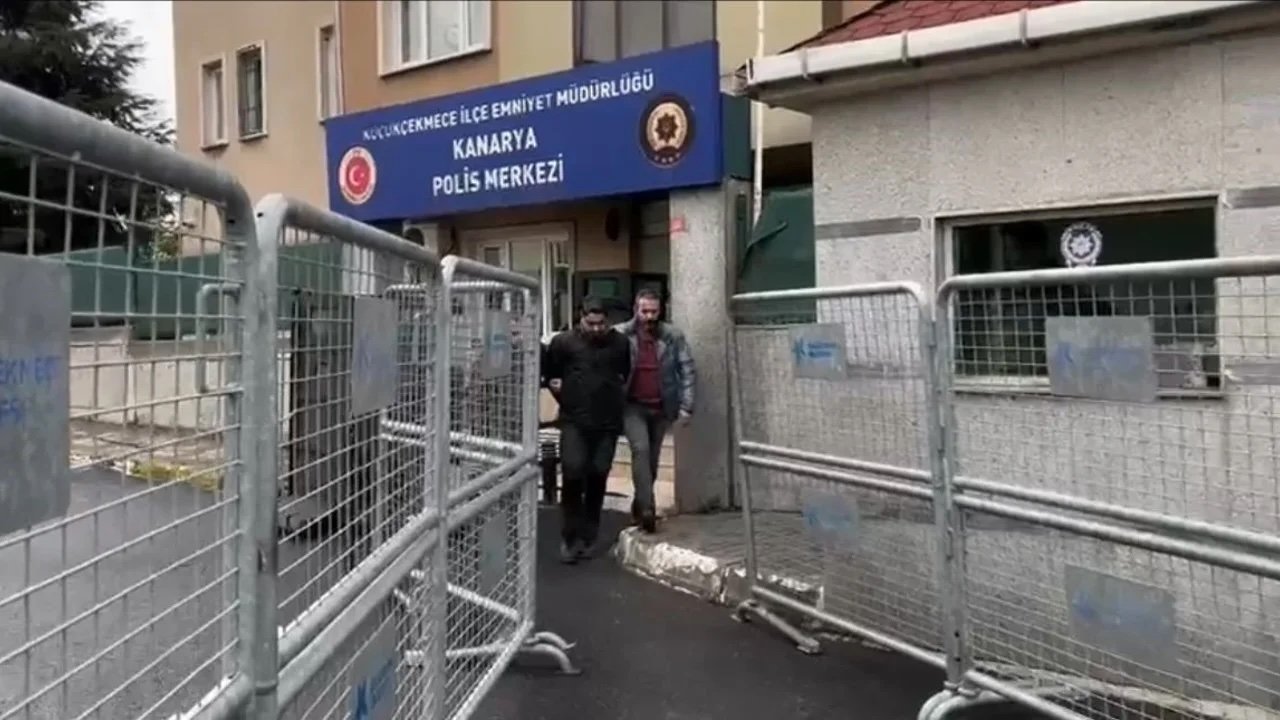
The Turkish Justice Ministry is preparing to replace police station sign-ins for many people under judicial supervision with a phone-based biometric and GPS tracking system, part of a plan to expand the country’s digital monitoring capacity from about 3,000 people to roughly 450,000 nationwide, Turkish Minute reported.
The reports cited the Justice Ministry’s 2025 activity report and said the Biometric Signature Method and Tracking System (BİOSİS), has reached the stage for solicitation of bids. The ministry says the system would digitize obligations such as signing in and some community service checks now carried out in person.
Courts in Turkey can put suspects, defendants and convicts under judicial supervision and require them to meet conditions such as reporting at set times, staying away from certain places or performing community service instead of serving part of a sentence in prison. Many of those reporting obligations would be shifted from police stations to smartphones under the new system.
According to the reports, supervised individuals would receive notifications on their phones and would then have to verify their identity using biometric data such as a fingerprint or face scan. The system would also collect GPS data to confirm location, detect entry into restricted areas and issue automatic alerts when a violation is suspected.
The scale of the planned expansion is striking. The ministry says Turkey’s current electronic monitoring infrastructure can track only about 3,000 people, while BİOSİS is designed to cover roughly 450,000 people under supervision across the country.
The Justice Ministry has presented the system as a less restrictive and more efficient form of supervision because it would reduce repeated trips to police stations and lower the need for field staff and extra hardware. But the project would greatly expand the routine use of biometric and location based surveillance in Turkey’s criminal justice system.
Turkey’s prison population stood at 414,401 on April 1, including 351,887 convicted prisoners and 62,514 pretrial detainees, held in 403 prisons with an official capacity of 304,956, meaning the system is operating far above capacity.
The latest Justice Ministry statistics dated March 31 shows 490,323 people under judicial supervision or probation-related monitoring, including 124,977 under judicial supervision and 230,600 serving the remainder of their sentences under supervised release.
Those numbers help explain why the ministry is pushing the new biometric phone tracking system. Turkey already has more people under judicial supervision than in prison, and the planned shift from police station sign-ins to phone-based biometric and GPS tracking would deepen the state’s ability to monitor this population remotely.
Rights groups and international observers say Turkey has a high number of political prisoners and point in particular to the use of broad terrorism charges against Kurdish politicians, hundreds of main opposition politicians, journalists, lawyers, civil society figures and people accused of links to the faith-based Gülen movement.
Human Rights Watch said in its 2026 world report that “thousands of people” still face detention, investigations and unfair trials on terrorism charges in Turkey, while Amnesty International, United Nations experts and the European Commission have all criticized the country’s overly broad counterterrorism laws and their use against lawful dissent and expression.