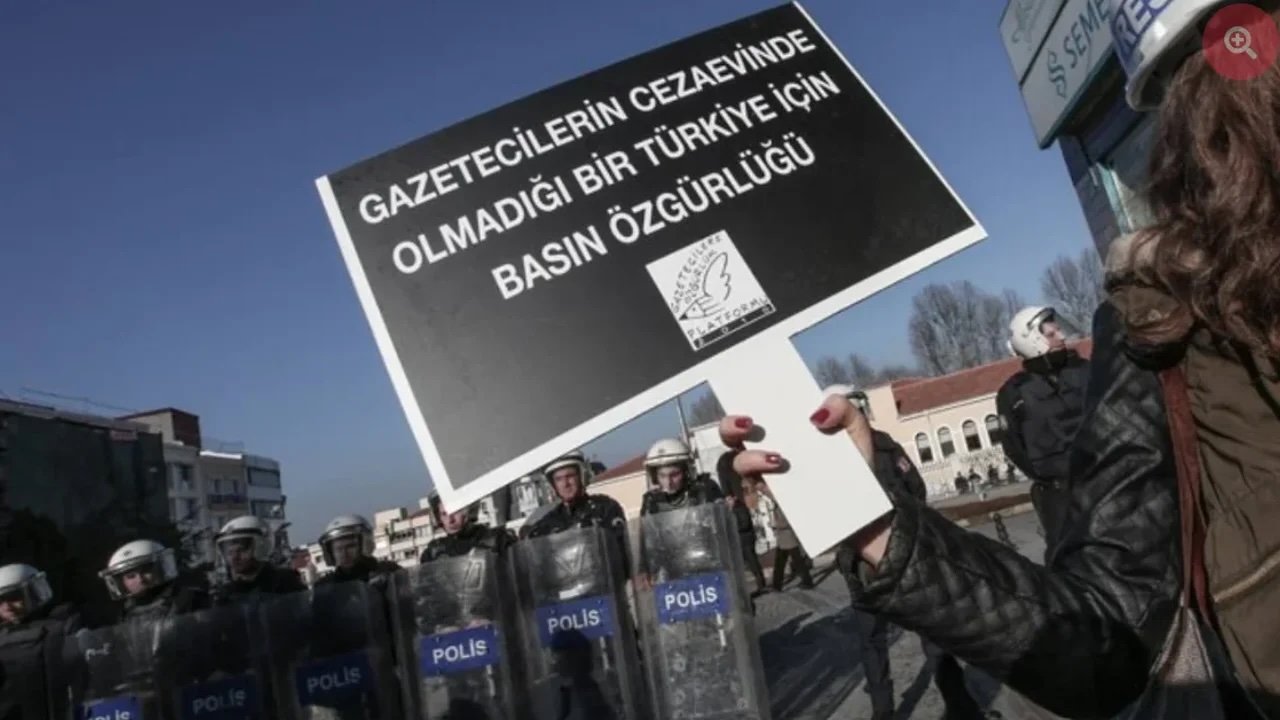
At least 13 journalists and one cartoonist were detained in Turkey in the first three months of 2026, according to a new report that highlights growing pressure on the media through detentions, prosecutions and censorship.
The Media Monitoring Report by the Bianet news website — which regularly tracks press freedom violations — said the detentions were carried out on accusations including insulting the president, spreading “misleading information,” disseminating terrorist propaganda and offenses threatening the public order.
The findings point to a broader pattern in which legal measures, including short-term detentions and pretrial detention, are used in combination, press freedom advocates say, to deter critical reporting.
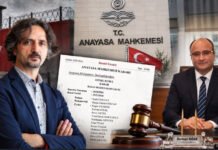
Among the most prominent cases, investigative journalists Alican Uludağ and İsmail Arı were jailed pending trial under Article 217/A of the Turkish Penal Code (TCK), widely known as the “disinformation law.” The provision criminalizes publicly disseminating false information deemed to threaten public order, national security or public health. Critics say its broad language allows authorities to prosecute reporting or commentary they dispute.
Another journalist, Furkan Karabay, was put under house arrest — a measure that restricts movement and effectively prevents on-the-ground reporting — while several others faced travel bans.
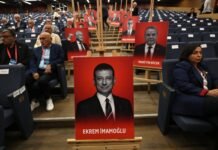
The same law was also cited in investigations imposing restrictions on journalists covering cases linked to the Istanbul Metropolitan Municipality, a key opposition-run city administration that has been at the center of politically sensitive legal proceedings since its mayor, Ekrem İmamoğlu from the main opposition Republican People’s Party (CHP), was arrested last March.
At least one foreign reporter was among those detained. French journalist Raphaël Boukandoura was taken into custody while covering a protest in Istanbul and was later released from a deportation center.
Beyond detentions, the report documented physical attacks and threats against journalists. At least four reporters were assaulted in separate incidents, including local journalist Durmuş Tuna, who was shot and wounded in the leg in the western province of Aydın. At least six others reported threats or online harassment linked to their work.
Dozens of journalists continued to face trial under counterterrorism, defamation and public order laws. At least 17 journalists and cartoonists stood trial in recent months for allegedly insulting President Recep Tayyip Erdoğan under the TCK’s Article 299, which carries prison sentences. According to Bianet’s data, the law has led to more than 80 convictions of journalists during Erdoğan’s presidency.
Financial pressure on the media also increased. At least five journalists and three media organizations faced civil lawsuits seeking a combined 4.65 million Turkish lira in damages. Several plaintiffs are public figures or individuals with close ties to the government, according to the report.
Online censorship remained widespread. Courts and state authorities blocked or ordered the removal of at least 242 news reports during the three-month period, often citing national security or public order concerns.
Regulatory pressure also continued. Media regulator the Radio and Television Supreme Council (RTÜK) imposed fines on television stations and issued warnings related to licensing requirements, measures critics say disproportionately affect outlets seen as critical of the government.
According to Expression Interrupted, a press freedom monitoring group, 26 journalists are currently behind bars in Turkey. Turkey fell to 163rd out of 180 countries in the 2026 World Press Freedom Index published by Reporters Without Borders (RSF) on Thursday, down from 159th in 2025, as the group warned that authoritarianism is deepening and media pluralism is increasingly under threat in the country.