
Turkey’s justice minister said Tuesday that authorities are re-examining previously closed case files, with priority given to unresolved cases that triggered public outrage, Turkish Minute reported.
Justice Minister Akın Gürlek said a special unit at the Justice Ministry is reviewing files that ended in decisions not to prosecute, including unsolved crimes. He said the unit will examine whether investigations were flawed by procedural failures or overlooked evidence.
Gürlek was speaking after a cabinet meeting at the presidential complex in Ankara.
He said cases that attracted significant public attention are being prioritized and that experienced officials will re-evaluate the files.
The announcement fueled debate over whether cases in Turkey receive serious scrutiny only after public pressure.
Gürlek also referred to the case of Gülistan Doku, a university student who disappeared in the eastern province of Tunceli in January 2020. He said the investigation is ongoing and that authorities are trying to determine where her remains may be.
The case has not been solved.
Recent cases have added to concerns about how criminal investigations are handled in Turkey and how media coverage can shape public opinion before courts reach a final ruling.
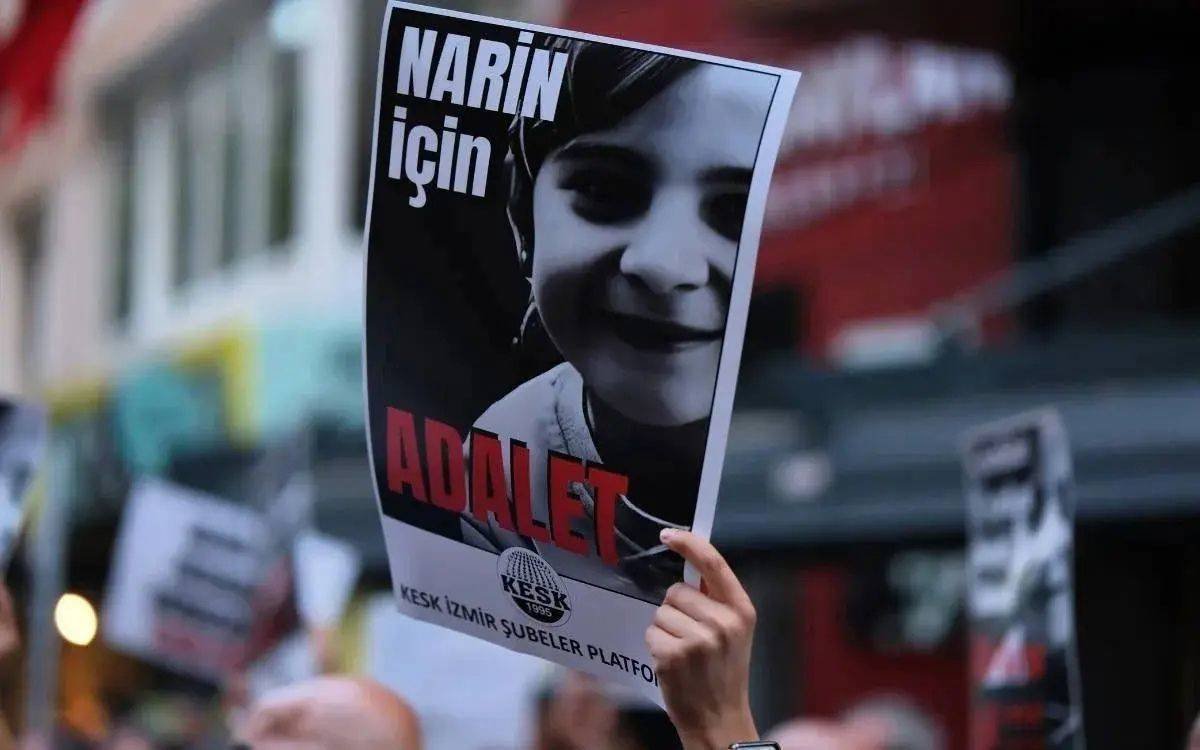
A YouTube documentary released on April 11 by the Turkish digital media outlet 140journos examined the investigation and trial in the killing of a girl named Narin. The documentary, titled “Şeytantepe,” looks at alleged inconsistencies in the case, shifting testimony and the role of media narratives.
The documentary, published 10 days ago, has drawn 1.6 million views on YouTube.
It also examines how public reaction and social media shaped perceptions of suspects before the court process was complete.
The film includes interviews with journalists, legal experts and family members connected to the case.
In December a court in the southeastern province of Diyarbakır sentenced three relatives to aggravated life in prison in the killing of 8-year-old Narin Güran, who had been missing for 19 days before her body was found in a river near her village.
But the court did not establish a clear motive or determine which of the defendants carried out the killing, prompting criticism from legal experts and the public.