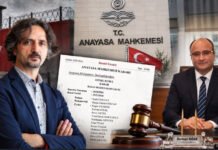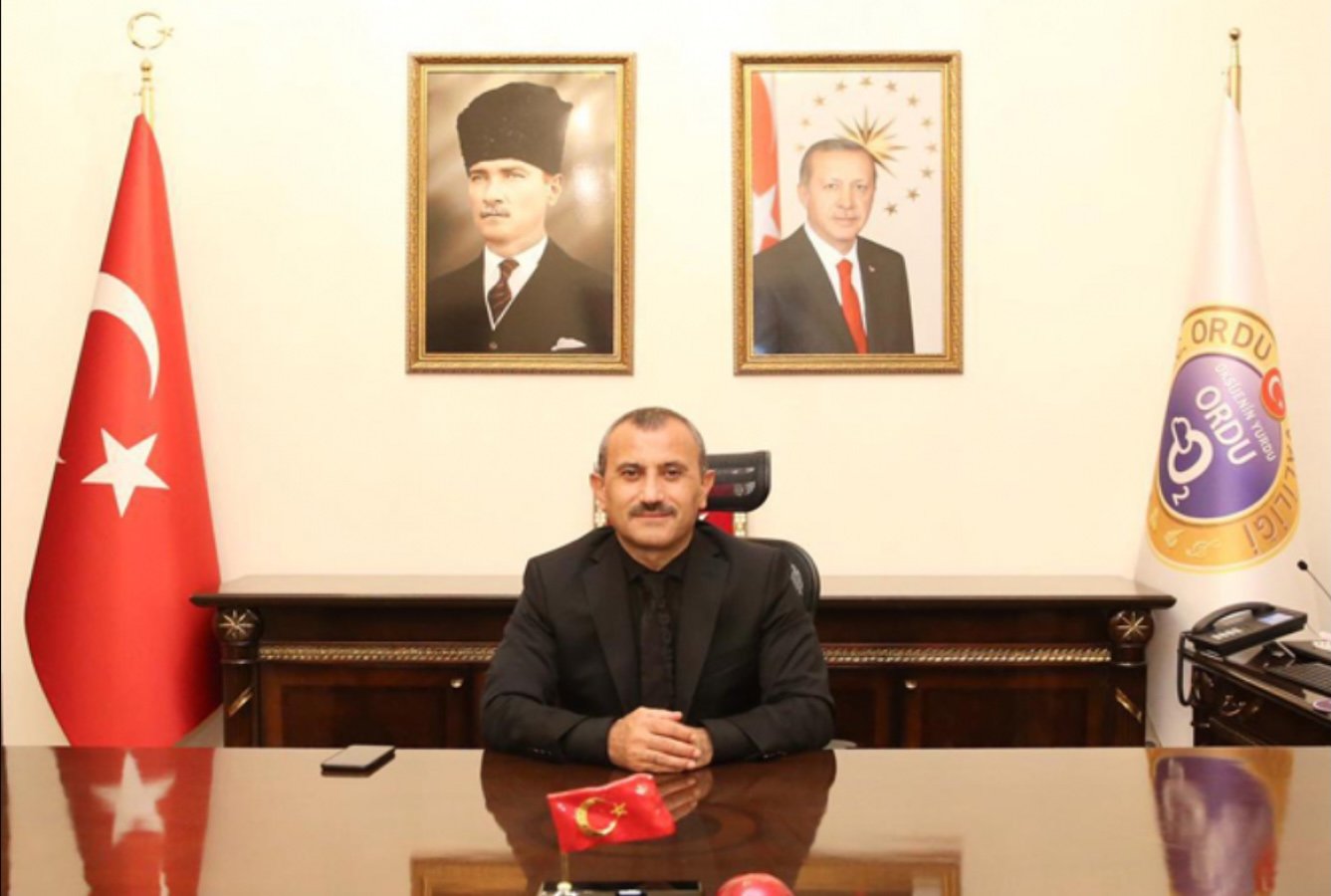
Turkey’s former Tunceli governor Tuncay Sonel was detained Friday in an evidence-tampering investigation linked to the 2020 disappearance of Kurdish university student Gülistan Doku, hours after the Interior Ministry suspended him from his post as a civil inspector, Turkish Minute reported.
Doku, a 21-year-old student, disappeared on January 5, 2020, in the eastern province of Tunceli, where she was attending university.
Sonel was governor of Tunceli at the time of Doku’s disappearance and has been working as a civil inspector at the Interior Ministry for the past three years.
His detention marks a major turn in a case that was stalled for years and criticized by Doku’s family, women’s rights groups and civil society organizations, which have accused the authorities of mishandling evidence and failing to pursue leads.
The Tunceli Chief Public Prosecutor’s Office said there was “sufficient suspicion” that Sonel may have committed the crime of destroying, concealing or altering evidence.
The case against Sonel was referred to the Erzurum Chief Public Prosecutor’s Office, which has jurisdiction over alleged crimes committed by current or former governors.
The investigation gained momentum after former police officer Gökhan Ertok, who was arrested on charges of destroying evidence, applied to benefit from “effective remorse” provisions, a legal mechanism that can reduce penalties for suspects who cooperate with prosecutors.
Ertok previously told prosecutors that a SIM card belonging to Doku had been handed to him by Sonel’s personal security officer and that he deleted WhatsApp messages on Sonel’s instructions.
He also claimed he had received orders to remove critical digital data from Doku’s phone records.
Investigators found communication records and financial transactions between Ertok, Sonel and Sonel’s security officer, Şükrü Eroğlu, according to case documents.
Sonel’s son, Mustafa Türkay Sonel, remains in custody on charges including murder, sexual assault and destruction of evidence, while Eroğlu is also detained.
Seven additional suspects were referred to court Friday after the earlier detention of 13 people as part of the investigation.
Two suspects, including Ertok and Erdoğan Elaldı, a former Tunceli provincial administration employee identified as the last person to have had contact with Doku, have been arrested.
Others were released under judicial supervision, including travel bans.
Justice minister says Doku case part of broader review of unresolved cases
Justice Minister Akın Gürlek said a special team had been formed within the ministry to review the Doku case along with other cases involving women and children that have caused public outrage.
“We have established a team within the Ministry of Justice. Not only the Gülistan Doku file but also the Rabia Naz and Rojin Kabaiş cases are being reviewed,” Gürlek said.
He added that prosecutors would pursue such cases “regardless of where they lead.”
The Rabia Naz case dates to April 2018, when 11-year-old Rabia Naz was found critically injured outside her family’s apartment in the Black Sea province of Giresun shortly after returning home from school.
She later died in a hospital.
Authorities initially ruled her death a suicide, concluding that she had fallen from a height, but her father rejected that finding, saying she had been struck by a vehicle and that the investigation had been mishandled.
The case of Rojin Kabaiş, a 21-year-old university student, has also raised concerns.
Kabaiş went missing in September 2024 after leaving her dormitory in the eastern province of Van, and her body was found 18 days later on the shore of Lake Van, nearly 11 miles away.
An initial autopsy cited asphyxiation as the cause of death and identified DNA traces from two men.
A later forensic report confirmed that the DNA was found on her chest and in her vaginal area, raising suspicions of sexual assault.
The Doku, Rabia Naz and Kabaiş cases have attracted criticism over investigative failures and fueled calls for accountability in cases involving women and children.
Long-running case under scrutiny
Doku was last seen after an argument with her boyfriend, and surveillance footage later showed her sitting on a bridge over a reservoir.
Prosecutors initially considered the possibility that she had died by suicide after she was seen near the reservoir, but her body was never found.
Her family rejected the suicide theory and filed complaints, saying the investigation had failed to determine what happened to her.
The Tunceli Chief Public Prosecutor’s Office later said there was no indication that anyone had jumped into the reservoir at the time Doku was believed to have been on the bridge, raising further questions about the initial handling of the case.
The Justice for Gülistan Committee, a civil society group monitoring the case, has said key testimony was mishandled and evidence may have been overlooked.
The group has also pointed to inconsistencies in witness statements and police records.
Sonel’s detention, the arrest of several suspects and Ertok’s bid to cooperate with prosecutors mark the most significant progress in the case in years.