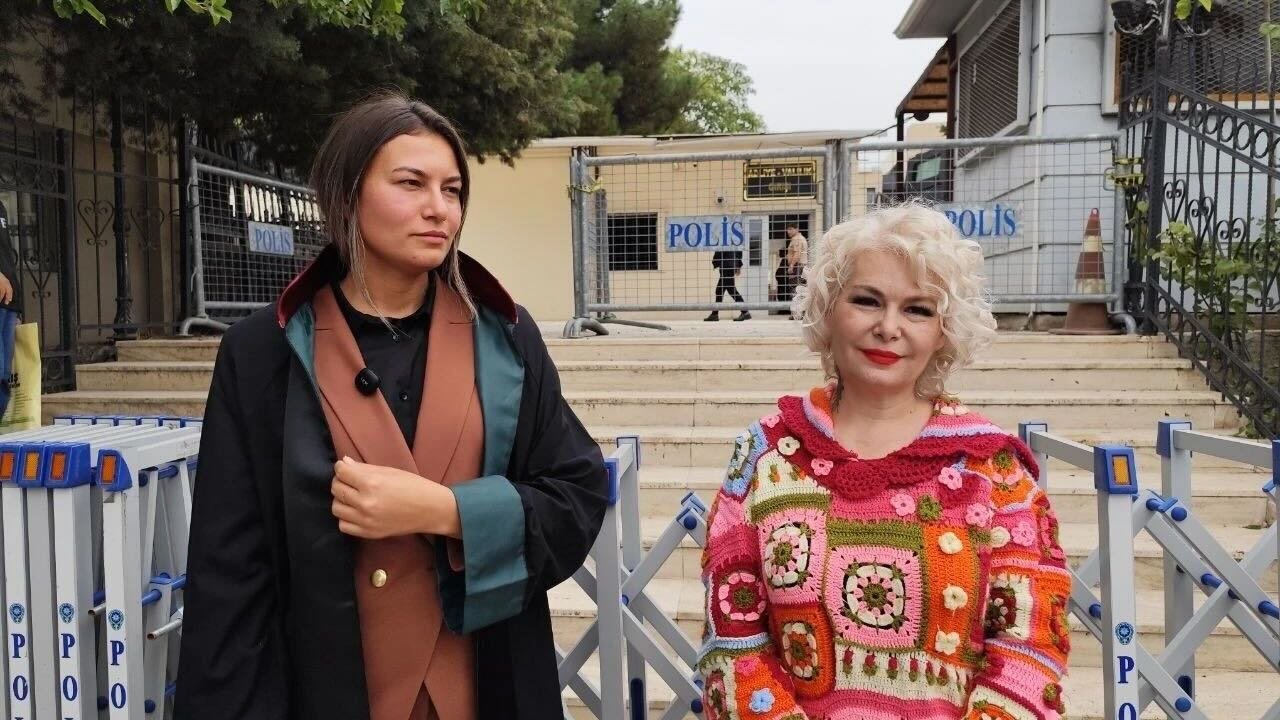
A Turkish court on Tuesday sentenced a woman known as the “Marilyn Monroe of Mardin” to 15 months in prison over social media posts questioning the official account of a coup attempt on July 15, 2016, the DHA news agency reported.
Melek Karahan, 50, was convicted of publicly disseminating misleading information by the Mardin 3rd Criminal Court of First Instance. Her lawyer, Elif Narin Dursun, said the defense will appeal, arguing that Karahan had exercised her right to freedom of expression.
Karahan attended the sentencing hearing after being released pending trial on September 22.
DHA did not report an order returning her to jail or specify whether the sentence was suspended.
The case involves Turkey’s controversial disinformation law, introduced in 2022, which press freedom groups say enables prosecutors to criminalize criticism of the government.
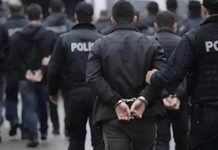
Karahan, identified as Melek Akarmut in earlier reports, was jailed pending trial in July after police investigated her posts about the coup attempt.
One Instagram post questioned the whereabouts of parliament’s report on the attempted coup and expressed skepticism about the official account of events.
Karahan denied the charge at Tuesday’s hearing and sought her acquittal. Speaking afterward, she said she had not shared the post with the intention of committing a crime and pointed to her work helping stray animals and improving the local environment.
She became known locally for her resemblance to the American film star, with blond hair, makeup and clothing inspired by Monroe. Originally from Afyonkarahisar in western Turkey, she moved to Mardin more than a decade ago and sold soap and cologne to support stray animals.
Article 217/A of the Turkish Penal Code carries prison sentences of one to three years for publicly spreading false information concerning security, public order or public health with the sole intention of creating anxiety, fear or panic, in a manner capable of disturbing public peace.
The Committee to Protect Journalists on Monday called for the provision to be repealed, saying it was being used to suppress independent reporting.
The coup attempt killed 251 people and wounded more than 2,000. Many military personnel later testified that they had reported to their units after receiving warnings of a possible terrorist attack and were unaware they were being drawn into the coup attempt. President Recep Tayyip Erdoğan accused the faith-based Gülen movement of orchestrating the coup, an accusation the movement strongly denies. A decade later, key aspects of the coup, including its operational planning and chain of command, remain unresolved.
The government has also prosecuted journalists, academics, politicians and social media users for challenging its account of the coup or questioning the conduct of officials before, during and after the events.
The parliamentary commission established to investigate the coup concluded its hearings in late 2016 and released a draft report in May 2017, but the final report was never formally published or debated by parliament.
The inquiry has faced persistent criticism for failing to hear key figures in person, including then-chief of General Staff Gen. Hulusi Akar and then-intelligence chief Hakan Fidan, or to fully examine unresolved allegations.
Critics say parliament therefore failed to conduct a comprehensive inquiry capable of answering outstanding questions about the coup attempt.
This article is republished from Turkish Minute.