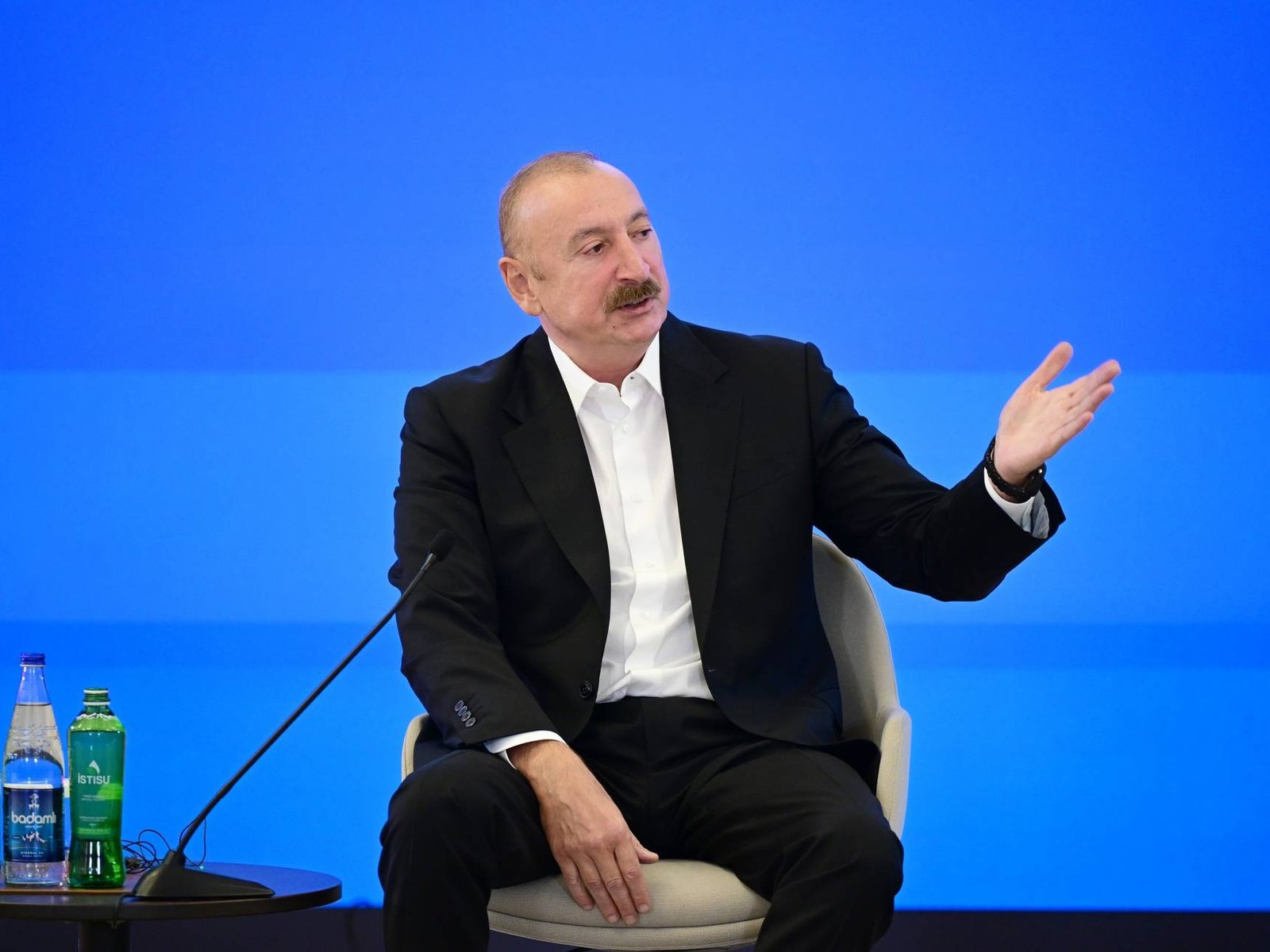
A Turkish human rights group has condemned the detention of three people accused of insulting Azerbaijani President Ilham Aliyev during a protest against headscarf restrictions in Azerbaijani schools, calling the police action unlawful.
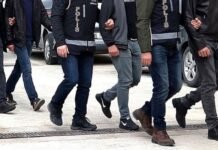
The Human Rights and Solidarity Association for the Oppressed (MAZLUMDER) said Thursday that Yağmur Karagöz and Emine Silek, members of its Human Rights Violations Committee, and Buse Nur Yastaş were detained over a placard displayed at a November 8 demonstration in İstanbul’s Saraçhane neighborhood.
All three were released after questioning. Lawyers were prevented from meeting with them in custody, according to the group.
MAZLUMDER challenged the legal basis for the detentions, arguing that the alleged offense required a complaint and qualified for a statutory procedure allowing suspects to avoid trial by paying a prescribed sum to the state.
No complaint was on file in the Saraçhane case, it added, making even the initiation of an investigation unlawful in its assessment.
“Judicial authorities in Turkey cannot be turned into an instrument for silencing reactions directed at another state,” the group said, accusing the authorities of intimidating citizens in response to Azerbaijan’s objections.
The detentions follow similar action against two representatives of the Islamist Köklü Değişim media outlet over criticism of the restrictions.
The outlet’s İstanbul representative, Muhammed Emin Yıldırım, was detained in late October and questioned on suspicion of insulting a foreign head of state after calling Aliyev a “tyrant” on social media and a “dictator” during a protest. Its Hatay representative, Ahmet Sapa, was detained at his home the following day over social media posts.
The controversy was sparked after Azerbaijan amended its school uniform rules on September 21 to prohibit clothing considered incompatible with prescribed uniforms or the secular principles of education. Although the rules do not explicitly mention headscarves, some schools have used them to turn away girls wearing them. Teachers have also faced restrictions.
Criticism from Turkish politicians and religious figures drew a sharp response from Baku. Aliyev’s ruling New Azerbaijan Party accused Turkish political figures of interfering in the country’s domestic affairs, while Azerbaijani authorities barred 31 Turkish nationals from entering the country and issued arrest warrants for seven Turkish nationals over social media posts and protest speeches.
Middle East Eye reported in October that Baku had asked Ankara to dismiss presidential chief adviser Oktay Saral, prosecute commentators accused of insulting Aliyev and block social media accounts identified by Azerbaijani officials.
Saral, who had called the headscarf restrictions unacceptable and urged their reversal, resigned on October 26 after saying President Recep Tayyip Erdoğan had ordered his departure.
Erdoğan and Aliyev pledged to preserve their alliance during a November 8 visit by Erdoğan to Azerbaijan, presenting a united front after weeks of friction. Aliyev subsequently attended the COP31 climate leaders’ summit in Antalya on November 11, where Erdoğan and UN Secretary-General António Guterres welcomed him.
The two countries maintain close political, military and economic ties, traditionally describing their relationship as “one nation, two states.”