A Turkish civil servant dismissed by an emergency decree after a coup attempt in 2016 and later sentenced to prison was hospitalized after attempting suicide in jail, with an opposition lawmaker saying he had been unable to access prescribed medication for depression.
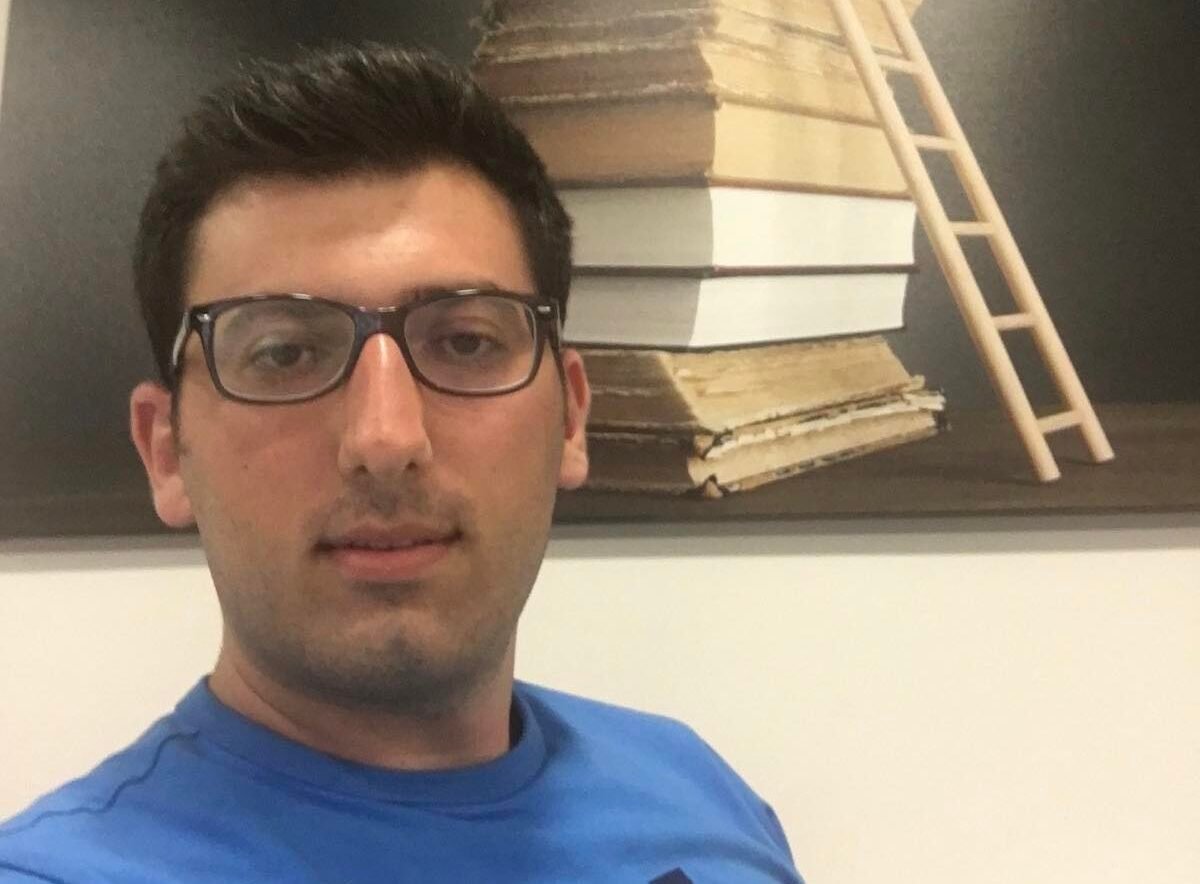
İdris Ekinci attempted to take his own life in Sakarya L Type Prison, according to statements shared by lawmaker Ömer Faruk Gergerlioğlu. He was taken to a hospital after the incident and remains under treatment.
Gergerlioğlu, a member of the pro-Kurdish Peoples’ Equality and Democracy Party (DEM Party), said Ekinci had been unable to obtain medication prescribed for depression while in prison, worsening his psychological condition. “Suicide attempts in prisons are not stopping,” he said, questioning why an inmate in such a condition remained incarcerated.
Rights groups have repeatedly reported delays and gaps in access to healthcare in Turkish prisons. Prisoners often face long waits for hospital referrals, difficulties in obtaining specialist consultations and interruptions in prescribed medication due to administrative procedures or security restrictions.
Ekinci was among tens of thousands of public servants dismissed under decree laws issued during Turkey’s state of emergency declared after the failed coup in July 2016.
The Turkish government blames the coup attempt on the faith-based Gülen movement, inspired by US-based cleric Fethullah Gülen, who died in 2024, and has since carried out a sweeping purge of state institutions.
More than 130,000 public servants were dismissed through emergency decrees during the state of emergency, which remained in force until July 2018, often over alleged links to terrorist organizations without individualized court rulings. Most were accused of ties to the Gülen movement, although some faced allegations related to left-wing or Kurdish groups.
The specific grounds for Ekinci’s dismissal or whether he was accused of links to the Gülen movement were not clear.