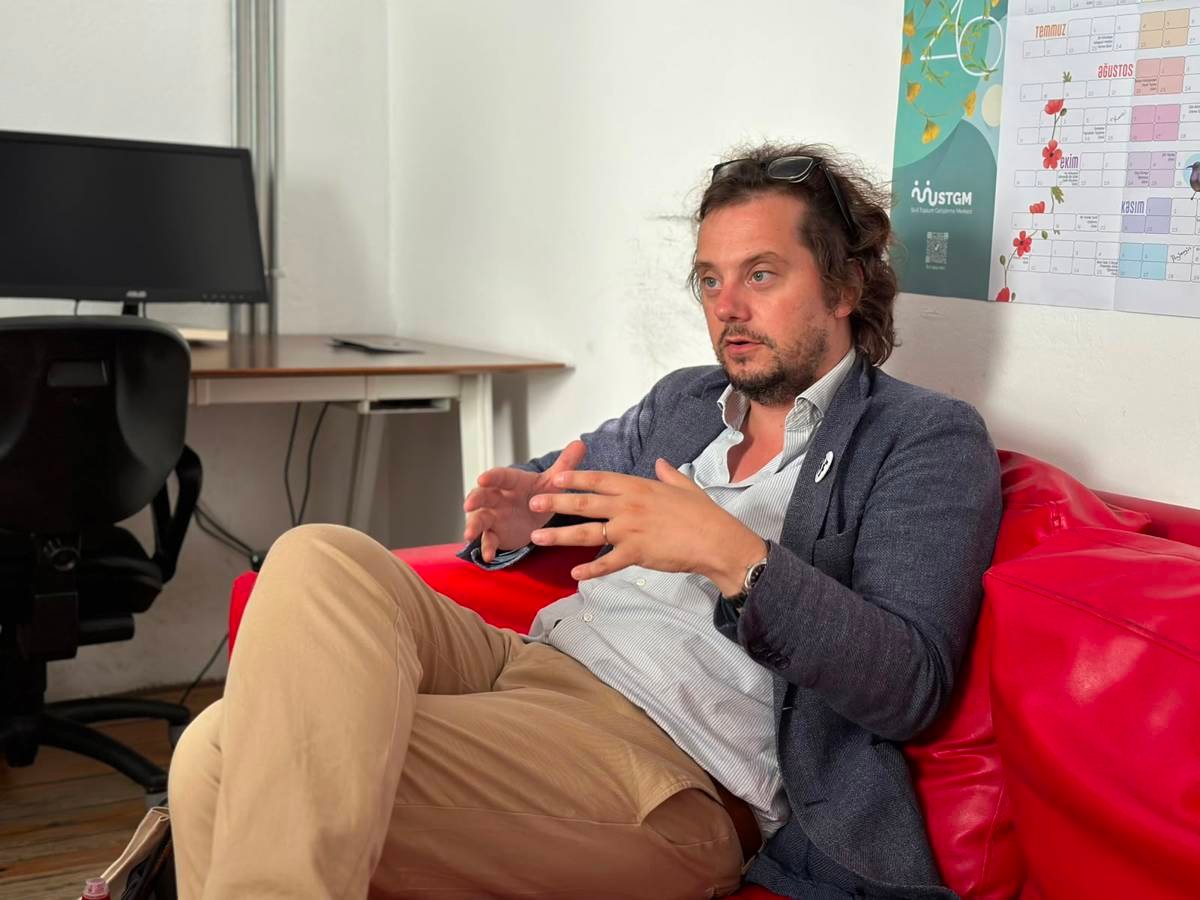
Turkey has become a testing ground for tactics used to suppress independent journalism, with some methods later copied by other governments, the head of Reporters Without Borders (RSF) said in an interview with the Turkish independent news outlet Bianet.
Thibaut Bruttin, secretary-general of the Paris-based press freedom group, said pressure tactics long used in Turkey — including hostile takeovers of media outlets, public campaigns to discredit journalists, preventive detentions and prolonged court cases — have helped shape a broader playbook for restricting press freedom.
Bruttin said Turkey’s decline in RSF’s World Press Freedom Index reflected a broader collapse in protections for journalism. Turkey was ranked 163rd out of 180 countries in the 2026 index, down from 99th in 2002.
“We are very worried,” Bruttin said, arguing that Turkey performs poorly across RSF’s indicators, which include the political, legal, economic, social and security conditions for journalism.
Bruttin attributed Turkey’s decline to the policies of the government of President Recep Tayyip Erdoğan.
Turkish officials have previously accused RSF of political bias. Bruttin rejected the criticism, saying the organization’s methodology is clear and that the government could improve Turkey’s ranking by changing its policies.
“If they want better results, we can explain how to get them: Don’t jail journalists. Don’t encourage hostile takeovers of media. Don’t discredit journalists,” he said.
Bruttin said Turkey had become an early example of how governments can weaken the media without relying only on direct censorship. He cited the takeover or transformation of established media brands, the use of political rhetoric to smear journalists and legal pressure designed to keep reporters under constant threat.
He said these methods were seen in Turkey before appearing in some other countries.
Bruttin also criticized what he described as Turkey’s use of preventive detentions and judicial harassment of journalists. Under that pattern, he said, journalists may be detained, brought before courts, released under judicial supervisionand then kept under pressure through repeated hearings and long-running trials.
He cited the case of RSF’s Turkey representative, Erol Önderoğlu, who has faced prosecution for years. Rights groups have described the case as part of a broader effort to intimidate journalists and media freedom defenders.
“The use of baseless cases as a weapon is enough to pressure people,” Bruttin said.
Bruttin said imprisonment is only one part of the pressure on Turkish journalists. Legal harassment, repeated hearings and the threat of renewed detention can also weigh heavily on reporters’ lives and work, he said.
He also criticized NATO over accreditation restrictions ahead of a summit in Ankara, saying the alliance had failed to provide access to a broad range of Turkish media outlets and had effectively accepted the Turkish government’s restrictive approach to the press.
Bruttin said the Erdoğan government’s distinctive method is not only to jail journalists but to detain them preventively, release them under restrictions and leave them entangled in the justice system.
“This is being used under Erdoğan and is not really seen in the same way elsewhere in the world,” he said.
The interview came as Turkey’s independent media continued to face court cases, regulatory pressure, online access blocks and ownership structures that critics say favor pro-government outlets.
Bruttin said Turkey’s media environment had changed sharply since his last visit a decade ago. He said Erdoğan’s control had tightened and self-censorship among journalists had increased.
Still, he praised the resilience of journalists in Turkey, saying independent reporters had continued to perform a vital public role despite severe pressure.
Bruttin said Turkey had personal significance for him because his early years at RSF coincided with a major crackdown on Turkish journalists. He said he worked on campaigns for Cumhuriyet journalists Can Dündar and Erdem Gül after they were arrested over their reporting, as well as on cases involving detained French journalists and Önderoğlu.
He said returning to Turkey after 10 years brought back memories of that period, which included the sweeping crackdown that followed a failed coup in 2016.
Despite the pressure, Bruttin said Turkish journalists had continued to defend public-interest reporting.