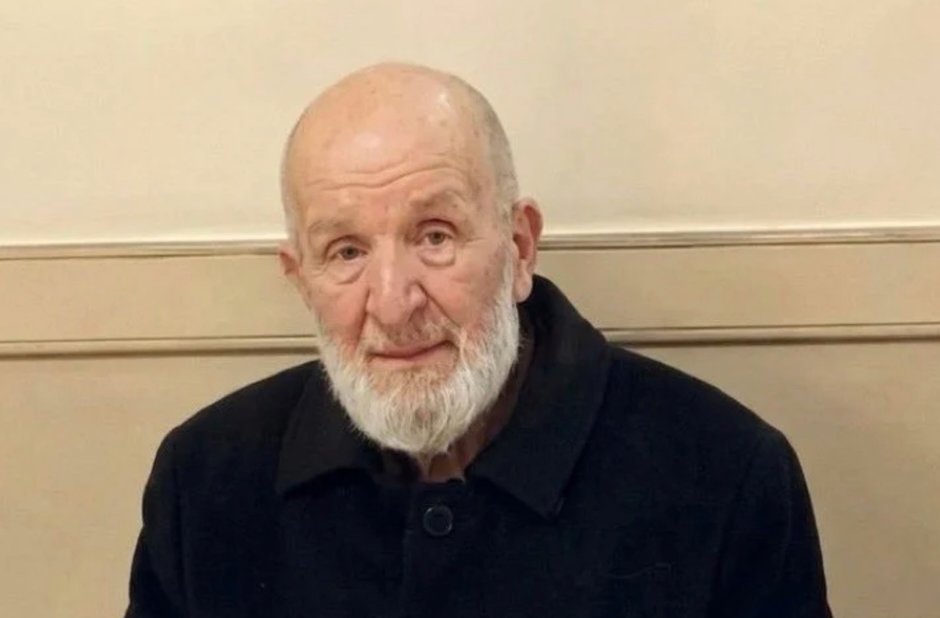
A Turkish hospital has for the second time found that a seriously ill 73-year-old prisoner who was convicted over alleged links to the faith-based Gülen movement can remain behind bars, despite documenting serious health problems that limit his ability to walk, use his hands and live independently in prison.
According to the TR724 news website, a health board at the Tekirdağ Dr. İsmail Fehmi Cumalıoğlu City Hospital issued a report on June 30 that said Abdullah Tırpan suffers from multiple chronic and acute conditions, including diabetes, hypertension, neuropathy and vision problems. The board said he is able to carry out daily activities without assistance and that there is no medical necessity to suspend his sentence.
The same hospital had issued an earlier report dated May 7 that also listed chronic conditions, including Type 2 diabetes, hypertension, diabetes-related nerve damage and vision problems, but concluded that Tırpan did not need his sentence suspended on health grounds.
Turkey’s Council of Forensic Medicine (ATK) also previously ruled on December 17, 2025, that Tırpan was fit to remain in prison, rejecting a request to suspend his sentence on grounds of health.
Under Turkey’s Law on the Execution of Sentences and Security Measures, courts may suspend the sentence of a prisoner who, due to a serious illness or disability, cannot sustain life in prison conditions and who is not considered a serious or concrete danger to society. Rights groups say the provision is very rarely applied in practice.
Tırpan, a former merchant from Tekirdağ, was first detained on August 16, 2016, during a crackdown that followed a failed coup a month earlier and spent some 19 months in pretrial detention before being sentenced by the Tekirdağ 3rd High Criminal Court. He was released pending appeal and re-arrested on February 25, 2025, after Turkey’s Supreme Court of Appeals upheld his seven-and-a-half-year sentence. Tırpan has been unable to speak since February 12 of this year.
Turkish President Recep Tayyip Erdoğan has targeted followers of the Gülen movement, inspired by the late Muslim cleric Fethullah Gülen, since corruption investigations in December 2013 implicated him as well as some members of his family and inner circle. He dismissed the probes as a Gülenist conspiracy and later designated the movement as a terrorist organization in May 2016, intensifying a sweeping crackdown after the coup attempt in July of the same year that he accused Gülen of orchestrating. The movement denies involvement in the attempted coup or any terrorist activity.
His health has deteriorated in custody, according to his family and rights advocates. Opposition lawmaker Ömer Faruk Gergerlioğlu previously said Tırpan had been taken to the hospital dozens of times and had lost consciousness in his cell. His relatives said he was hospitalized after fainting in November 2025 and feared he could die in prison.
MAZLUMDER, a Turkish human rights group, asked the Justice Ministry in late June to suspend Tırpan’s sentence and clarify whether he was receiving adequate care and a medically appropriate diet in prison.
Rights advocates and relatives of seriously ill prisoners in Turkey have long criticized the country’s prison medical review system, saying inmates with severe or worsening conditions are often kept behind bars despite medical findings showing they may be unable to manage prison life.