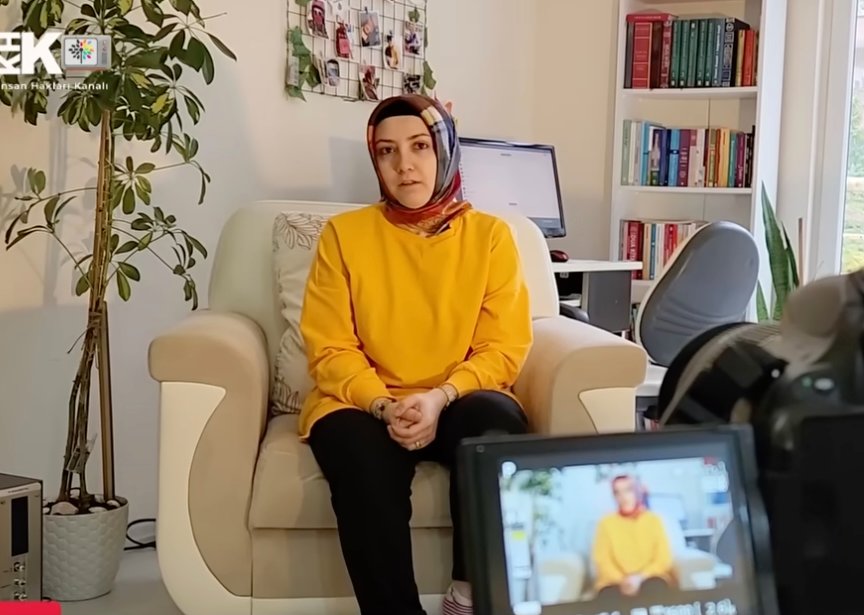
The wife of a teacher dismissed by an emergency decree after a failed coup in Turkey in 2016 has described years of economic hardship, social exclusion and family estrangement after her husband was removed from his job and later imprisoned over alleged links to the faith-based Gülen movement.
In an interview on KHK TV, a YouTube channel dedicated to the stories of people dismissed by emergency decrees, Ümmühan Dal said the most painful part of the ordeal was her father’s role in the couple’s detention, which took place months after her husband’s dismissal. She said he personally led police officers to them and used his vehicle to block their path during the operation.
“Even though he knew we were innocent, he did not protect us. He could have said, ‘My daughter would never do such a thing,’ but he didn’t,” Dal said, adding that her father never contacted them during her husband’s imprisonment. “The day I was detained was the day I lost my father,” she said.
Dal said the family’s difficulties began after her husband, then serving as acting principal of a village school in the eastern province of Muş, was dismissed by an emergency decree. With no regular income, the couple moved to the Bafra district of Samsun province, where they hoped living costs would be lower.
During the 11 months between her husband’s dismissal and the couple’s detention, Dal said they struggled to make ends meet, working temporary jobs at a gift shop and other businesses. She later worked as a cashier at a pastry shop and sold paintings on the street to support the family.
Turkish President Recep Tayyip Erdoğan has targeted followers of the Gülen movement, inspired by the late Muslim cleric Fethullah Gülen, since corruption investigations in December 2013 implicated him as well as some members of his family and inner circle. He dismissed the probes as a Gülenist conspiracy and later designated the movement as a terrorist organization in May 2016, intensifying a sweeping crackdown after the coup attempt in July of the same year that he accused Gülen of orchestrating. The movement denies involvement in the coup attempt or any terrorist activity.
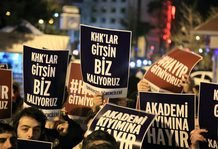
Following the failed coup, the Turkish government declared a state of emergency (OHAL) that remained in effect until July 19, 2018. During this period, the government carried out a purge of state institutions under the pretext of an anti-coup fight by issuing a number of government decrees, known as KHKs. Over 130,000 public servants, including 4,156 judges and prosecutors, as well as more than 24,000 members of the armed forces were summarily removed from their jobs for alleged membership in or relationships with “terrorist organizations” by emergency decree-laws subject to neither judicial nor parliamentary scrutiny.
Dal recalled she later found work at a medical company under a six-month contract, but her employment was terminated after only two months because of security concerns linked to her husband’s dismissal. She said she was also asked to repay the wages she had already received.
Dal was also discouraged from applying for substitute teaching positions after officials told her that her husband’s case would hurt her chances of being hired.
Former public servants were not only fired from their jobs but also banned from working again in the public sector and getting a passport to seek employment abroad. The government also made it difficult for them to work formally in the private sector. Notes were put on the social security database about dismissed public servants to deter potential employers.
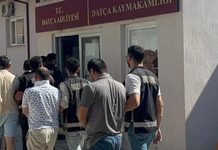
The couple was eventually detained. She was later released from pretrial detention and then acquitted, while her husband remained in prison for three years, leaving her to care for their 2-year-old daughter alone.
Facing financial difficulties and social stigma, Dal said she realized she had to find a way to support her family. She began selling spices and local food products, delivering orders by bicycle.
A leather wallet she bought as a gift for her husband from another dismissed civil servant inspired her to enter the leather goods business. She eventually founded EcoCraft, a brand that sells handcrafted personalized leather bags and wallets through e-commerce platforms and social media.
Reflecting on the years after her husband’s dismissal, Dal said the experience had made her stronger and pointed to the support of friends as one of the main reasons she was able to endure the period.
“One of my biggest dreams is to reach a point where I can touch other people’s lives, just as others touched mine and guided me when I needed it most,” she said.
Dal said an overwhelming majority of those affected by Turkey’s post-coup purge came from modest backgrounds and had built their lives through years of hard work.
“Nothing was handed to these people on a silver platter,” she said. “They worked for everything they had. I believe better days lie ahead.”