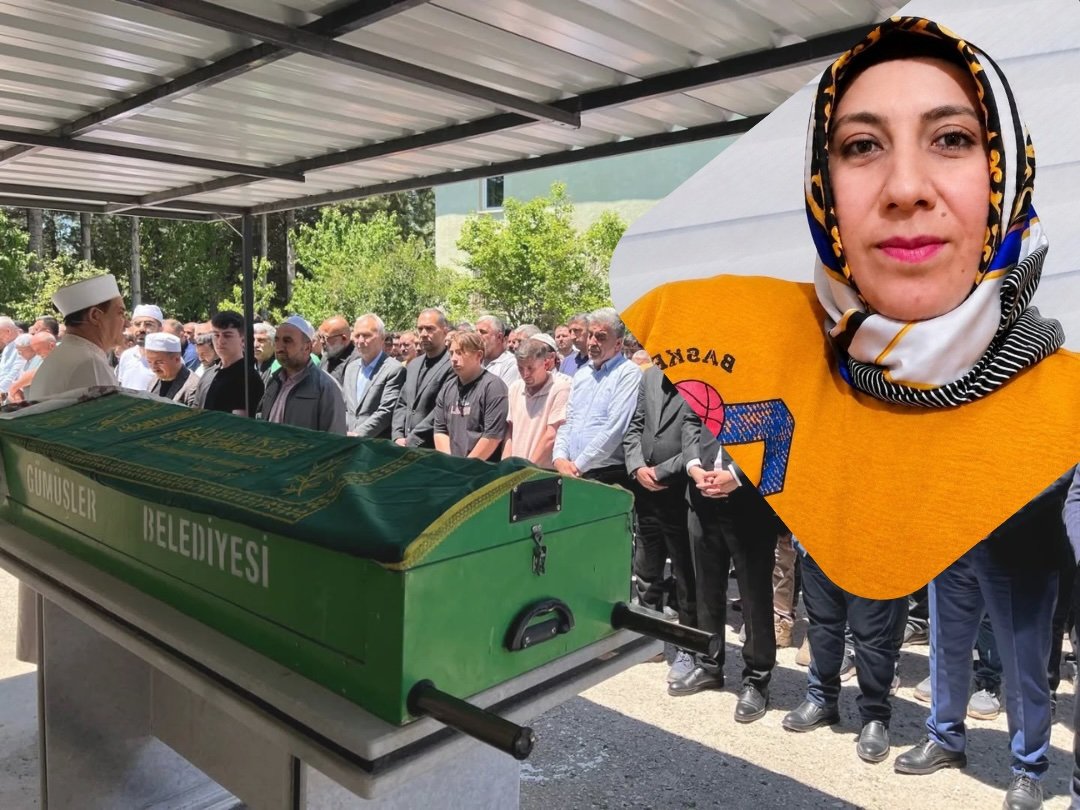
The wife of a former teacher dismissed by an emergency decree over alleged links to the faith-based Gülen movement died on Saturday while trying to save her two children from floodwaters in central Turkey, the TR724 news website reported.
Sebiha Dinçer, 41, lost her life after torrential rain and hail triggered flooding in the town of Gümüşler in Niğde province. Dinçer realized that rising floodwaters had surrounded the family home and rushed to move her two children to safety. She was swept away by the current during the rescue attempt and died.
The children were later rescued by emergency responders and local residents and were reported to be in good health.
Her husband, Adem Dinçer, was among tens of thousands of public servants dismissed from their jobs under emergency decrees issued after a coup attempt in Turkey in 2016. It is not known whether authorities had pursued any criminal proceedings against him beyond his dismissal from public service, or how he has made a living since then.
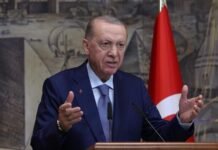
Turkish President Recep Tayyip Erdoğan has targeted followers of the Gülen movement, inspired by the US-based cleric Fethullah Gülen, who died in 2024, since corruption investigations in December 2013 implicated him as well as some members of his family and inner circle. He dismissed the probes as a Gülenist conspiracy and later designated the movement as a terrorist organization in May 2016, intensifying a sweeping crackdown after a coup attempt in July of the same year that he accused Gülen of orchestrating. The movement denies involvement in the coup attempt or any terrorist activity.
Journalist Ahmet Erkan, a founder and editor of KHK TV, a platform that covers the stories of people dismissed by emergency decrees, announced Dinçer’s death in a social media post.
Hundreds of people attended Dinçer’s funeral on June 7, including Niğde Governor Nedim Aktaş, ruling Justice and Development Party (AKP) lawmaker Cevahir Uzkurt, Nationalist Movement Party (MHP) lawmaker Cumali İnce and local AKP chairman Hacı Mehmet Eren.
Following the coup attempt, the Turkish government declared a state of emergency that remained in effect until July 19, 2018. During this period, the government carried out a purge of state institutions under the pretext of an anti-coup fight by issuing a number of government decrees.
Over 130,000 public servants, including 4,156 judges and prosecutors, as well as more than 24,000 members of the armed forces were summarily removed from their jobs for alleged membership in or relationships with “terrorist organizations” by emergency decree-laws subject to neither judicial nor parliamentary scrutiny.