The wife of a police officer dismissed as part of Turkey’s post-2016 coup purge has described years of raising three children alone while facing poverty, social isolation and family estrangement.
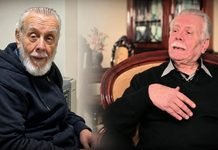
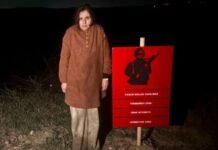
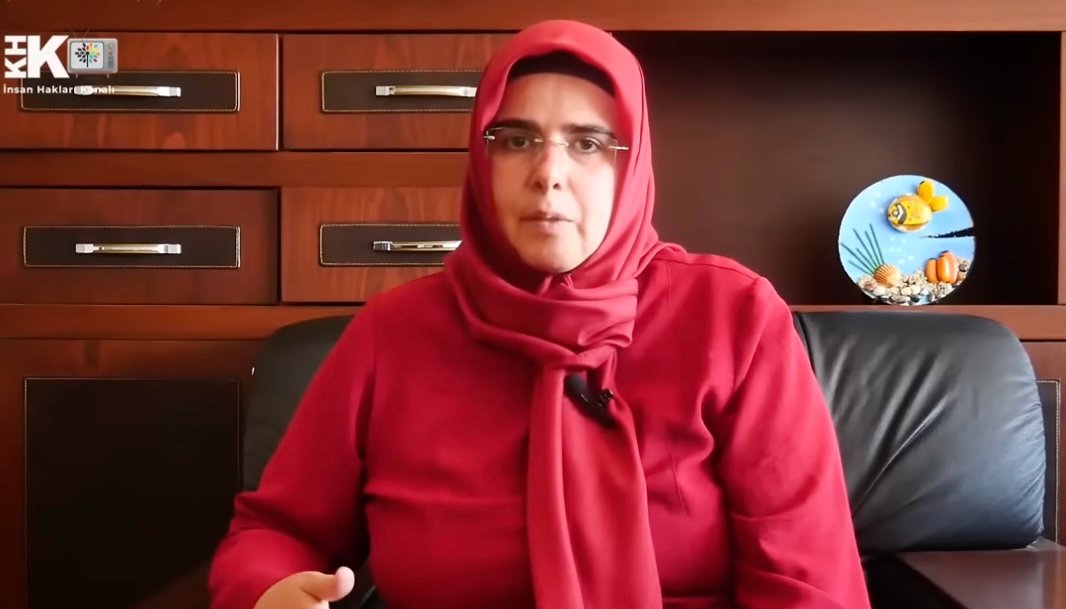
In an interview on KHK TV, a YouTube channel that features the stories of people dismissed by emergency decrees, Ayşe Sağlam described what she called a ”civil death” that began with her husband’s dismissal over alleged links to the faith-based Gülen movement and deepened after he was forced into hiding in 2019.
“The biggest difficulty was loneliness,” Sağlam said, as both her husband’s family and her own distanced themselves after the dismissal. Her mother told the family to leave the village before sunrise after learning of the dismissal.
The estrangement continued for years while relatives repeatedly questioned why her husband had not been reinstated if he was innocent.
Sağlam said the pressure on her family began after December 2013 corruption investigations.
Turkish President Recep Tayyip Erdoğan has targeted followers of the Gülen movement, inspired by the late Muslim cleric Fethullah Gülen, since corruption investigations in December 2013 implicated him as well as some members of his family and inner circle. He dismissed the probes as a Gülenist conspiracy and later designated the movement as a terrorist organization in May 2016, intensifying a sweeping crackdown after the coup attempt in July of the same year that he accused Gülen of orchestrating. The movement denies involvement in the coup attempt or any terrorist activity.
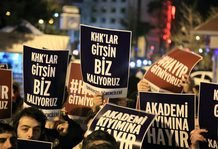
Following the failed coup, the Turkish government declared a state of emergency (OHAL) that remained in effect until July 19, 2018. During this period, the government carried out a purge of state institutions under the pretext of an anti-coup fight by issuing a number of government decrees, known as KHKs. Over 130,000 public servants, including 4,156 judges and prosecutors, as well as more than 24,000 members of the armed forces were summarily removed from their jobs for alleged membership in or relationships with “terrorist organizations” by emergency decree-laws subject to neither judicial nor parliamentary scrutiny.
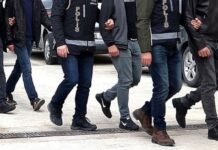
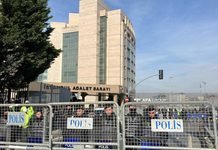
Following his dismissal in 2016, her husband worked as a courier for minimum wage. He was later summoned for questioning and when he did not appear, a detention warrant was issued, forcing him into hiding. Because police were searching for him, the couple’s three children could see their father only in secret meetings at a park.
One of the family’s most immediate problems was housing after they were ordered to leave government-provided accommodation following the dismissal. Sağlam said friends and relatives afraid of the crackdown refused to help despite repeated requests, while landlords frequently turned them away once they learned her husband’s dismissal.
After months of unsuccessful searching, she eventually told a landlord that her husband was still an active-duty police officer. Five years later, when residents learned the truth, the family faced pressure and intimidation aimed at forcing them out. Apartment staff monitored their movements, she said, even following her onto the metro to discover her husband’s whereabouts.
Financial hardship extended to healthcare. Having lost access to social security after the dismissal, Sağlam said she went five-and-a-half years without dental treatment. Even dental fillings for her children were delayed.
To support the family, she worked various jobs, including dishwashing, and currently works as a babysitter. She now openly tells employers that she is the wife of a dismissed police officer, adding that some families are shocked to learn people have been imprisoned for employing families like hers.
The impact on the children was severe, she said. They had encounters with police searching for their father and they spent Eid holidays alone without relatives visiting. They became withdrawn, lost their enthusiasm for life and avoided parks and friends. They also feared being asked at school about their father’s occupation.
Sağlam said she found support among others dismissed under emergency decrees. “Actually, there are millions of us,” she said, adding that those once close to them became distant, while strangers became closer. She advised others in similar situations to stand on their own feet, not wait for help, and draw strength from within to withstand psychological pressure.
She described the emergency decrees as a form of persecution that should be reversed and said she remains convinced those affected will eventually be vindicated.
“Sooner or later our innocence will be revealed,” she said.
Expressing hope that women and children affected by the post-coup purge would one day have their rights restored, she added: “The lost years and the psychological harm suffered by women and children can never truly be compensated.”