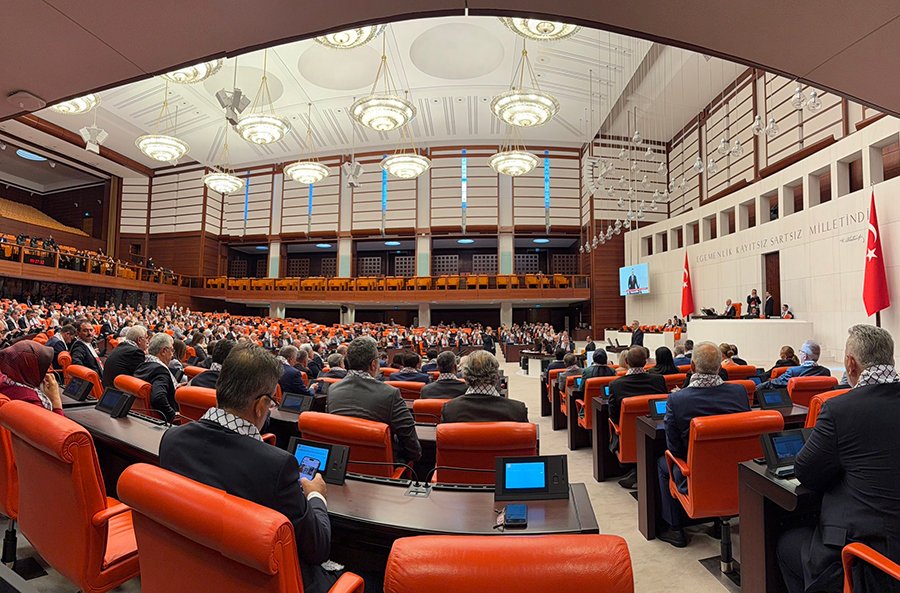
Turkish lawmakers on Monday began debating a bill that would suspend prosecutions and prison sentences for some members of the outlawed Kurdistan Workers’ Party (PKK) who lay down their weapons, marking the first legislative step in a process aimed at ending more than four decades of conflict.
The bill was expected to pass later Monday. It would allow some PKK members to return to civilian life under certain conditions but would not provide a general amnesty.
The debate comes nearly two years after Turkey’s government opened talks with jailed PKK leader Abdullah Öcalan. The PKK launched an armed campaign against the Turkish state in 1984.
Under the proposal, prosecutions and prison sentences for some offenses would be suspended for periods ranging from five to 10 years. Investigations would be dropped and sentences considered served if those covered did not reoffend during that period.
People convicted of offenses including intentional homicide would remain outside the measure. Pro-government media outlets have argued that the exclusion should apply to Öcalan, 77, who is serving a life sentence and has been imprisoned on İmralı Island since 1999.
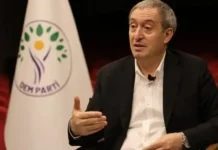
The bill has the support of President Recep Tayyip Erdoğan’s ruling Justice and Development Party (AKP) and the pro-Kurdish Peoples’ Equality and Democracy Party (DEM Party).
Öcalan called on the PKK last year to dissolve and lay down its weapons. The group later announced that it would comply, and its members began destroying weapons at a ceremony in July 2025.
The PKK criticized the bill on Sunday, describing it as containing “serious errors and shortcomings” and warning that many provisions would remain a “dead letter” unless Öcalan was released.
“The recommendations … regarding democratization and the resolution of the Kurdish issue have not been taken into account,” the PKK leadership said.
“The fact it refers only to disarmament without using the term ‘Kurdish’ shows the issue has not been addressed in its entirety,” it added.
This article is republished from Turkish Minute.