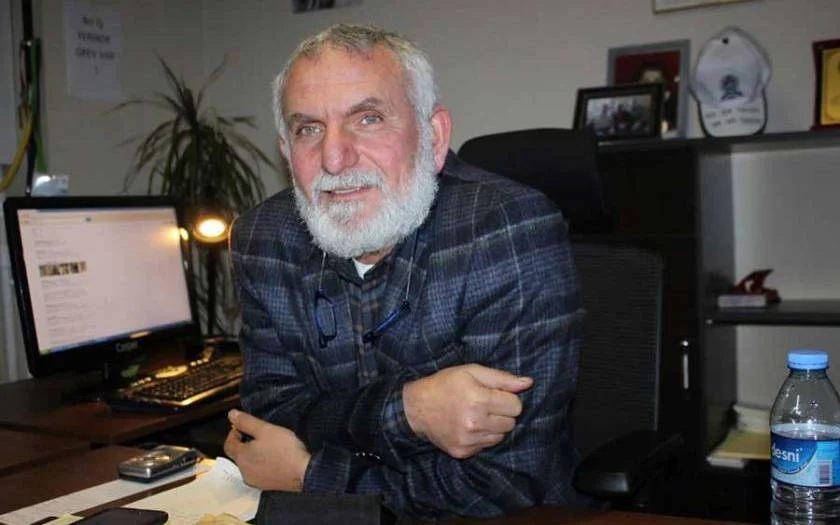
Turkish courts violated a journalist’s freedom of expression by ordering him to pay damages over reporting on public officials, the country’s top court has ruled, the Bianet news website reported.
The Turkey’s Constitutional Court said lower courts had failed to properly balance freedom of the press with the protection of personal reputation in rulings against journalist Gençağa Karafazlı, warning that the penalties risked discouraging similar reporting and harming public debate. The court stressed that journalists cannot be expected to meet the evidentiary standards of prosecutors when reporting on matters of public interest.
Karafazlı, the owner of the local Kuzeyteve news website, was ordered to pay damages in 2021 over three articles published the previous year that examined the background and conduct of two individuals with political and institutional ties in the Black Sea province of Rize.
One of the articles focused on an individual identified only by the initial İ., a member of the provincial council from the ruling Justice and Development Party (AKP). The other concerned E.T., a senior manager at a state-owned bank in Rize. Both individuals sued Karafazlı, arguing that the reporting harmed their reputations.
A civil court in Rize partially upheld the claims, ordering Karafazlı to pay 6,000 Turkish lira ($190) in damages. The ruling was later upheld on appeal, making the decision final.
Karafazlı then filed an individual application with the Constitutional Court, arguing that the damages violated his right to freedom of expression by restricting journalistic activity.
In its decision the Constitutional Court said the lower courts did not adequately assess whether the reporting was based on sufficient factual grounds or whether the journalist had acted in good faith, despite the public interest nature of the articles and the public roles of those involved. It said individuals in public or politically connected positions must tolerate a higher degree of scrutiny.
The court also criticized the lower courts for relying on technical distinctions in criminal case files related to one of the individuals, noting that such legal nuances could reasonably be overlooked by a journalist who is not a legal expert. It said courts should not expect reporters to verify information with the precision required in criminal prosecutions.
The Constitutional Court ordered that the case be returned to the Rize court for a retrial and awarded Karafazlı compensation and legal costs.
Turkey, which is one of the world’s leading jailers of journalists, according to press freedom organizations, dropped to 159th out of 180 countries in the 2025 World Press Freedom Index, published by Reporters Without Borders (RSF) in early May.