Turkish courts handed down suspended 15-month sentences to two journalists in separate disinformation cases Thursday, while a reporter and a magazine board member were put under house arrest in a terrorism investigation, Turkish media reported.
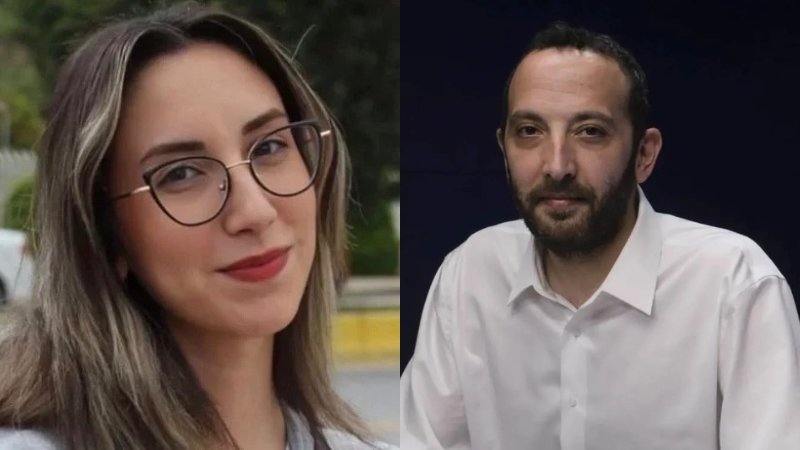
The Aydın 2nd Criminal Court of First Instance convicted journalist İrem Delice, an editor at the local Aydın Denge newspaper, of “publicly disseminating misleading information” and ordered her release after 76 days in pretrial detention. She will not serve her sentence unless she commits a similar offense within the next five years.
The court also acquitted newspaper representative Emin Aydın and managing editor Yeşim Ülker of the same charge.
The case stemmed from an August 25 social media post headlined “Erdoğan died” that referred to a local woman who shared the president’s surname. Prosecutors opened an investigation the following day.
Delice was initially released under judicial supervision along with Aydın and Ülker, but prosecutors challenged her release. She was detained again and jailed pending trial on August 28.
In a separate case, the İstanbul 2nd Criminal Court of First Instance convicted Medyascope reporter Fırat Fıstık of the same offense in a November 2024 news report about the Turkish Defense Ministry’s purchase of a product from an Israeli company. His sentence was also suspended.
The report, published in the Sözcü daily on November 14, 2024, when Fıstık was working for Sözcü TV, said the ministry had arranged to buy a cooling fluid used in F-4 fighter jets from an Israeli company, citing information on the ministry’s website. It also said Turkish companies had offered to supply the product but were turned down.
The Defense Ministry filed a criminal complaint against Fıstık the same day, and prosecutors alleged that the report contained misleading information.
Introduced in 2022, Article 217/A of the Turkish Penal Code, commonly known as the disinformation law, provides for prison sentences of one to three years for publicly spreading misleading information with the intent to cause public concern, fear or panic.
The law has prompted widespread criticism from press freedom and human rights groups, which say its vague wording gives authorities broad powers to investigate and prosecute journalists and social media users over their reporting and online commentary.
In a third case, an İstanbul Criminal Magistrate of Peace put Özlem Oral, a reporter for the socialist Mücadele Birliği news outlet, and Fatma Yıldırım, a board member of Önsöz, a socialist arts and culture magazine, under house arrest and imposed international travel bans.
Prosecutors had requested that both women be jailed pending trial, but the magistrate denied the request.
Oral and Yıldırım were among 18 people detained on November 9 as part of an investigation into alleged membership in a terrorist organization. The other 16 detainees were released under judicial supervision, with orders to report regularly to the police.
According to Expression Interrupted, a press freedom monitoring group, 27 journalists are currently behind bars in Turkey. The country’s deteriorating media landscape was further pointed out in the 2026 World Press Freedom Index published by Reporters Without Borders (RSF), where it was ranked 163rd out of 180 nations.