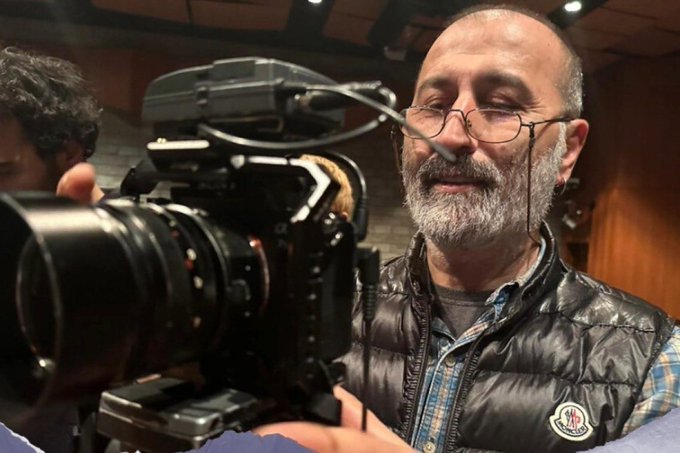
A Turkish court on Tuesday sentenced cinematographer Koray Kesik to more than two years in prison on charges of disseminating terrorism propaganda in his work on the 2015 documentary “Bakur,” which depicts militants from the outlawed Kurdistan Workers’ Party (PKK), the Media and Law Studies Association (MLSA) reported.
The Batman 2nd High Criminal Court convicted Kesik over the documentary’s content, his travels during filming, a copy of the book “Bakur Notes” written by the film’s director that was seized in his home and social media posts about May Day demonstrations and Newroz celebrations.
Kesik’s lawyer, Emine Özhasar, said they will appeal the verdict.
The documentary begins with PKK leader Abdullah Öcalan’s 2013 call for withdrawal from Turkey and presents militants’ daily lives in three camps located in the country’s predominantly Kurdish southeast as well as their political views and perspectives on the withdrawal.
The PKK, designated as a terrorist organization by Turkey and its Western allies, has waged an insurgency against the Turkish state since 1984 but said in May 2025 it would disband and end its armed campaign.
Kesik was taken into custody on May 2, 2024, and released four days later under judicial supervision.
In a related case launched in 2017, the film’s directors, Ertuğrul Mavioğlu, Çayan Demirel and Dicle Anter, who organized a screening of the film in Batman province, were also accused of spreading terrorist propaganda. Mavioğlu and Demirel were sentenced to more than two years in prison in December 2023.
The documentary has won several international awards, including the Ayşenur Zarakolu Thought and Expression Freedom Award in 2015, and the SIGNS Award at the Festival International Signes de Nuit in Berlin, the Golden Palm Documentary Award at the Mexico International Film Festival and the Grand Prix at the Mediterranean Film Festival, all in 2016.
Turkey frequently brings terrorism-related charges against journalists, filmmakers and other media workers, a practice that has affected reporters covering the Kurdish issue as well as other sensitive topics.
Press freedom and human rights groups say such cases often rely on reporting activity, sources or published content rather than evidence of involvement in violence and are used to deter critical coverage of Kurdish issue, a reference to the demand for equal rights by the country’s Kurdish population and their struggle for recognition.