Seventy-nine percent of civil servants dismissed following a coup attempt in Turkey in 2016 who were surveyed for a new report said that a decade after losing their jobs, prospective employers refused to hire them after learning of their dismissal, while 73.4 percent reported severe financial losses.
The report is the sixth in the “Social Costs of the State of Emergency” series published by the Justice for Victims Platform since 2018. It is based on a survey of 4,339 people across all 81 provinces, including 3,793 people directly affected by the post-coup measures, 368 of their relatives and 178 people who had not experienced direct victimization. The survey was conducted online December 11-25, 2025.
The report also found that 50.9 percent of direct victims seeking work were offered below-market wages, while 38.7 percent were offered unregistered employment.
A total of 73.4 percent of direct victims reported severe financial losses, while 58.4 percent reported physical or mental health problems.
The report also found that 85.9 percent of the victims were dismissed from public service without an investigation, before an investigation was completed or without being heard. Only 0.1 percent of had faced a criminal investigation before the coup attempt, compared with 70.8 percent afterward.
Among those subjected to disciplinary action after the attempted coup, 97.5 percent were dismissed from public service, the most severe disciplinary sanction.
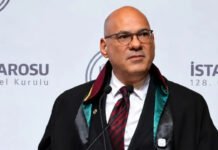
Ömer Faruk Gergerlioğlu, a lawmaker from the Peoples’ Equality and Democracy Party (DEM Party) and a human rights defender who serves as the spokesperson for the platform, said the report reflected not only the suffering of those affected but also what he described as a broader collapse of the rule of law in Turkey.
The post-coup purges primarily targeted people accused of links to the Gülen movement, although Kurds, leftists and other government critics were also among those affected.
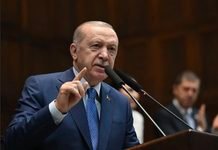
Turkish President Recep Tayyip Erdoğan has targeted the faith-based Gülen movement, inspired by Muslim cleric Fethullah Gülen, who died in 2024, since corruption investigations in December 2013 implicated Erdoğan as well as some members of his family and inner circle. He dismissed the probes as a Gülenist conspiracy and designated the movement as a terrorist organization in May 2016, intensifying a sweeping crackdown after the coup attempt in July of the same year that he accused Gülen of orchestrating. The movement denies involvement in the failed coup or any terrorist activity.
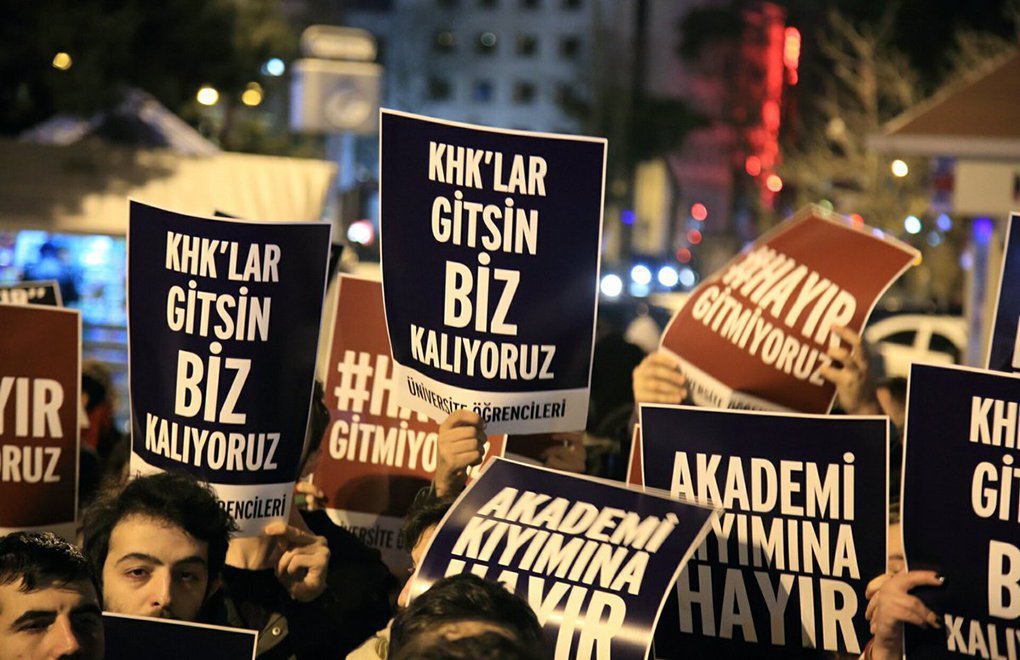
Following the abortive putsch, the Turkish government declared a state of emergency that remained in effect until July 19, 2018, during which a total of 113,290 people were dismissed from public service under emergency decrees. Another 4,006 judges and prosecutors were separately removed by Turkey’s judicial governing body, while the Turkish Armed Forces expelled 26,206 members through emergency decrees and administrative decisions.
The report estimated that the risk of suicide among victims was about 18 times the national rate.
Some 14 percent of victims reported divorce and 18.6 percent other forms of family breakdown.
Citing the Civil Society in the Penal System Association (CİSST), the report said 891 children under the age of 6 were living in prison with their mothers in Turkey as of March 2026, nearly 16 times the pre-2016 figure.
The report catalogued 214 practices it characterized as rights violations, including restrictions on employment, education and freedom of movement, violations of judicial safeguards and measures affecting victims’ families. It said the practices, taken together, could constitute persecution as a crime against humanity under the Rome Statute.
The platform estimated that at least 500,000 people had been directly affected by the post-coup measures and another 2.5 million indirectly through family ties. Victims overwhelmingly called for remedies, with 88.5 percent supporting reinstatement to public service, 87.6 percent retrials and 86.7 percent compensation