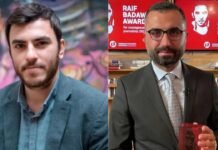

Turkish authorities on Monday blocked access to journalist Furkan Karabay’s accounts on X and Instagram and imposed an access ban on one of his reports published on YouTube, citing national security and public order, Turkish media reported.
Karabay’s X account has now been blocked for the third time in the past eight months. His lawyer, Enes Ermaner, said the repeated restrictions amount to a serious and systematic violation of freedom of expression and vowed to challenge the orders through all available legal avenues, including the Constitutional Court and the European Court of Human Rights (ECtHR).
According to the block notice on X, Karabay’s account was restricted in Turkey “in response to a legal demand,” without disclosing the legal basis for the decision or the authority that issued it.
Karabay said he would continue reporting through a new account, @KarabayFurkann, following the latest restriction.
Access was also blocked to a recent video report by Karabay focusing on Urfi Çetinkaya, a notorious drug trafficker known as the “Turkish Escobar,” on the YouTube channel “Alan.” Çetinkaya died in September 2024 while serving a 24-year prison sentence.
İzel Sezer, head of the channel’s editorial team, said they had been unable to identify any court ruling ordering the YouTube ban and added that they were awaiting an explanation from the platform.
Karabay was arrested on May 15 over his reporting and social media posts related to investigations into opposition mayors. Prosecutors charged him with of “insulting the president,” “repeatedly targeting public officials involved in counterterrorism efforts” and “insulting a public official.” During his detention X made Karabay’s accounts inaccessible in Turkey on May 16 and May 26.
The court sentenced him to more than five years in prison but ordered his release on December 2 due to time served in pretrial detention.
In April Karabay was handed down a two-year suspended sentence over comments in a YouTube interview about claims of offshore accounts allegedly owned by Erdoğan’s family, allegations first raised by then-opposition leader Kemal Kılıçdaroğlu in 2017.
Karabay had previously been arrested in November 9, 2024, for reporting on the detention of Esenyurt Mayor Ahmet Özer and the appointment of a trustee to the municipality. He was released 10 days later pending trial.
Turkish authorities blocked access to 1,897 social media accounts and 8,762 news reports in 2024, according to the Internet Censorship Report.
Turkey’s increasing use of digital censorship has been cited by press freedom monitors as a key factor in the country’s poor ranking in global media freedom indices.
Turkey has faced repeated criticism from press freedom groups and human rights organizations for its restrictions on free expression and its pressure on independent journalism. Social media platforms are frequently targeted by government orders, especially when posts involve high-ranking officials or politically sensitive material.