A report by the Education and Science Workers’ Union (Eğitim Sen) has found that widespread poverty in Turkey’s fifth largest city is pushing children out of education and into work, with many students going to school hungry and vocational trainees working long hours, Turkish Minute reported.
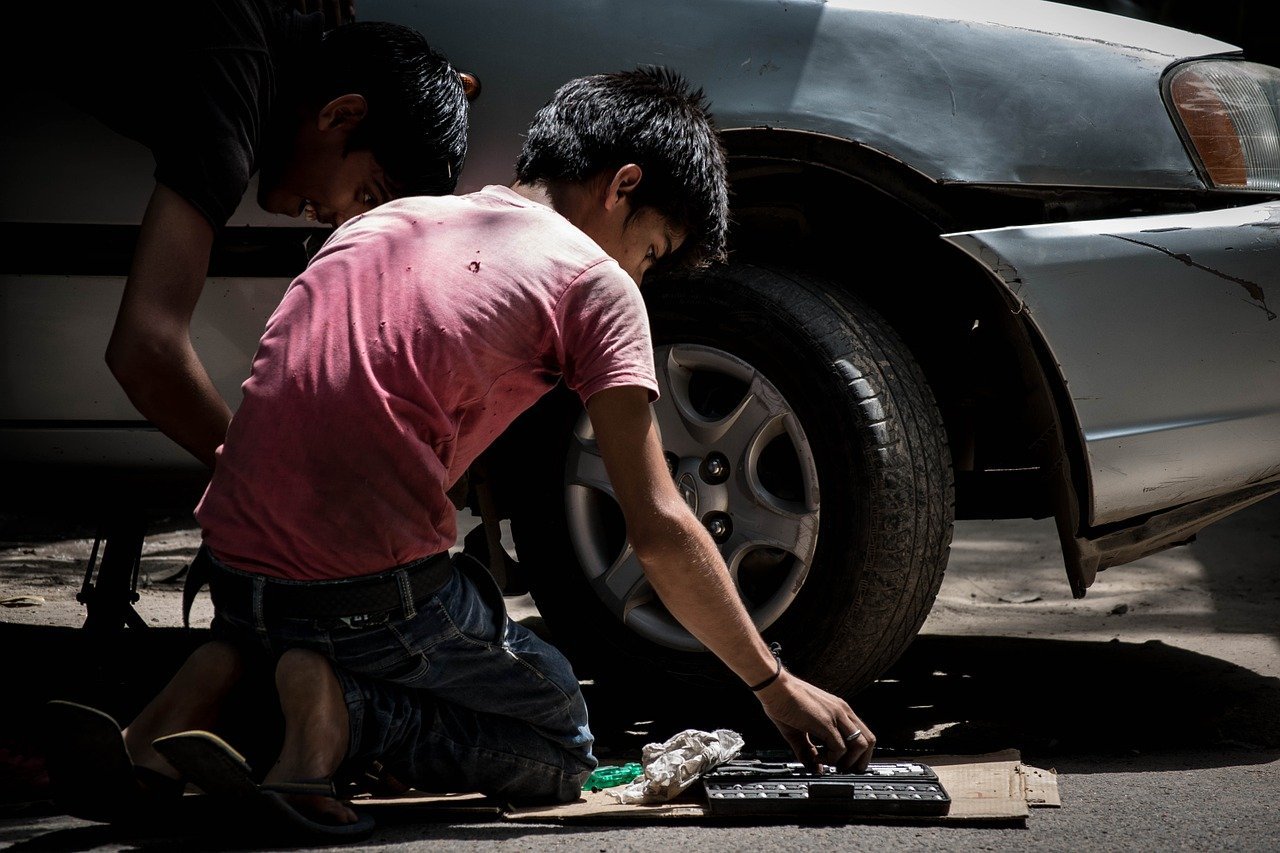
The Vocational Education Centers (MESEM) in Turkey, which combines schooling with workplace training, has faced criticism over child labor and workplace safety, along with some concerns about child poverty.
The study examined conditions in 26 schools attended by more than 18,000 students in Adana, a major city in southern Turkey, including schools in the Seyhan, Çukurova, Yüreğir, Sarıçam and Kozan districts.
Prepared by a group of academics and educators, the study covered elementary schools, middle schools and vocational high schools and documented the effects of poverty, unequal access to education and working conditions among children enrolled in vocational programs.
According to the report, nearly 60 percent of families surveyed earn less than 49,000 Turkish lira ($1,067) per month, while only 9 percent report a monthly income above 100,000 lira (about $2,180). The study said 90 percent of student households live below the poverty line.
The economic hardship described in the report has also affected children’s daily lives. Forty percent of students surveyed said they do not receive regular daily pocket money, while 22 percent said they go to school without money on most days.
Survey data also pointed to widespread food insecurity among students. Nearly half of the children surveyed in Adana said they arrive at school without breakfast four or five days a week, while 48.3 percent said they are unable to bring fruit to school on any day.
Many schools also lacked meal programs and access to drinking water. The report found that 79 percent of elementary schools, 71 percent of middle schools and 62 percent of Anatolian high schools included in the study do not provide meals to students. Nearly a quarter of students interviewed said their schools had no drinking fountains outside restroom areas.
Researchers also documented accessibility problems for students with disabilities and special needs. More than two-thirds of schools surveyed do not have elevators, while only 23.1 percent have elevators that are operational. The rate was even higher in vocational high schools, where 81.8 percent of schools lacked elevators.
The report criticized what it described as increasingly limited course selection in public schools. In half of the schools surveyed elective classes were offered through pre-determined course packages rather than individual choice, while more than half offered only a limited number of electives.
The restrictions were more widespread in vocational and technical Anatolian high schools, where many schools reportedly did not open certain elective classes at all. The study also found that 83.3 percent of schools do not offer a second foreign language option, while none of the vocational high schools surveyed provided one.
At the same time, extracurricular religious activities were reported in 26.1 percent of schools surveyed, while all İmam Hatip religious schools included in the study organized such activities.
The report also pointed to social and linguistic inequalities in schools attended by students whose native languages include Turkish, Kurdish and Arabic. According to the findings, 77.8 percent of schools said students with different mother tongues experienced learning difficulties, while one-third of the students reported exclusion or discriminatory treatment by teachers.
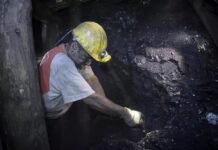
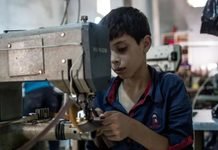
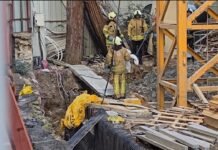
A major focus of the report was Turkey’s MESEM vocational education system. Critics, including labor unions and opposition politicians, have long argued that the program exposes children to exploitative working conditions while weakening access to formal education.
According to the report, poverty plays a major role in students enrolling in MESEM programs. More than 41 percent of MESEM students surveyed came from families earning below 49,000 lira per month, while only 3 percent came from households earning above 100,000 lira.
Although MESEM students are formally required to attend school or online classes one day a week, the study found that more than half struggle to keep up with lessons because of their work schedules. Half of the students surveyed said they work five or six days a week, while 66 percent reported shifts longer than nine hours.
The report also found that many students continue working during summer breaks and public holidays despite regulations intended to protect minors from excessive labor.