At least 852 children have died in work-related accidents in Turkey over the past 13 years, according to new data released on Wednesday.
The figures, compiled by the Health and Safety Labor Watch (İSİG), a Turkish labor rights group, point out ongoing concerns about child labor in the country, particularly in agriculture, construction and small-scale industry.
The data, compiled from national media reports and accounts from families, coworkers and local news outlets, paint a stark portrait of child labor conditions in the country. From 2013 through April 2026, the number of annual child worker fatalities has ranged between 54 and 94, with 28 children reported dead in the first five months of this year alone.
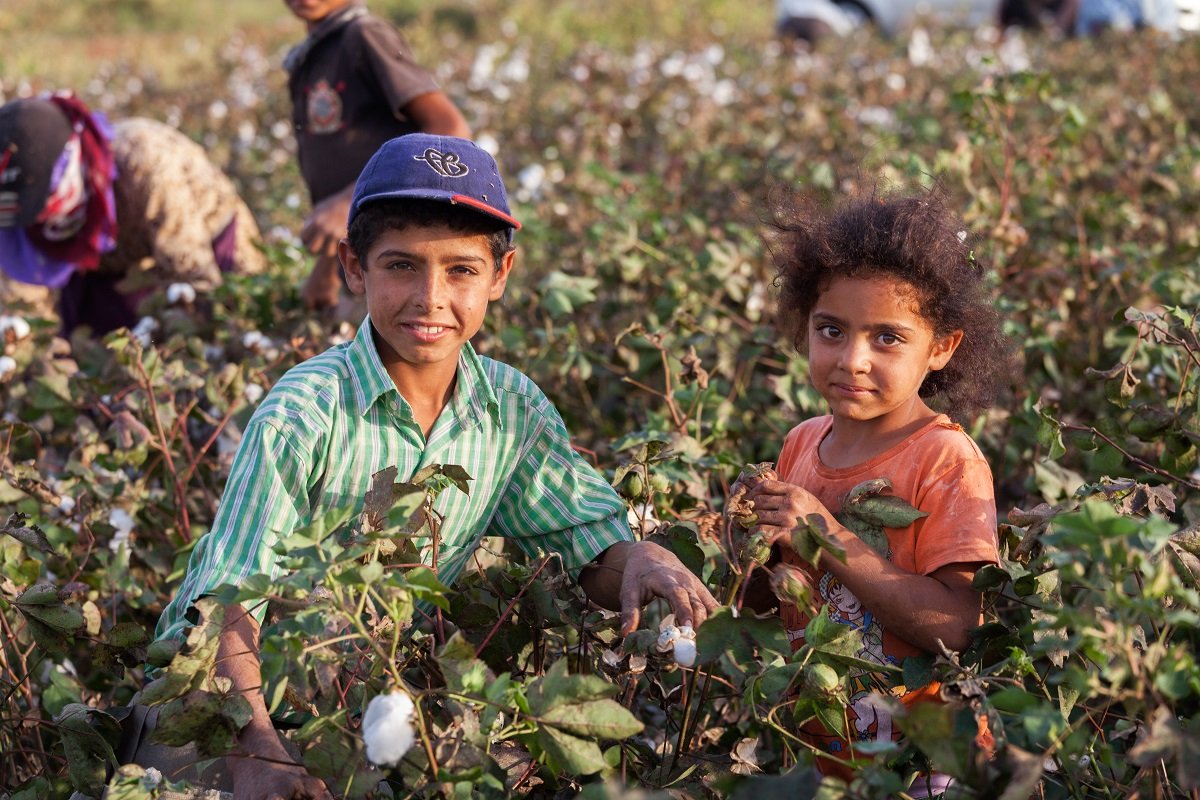
Of the 852 reported deaths, 561 involved children aged 15 to 17. However, 291 children were aged 5 to 14, an age group that is legally prohibited from working. Most of these younger children were employed informally in sectors such as seasonal agriculture, street vending and workshops in the textile, food and construction industries.
Turkey officially prohibits employment under the age of 15, with limited exceptions for light work. However, advocacy groups argue that programs such as the Ministry of Education’s vocational training centers (MESEM) enable child labor by putting minors in workplace training environments under minimal supervision.
In the 15 to 17 age group, employment is increasingly shifting from rural to urban areas, reportedly driven in part by state-run vocational training programs that critics say effectively normalize underage labor. These children frequently work long hours for pay below the minimum wage, often without insurance or union protections.
Common causes of death include traffic accidents, especially among children working in agriculture who are transported in overcrowded and unsafe vehicles. Drownings are also prevalent among younger workers, who often rely on irrigation canals and streams for bathing and drinking water during the summer. Teen workers in industrial jobs frequently suffer fatal falls and crush injuries. Survivors often face life-altering injuries such as amputations and fractures.
Children are also vulnerable to physical and psychological violence, particularly those working in informal environments or on the streets. Advocates report that abuse has become normalized for many child laborers.
Geographically, fatalities are concentrated in provinces such as Şanlıurfa, Gaziantep, Konya, İstanbul, Samsun and Adana.
In Turkey, labor advocates are urging stronger enforcement, enhanced safety oversight and broader social protections for vulnerable families. Without these changes, they warn, the cycle of poverty and child exploitation is likely to persist.
A yearly report produced by the International Trade Union Confederation (ITUC) on labor rights revealed that Turkey is one of the 10 worst countries in the world for workers in industrial sectors. According to the Brussels-based ITUC, workers’ freedoms and rights have been further denied since police crackdowns on protests in Turkey in 2025.