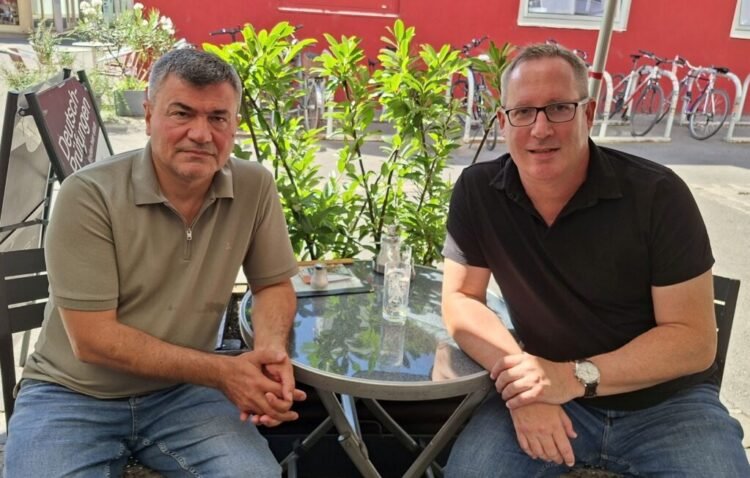
Reporters Without Borders (RSF) has called for international solidarity with Doğan Ertuğrul, a Turkish journalist living in exile, after Turkey froze his assets over alleged links to the faith-based Gülen movement, pointing to the case as an example of the country’s transnational repression of critical journalists abroad.
In a statement on Friday, RSF Austria called for international solidarity in defense of critical and independent journalism in Turkey. According to RSF, the asset freeze extended to Ertuğrul’s private pension savings in Turkey as well. He is now seeking international legal and diplomatic support to challenge the measure.
Ertuğrul, who has lived in Austria since 2016 and was granted political asylum there, is editor-in-chief of Kronos News, an online news outlet critical of the Turkish government. He is also affiliated with the Vienna-based Free Journalists Association.
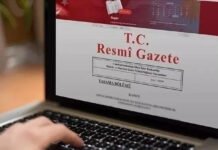
The asset freeze was imposed under a joint decision by Turkey’s interior and treasury ministries published in the Official Gazette on July 14. The decision targeted Ertuğrul and several other individuals and organizations over alleged links to the Gülen movement under Turkey’s anti-terrorism financing law.
The decision did not specify any financial transaction or other concrete act by Ertuğrul as the basis for the measure.
Turkish President Recep Tayyip Erdoğan has targeted the Gülen movement, a worldwide civic initiative inspired by the ideas of Muslim cleric Fethullah Gülen, who died in 2024, since corruption investigations in December 2013 implicated him as well as some members of his family and inner circle. He dismissed the probes as a Gülenist conspiracy and designated the movement as a terrorist organization in May 2016, intensifying a sweeping crackdown after a coup attempt in July of the same year that he accused Gülen of orchestrating. The movement denies involvement in the coup attempt or any terrorist activity.
Ertuğrul told RSF that he viewed the measure as an attempt to intimidate critical journalists ahead of Turkey’s 2028 elections. He said pressure from Turkish authorities had followed him abroad and that he currently lives under personal protection in Vienna.
The July 14 decision also froze the assets of several other individuals and organizations, including the Germany-based International Journalists Association (IJA) and the Austria-based Free Journalists Association.
Turkish authorities have frozen the assets of hundreds of people living abroad under terrorism-financing legislation. People targeted by such measures have subsequently been flagged in commercial financial-risk databases, in some cases leading to bank account closures, denial of financial services and damage to their credit records.
The Parliamentary Assembly of the Council of Europe (PACE) has identified Turkey’s use of terrorism-financing measures against perceived government opponents abroad as a form of transnational repression, citing cases in which people targeted by asset freezes subsequently encountered problems with bank accounts and credit cards.