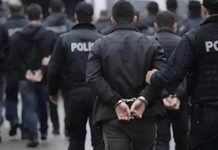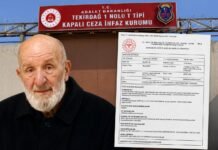
Turkish prosecutors have indicted seven journalists on terrorism charges, citing professional activities, payments for their work and the use of messaging apps as evidence of alleged links to the faith-based Gülen movement, the Media and Law Studies Association (MLSA) reported.
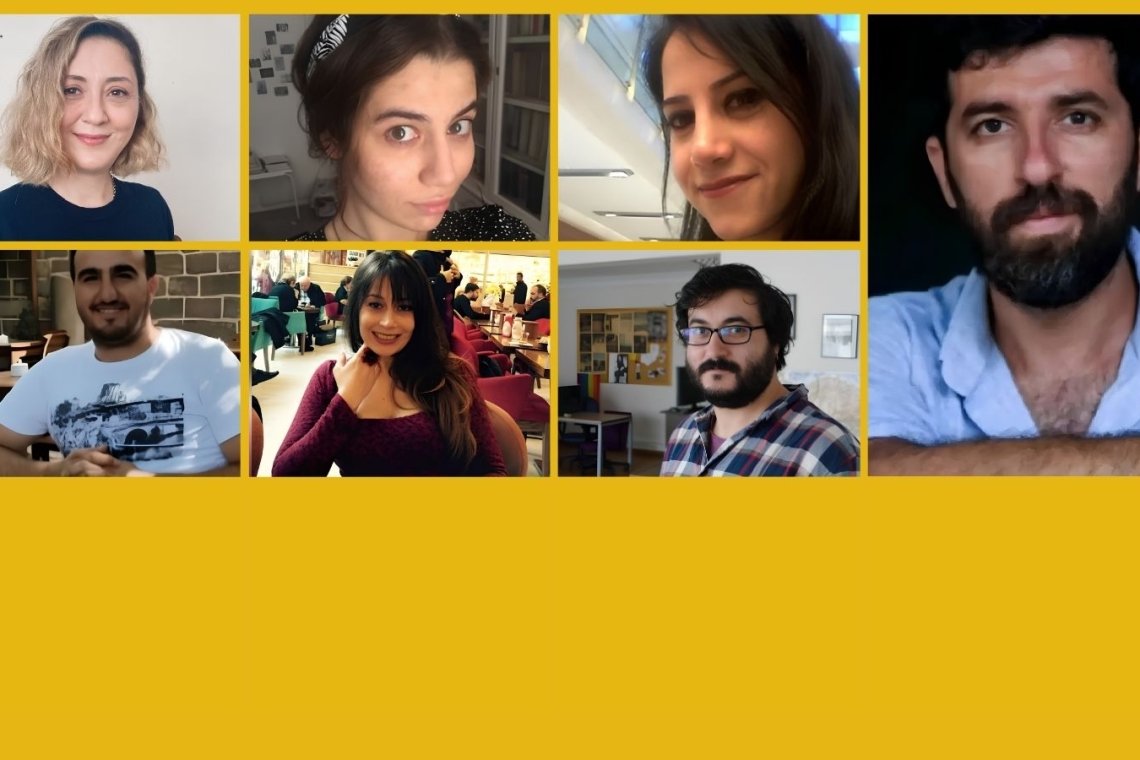
The 39-page indictment, prepared by the Artvin Chief Public Prosecutor’s Office, accuses Semra Pelek, Eylem Emel Yılmaz, Dicle Baştürk, Metin Yoksu, Yavuz Akengin, Melisa Efe and Ozan Cırık of membership in a terrorist organization.
The İstanbul 26th High Criminal Court accepted the indictment and scheduled the first hearing for November 24 after the Artvin High Criminal Court ruled that it lacked jurisdiction and transferred the case to İstanbul.
The investigation began with an open-source inquiry by the Artvin Provincial Gendarmerie Command, initially focusing into journalists working with the Kronos news website. MLSA said the gendarmerie conducted the inquiry without instructions from a prosecutor and only later submitted its findings to the prosecutor’s office.
The indictment focuses largely on journalistic work for Kronos, which prosecutors allege is affiliated with the Gülen movement. It cites reporting, editing, translation and technical work performed for the outlet as evidence against the journalists. Prosecutors also included a February 2025 report by Turkey’s Financial Crimes Investigation Board (MASAK) documenting payments for news reports and translations among the evidence.
Akengin and Baştürk worked as editors for Kronos, while Yılmaz and Yoksu contributed freelance reports to the website. Cırık provided technical maintenance for the site. Pelek said she had translated news reports for journalist Selahattin Sevi and received freelance payments through the Vienna-based Free Journalists Association. For Efe, a translator, prosecutors cited the presence of the Signal messaging app on her phone as evidence.
As evidence against Pelek, prosecutors listed calls with journalists, lawmakers, lawyers, press freedom representatives and human rights defenders. Those names included journalists Hasan Cemal and Reporters Without Borders (RSF) Turkey representative Erol Önderoğlu, former press union leader Faruk Eren, forensic medicine expert Şebnem Korur Fincancı and several former opposition lawmakers.
The indictment also cited a Signal link sent to Pelek through Skype by a German documentary filmmaker she had worked with.
Turkish President Recep Tayyip Erdoğan has targeted the faith-based Gülen movement, inspired by Muslim cleric Fethullah Gülen, who died in 2024, since corruption investigations in December 2013 implicated him as well as some members of his family and inner circle. He dismissed the probes as a Gülenist conspiracy and designated the movement as a terrorist organization in May 2016, intensifying a sweeping crackdown after a coup attempt in July of the same year that he accused Gülen of orchestrating. The movement denies involvement in the coup attempt or any terrorist activity.
The journalists were detained in June 2025 as part of the Artvin-based investigation. Yılmaz, Baştürk, Akengin and Cırık were jailed pending trial on June 16 and released on July 16, while Pelek and Efe were released under judicial supervision. Yoksu was detained later on June 26 after going to a courthouse in Batman to give a statement and was released on July 25.
According to Expression Interrupted, a press freedom monitoring group, 20 journalists are currently behind bars in Turkey. The country’s deteriorating media landscape was further pointed out in the 2026 World Press Freedom Index published by Reporters Without Borders (RSF), where it was ranked 163rd out of 180 nations.