Turkish authorities’ refusal to issue a passport to a 10-year-old girl has revealed that in 2025 a Turkish court had imposed an international travel ban on her father, a military officer who was killed by terrorists nine years earlier, over suspected links to the faith-based Gülen movement.
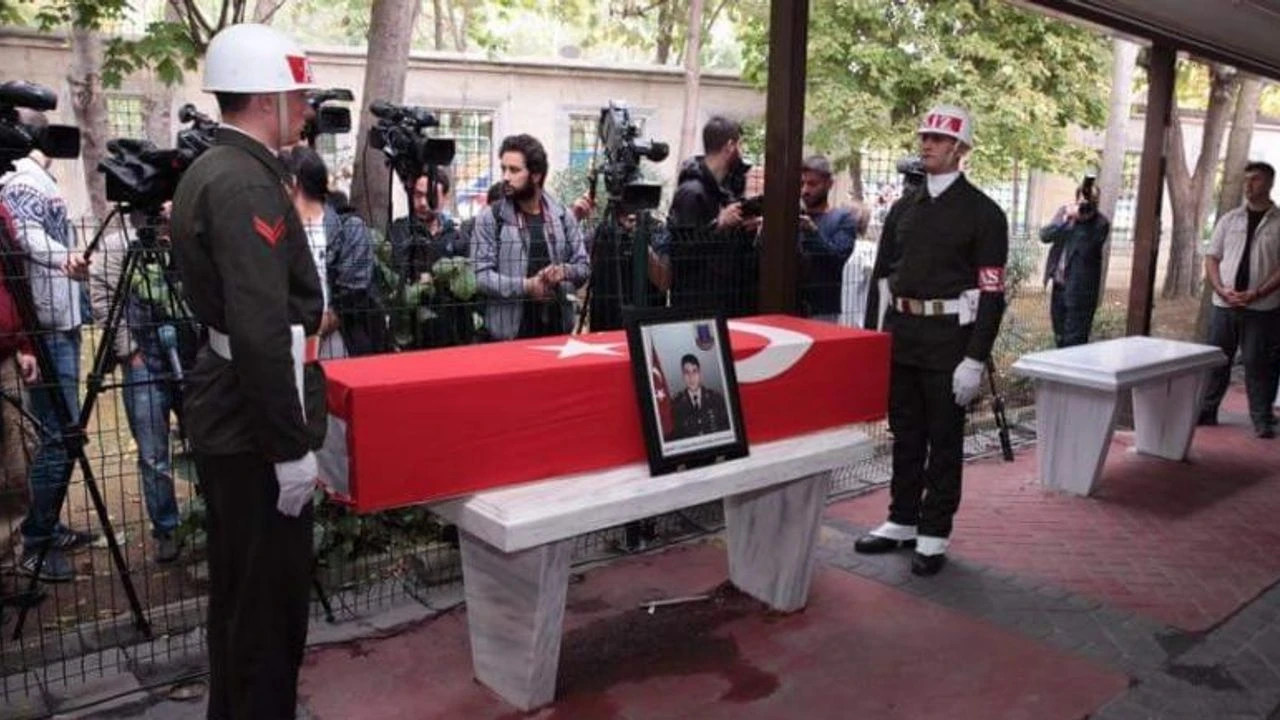
According to a report by journalist Müyesser Yıldız of the 12punto news website, the İstanbul Chief Public Prosecutor’s Office on July 22, 2025, launched an investigation into 1st Lt. Murat Ataş, who was killed in 2016 during an attack by the outlawed Kurdistan Workers’ Party (PKK). An international travel ban was imposed on Ataş on October 1, 2025.
The PKK waged a decades-long insurgency against the Turkish state and is designated as a terrorist organization by Turkey and its Western allies. In May the PKK announced that it would lay down its arms to pursue a democratic struggle to defend the rights of the Kurdish minority.
The decision came to light when Ataş’s daughter applied for a green passport, a special passport issued to certain public servants and their families that allows visa-free travel to many countries, to attend an overseas course through her school. Her application was rejected on January 15 because of the travel ban imposed on her father.
President Recep Tayyip Erdoğan has been targeting followers of the Gülen movement, inspired by the late Muslim cleric Fethullah Gülen, since corruption investigations in December 2013 implicated him as well as some members of his family and inner circle.
Dismissing the investigations as a Gülenist coup and a conspiracy against his government, Erdoğan began to target the movement’s members. He designated the movement as a terrorist organization in May 2016 and intensified the crackdown on it following an abortive putsch in July of the same year that he accused Gülen of masterminding. The movement strongly denies involvement in the coup attempt or any terrorist activity.
Ataş’s wife, Sezen Ataş, was convicted of “membership in a terrorist organization” for her alleged ties to the movement and was sentenced to almost seven years in prison in February 2020. Her appeal is currently pending before Turkey’s Supreme Court of Appeals.
According to the latest figures from the justice ministry, more than 126,000 people have been convicted of alleged links to the movement since 2016, with 11,085 still in prison. Legal proceedings are ongoing for over 24,000 individuals, while another 58,000 remain under active investigation nearly a decade later.