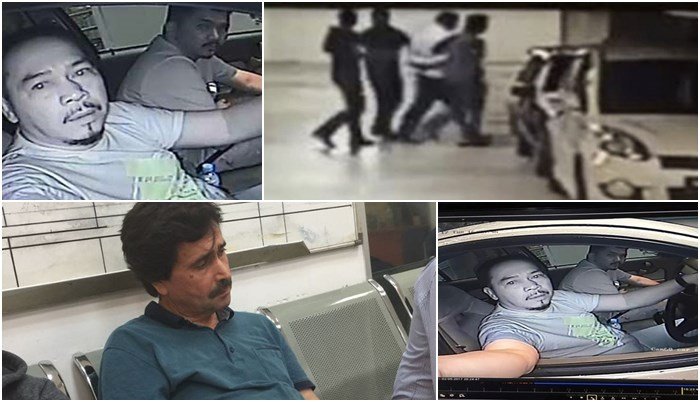
İsmet Özçelik, convicted on terrorism charges due to his alleged links to the faith-based Gülen movement, recounted the harrowing details of his journey across three countries before being abducted by Turkish intelligence and forcibly returned to Turkey to serve a prison sentence of almost 10 years, in an interview with the Stockholm Center for Freedom.
Turkish President Recep Tayyip Erdoğan has targeted followers of the Gülen movement, inspired by US-based cleric Fethullah Gülen, who died in 2024, since corruption investigations in December 2013 implicated him as well as some members of his family and inner circle. He dismissed the probes as a Gülenist conspiracy and later designated the movement as a terrorist organization in May 2016, intensifying a sweeping crackdown after a coup attempt in July of the same year that he accused Gülen of orchestrating. The movement denies involvement in the attempted coup or any terrorist activity.
According to the latest figures from the justice ministry, more than 126,000 people have been convicted of alleged links to the movement since 2016, with 11,085 still in prison. Legal proceedings are ongoing for over 24,000 individuals, while another 58,000 remain under active investigation nearly a decade later.
In addition to the thousands who were jailed, scores of other Gülen movement followers had to flee Turkey to avoid the government crackdown.
Özçelik was one of those people. Having worked in private schools, intercultural dialogue organizations and a university linked to the movement, he decided to leave the country when the government’s post-coup purge intensified.
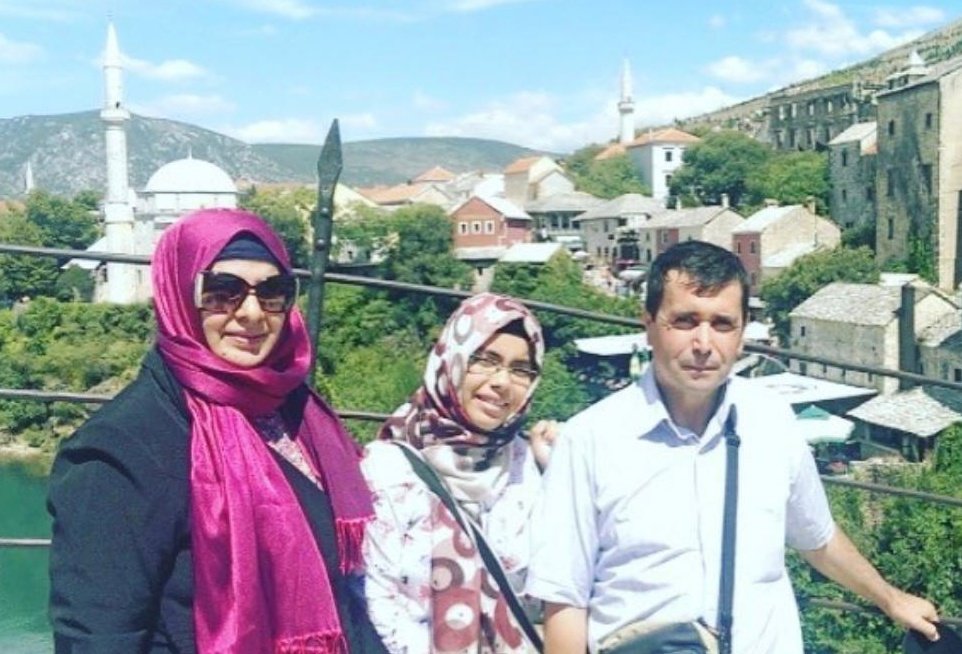
In the summer of 2016, soon after the attempted coup and at the insistence of his son, who was living in Malaysia at the time, Özçelik decided to flee first to Bosnia and Herzegovina. After spending several days in the country, he decided it would be better to join his son in Malaysia.
“When I left, I didn’t even turn off the fridge. I thought I’d be staying with my son for a very short time. Of course it turned out to be years,” he said.
One morning, three months after his arrival, Özçelik was visited by five men in civilian clothes who introduced themselves as Malaysian police officers and said they were acting on a request from the Turkish government.
“They said there was a problem with my passport and asked to see it, but I didn’t want to hand it over without a formal document or notice,” he said. “I had a visa and legal permit to stay in Malaysia at the time.”
Following the refusal to produce his passport, Özçelik was severely beaten by the men and taken to a police station, where he was detained for three days. On the third day, a Monday in December 2016, he appeared in court, where a judge ordered his arrest. At no point had either the police or the judge asked Özçelik anything about his ties to the Gülen movement or the coup attempt, He was ultimately arrested for resisting the police.
Özçelik remained in jail for 50 days. His family appealed to the United Nations for assistance, saying they had a valid visa to remain in the country and had not been involved in any crime. Following the appeal, Özçelik was released pending trial, but his passport was not returned to him.
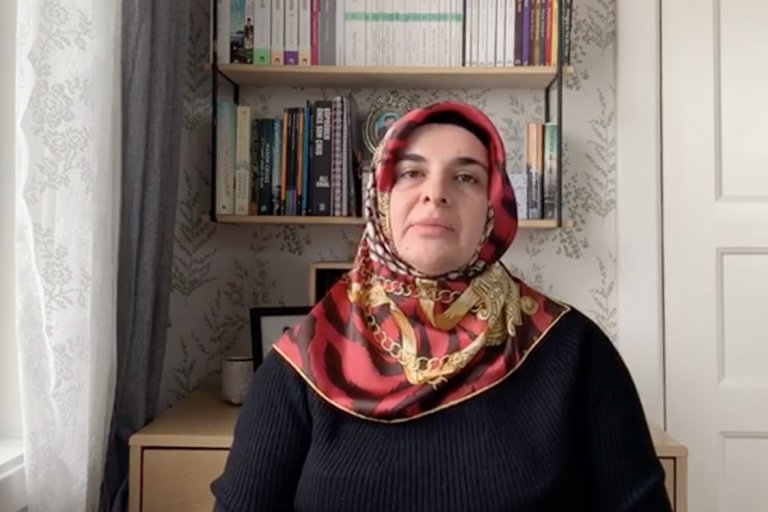
Representatives from the UN Human Rights Office interviewed Özçelik and his family for 37 hours in an effort to understand their situation, but they also advised them to be careful.
“They advised us against using mobile phones, going outside, visiting the supermarket or simply appearing in public,” said Özçelik.
While waiting for the next hearing, Özçelik attempted to leave Malaysia, but lacking proper documents, was unable to do so. On May 4 he was once again detained by plainclothes police and taken to a detention center, where he was put with 50 other men in a cell that lacked proper hygiene, sleeping facilities and adequate toilet facilities.
“We were actually trying to relocate to a different city because we feared that we had not been discreet enough in our building complex. While we were on the road, we realized we were being followed. Eventually, they caught up with us, and I was detained again. Eight days later I was taken to the Immigration Office. The people who detained me never spoke to me, never explained why I was being detained, where I was being taken or what would happen to me. They blindfolded me as they took me from one place to another.”
During those eight days, Özçelik’s family tried to obtain information about his whereabouts, while the UN Human Rights Office called on the Malaysian authorities to release him immediately, saying it feared he would be deported to Turkey, where he faced probable arrest. However, those calls fell on deaf ears.
Özçelik eventually realized he had been taken to the airport and put on a plane. After landing in Ankara, he was taken to the Security Directorate General’s counterterrorism unit (TEM). A previous report by Human Rights Watch found that in the aftermath of the coup attempt there had been several cases of torture and mistreatment in TEM custody, and Özçelik said he heard screams and cries during his detention there. He himself was not subject to torture.
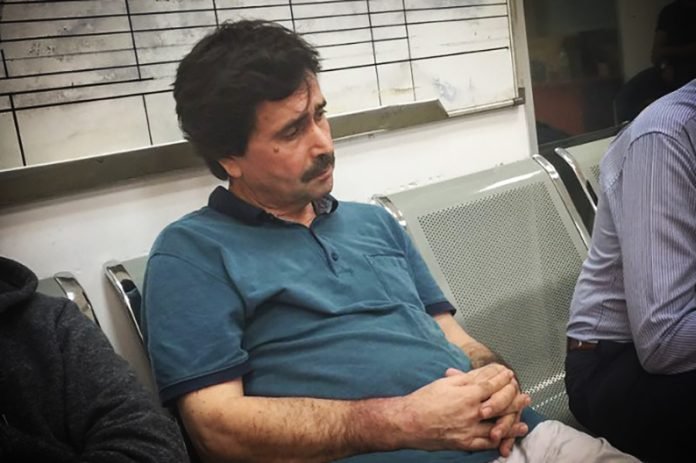
He said he did not necessarily feel scared or without hope but rather disbelief that so much injustice could occur.
“I was at TEM for 10 days and was pressured to give false testimony. They wanted me to provide the names of others linked to the movement. They said that if I helped them, I could just walk out. But if I didn’t, I’d never see the light of day.”
After 10 days in detention, Özçelik appeared in court and was sent to Sincan Prison, notorious for its large number of political prisoners and poor conditions. Again, he found himself sharing a ward with 250 other men.
“My time in prison was marked by frequent water cuts and cramped conditions where I was practically shoulder-to-shoulder with the men sleeping next to me,” he said. “I have heart disease, and for nearly a month they did not give me my medication.”
Özçelik, who had tried so hard to stay out of prison and build a life away from the purge, ultimately ended up serving eight years. Despite calls from the UN Human Rights Committee for his immediate release, saying that his freedoms had been violated and that he should be compensated, the international body had no means of compelling the Turkish government to act.
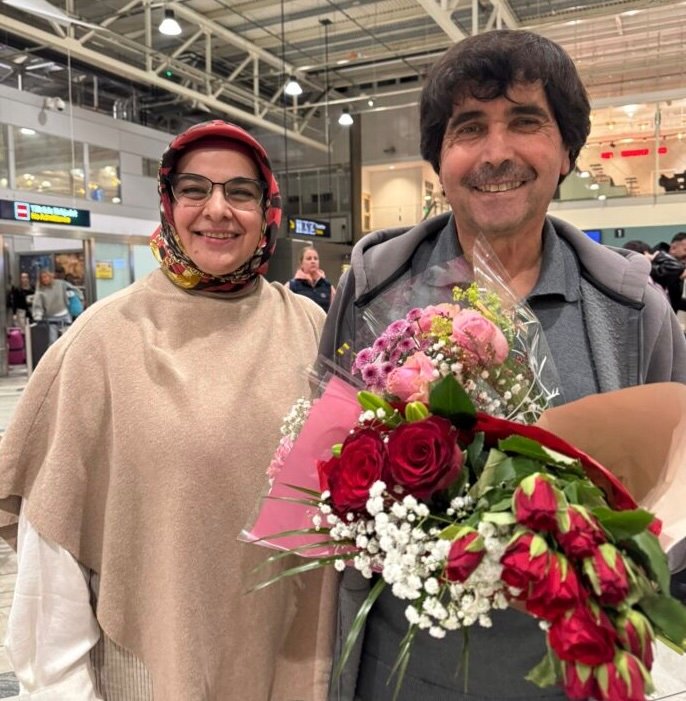
Özçelik was released in 2024, then a 66-year-old man. Although he had served his sentence, he decided he could no longer live in Turkey because he would never feel safe there. He once again traveled to Bosnia and Herzegovina and later to Sweden to reunite with his daughter and wife, who had already moved there during his imprisonment.
Human rights organizations have for years been documenting cases of transnational repression perpetrated by the Turkish government. According to news reports based on government sources, Turkey’s National Intelligence Organization (MIT) has carried out operations resulting in the forcible return of at least 128 individuals with alleged links to the Gülen movement since 2016.
In its 2025 report on Turkey, the European Parliament condemned reported instances of intimidation, forced returns and the misuse of international cooperation mechanisms targeting Turkish nationals living abroad.