A woman jailed in western Turkey over charitable donations suffered a miscarriage on Tuesday despite having warned prison authorities of the risk and was sent back to prison before her bleeding had stopped, the TR724 news website reported.
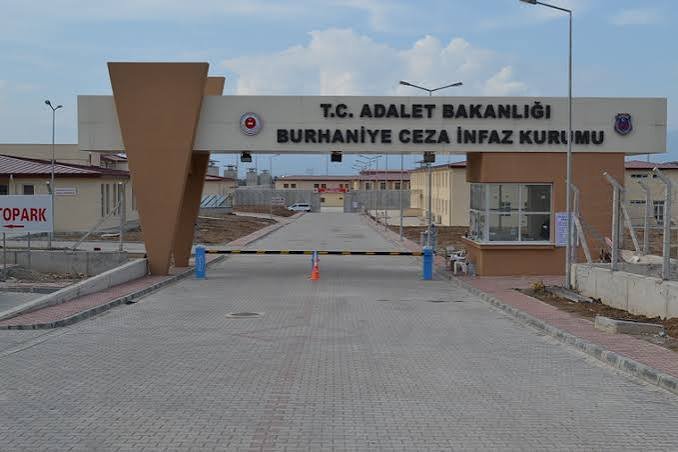
Esma Bozgeyik, who has been held in Burhaniye Prison in Balıkesir province since October 27, was placed in a single-person cell despite informing prison authorities of her pregnancy and the risk of miscarriage upon her admission, Ömer Faruk Gergerlioğlu, a human rights defender and lawmaker from the pro-Kurdish Peoples’ Equality and Democracy Party (DEM Party), said on X.
“How can it be acceptable to keep a pregnant woman in prison despite knowing that she is at risk of miscarriage,” Gergerlioğlu asked, “and, on top of that, keep her in a single-person cell?”.
Gergerlioğlu called on the Justice Ministry to investigate those responsible for failing to take the necessary precautions. He also called for the investigation into Bozgeyik to be dropped.
According to her husband, Bozgeyik was taken to a hospital on Monday and returned to prison after doctors told her that her pregnancy was progressing normally. Her condition worsened early Tuesday, and she underwent a medical procedure following the miscarriage. She was sent back to prison just three hours after the procedure, while still experiencing pain, nausea and severe stress and before she had fully recovered from anesthesia, her husband said.
Bozgeyik is reportedly being held on allegations of financing terrorism over donations she made to İhvan-DER, an association that reportedly provides aid to orphans, which she discovered through social media. A close friend who participated in charitable activities with Bozgeyik said they collected small donations through WhatsApp groups to provide food, coal and clothing to families in need and had records documenting their work.
Under Article 109(4) of Turkey’s Code of Criminal Procedure, courts may impose judicial supervision measures, such as house arrest, instead of pretrial detention on pregnant women and women who have given birth in the preceding six months.
Gergerlioğlu also accused the authorities of double standards, referring to the release of former Turkish family minister Fatma Betül Sayan Kaya to house arrest on medical grounds on the same day Bozgeyik suffered the miscarriage.
Kaya, a former deputy chair of President Recep Tayyip Erdoğan’s ruling Justice and Development Party (AKP), had spent 19 days in pretrial detention as part of an investigation into Turkey’s multibillion-dollar investment fund scandal. Her release sparked widespread criticism from relatives of prisoners who died in custody, opposition politicians, the head of the Union of Turkish Bar Associations and even pro-government commentators, who accused the authorities of applying double standards in the administration of justice.
The UN Committee against Torture in 2024 called on Turkish authorities to ensure adequate healthcare, sanitation and hygiene facilities for pregnant prisoners and mothers incarcerated with their babies and to make greater use of noncustodial measures in line with the UN Bangkok Rules.
In reports published in October 2026, the Council of Europe’s Committee for the Prevention of Torture (CPT) also documented unsuitable living conditions for mothers incarcerated with their children and called on Turkish authorities to ensure adequate nutrition for pregnant women, breastfeeding mothers and children.