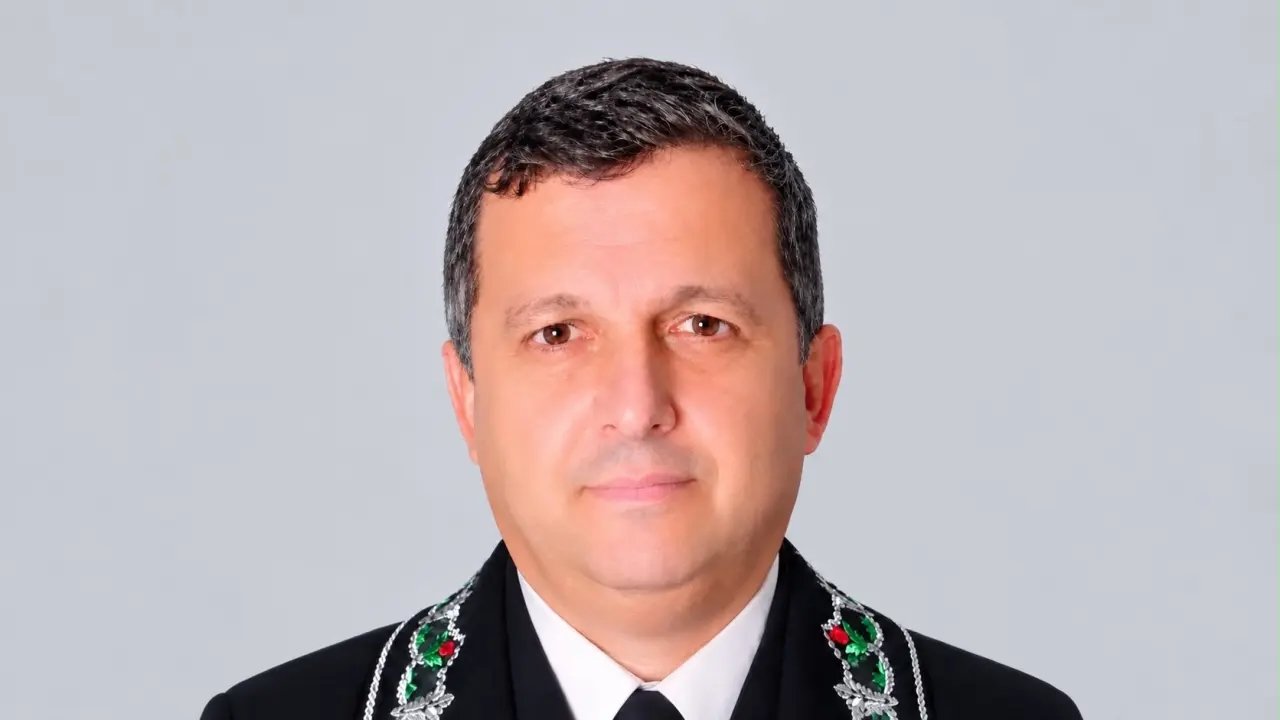
Haluk Zeybel, a former judge on Turkey’s military appeals court who was dismissed and imprisoned over alleged links to the faith-based Gülen movement following a 2016 coup attempt, has died of cancer at age 66, the TR724 news website reported.
Zeybel died on November 4 at a hospital in Ankara, where he had been receiving cancer treatment.
Turkish President Recep Tayyip Erdoğan has targeted the faith-based Gülen movement, inspired by Muslim cleric Fethullah Gülen, who died in 2024, since corruption investigations in December 2013 implicated Erdoğan as well as some members of his family and inner circle. He dismissed the probes as a Gülenist conspiracy and designated the movement as a terrorist organization in May 2016, intensifying a sweeping crackdown after the coup attempt in July of the same year that he accused Gülen of orchestrating. The movement denies involvement in the failed coup or any terrorist activity.
Zeybel was detained following the attempted coup and dismissed from the Military Court of Appeals in October 2016.
In February 2020, the Supreme Court of Appeals sentenced him to more than 11 years in prison for membership in an armed terrorist organization. The sentence was upheld on appeal in 2021. Zeybel denied the accusations and requested acquittal and release.
Prosecutors cited three $1 bills found in Zeybel’s home as evidence against him, including one with a serial number beginning with “FG,” the initials of Fethullah Gülen. Zeybel denied that the bills constituted evidence of a crime.
Turkish authorities have claimed that $1 bills, particularly those with serial numbers beginning with an F, J, C or G, served as coded identifiers among members of the Gülen movement. Such banknotes have been cited in numerous investigations and prosecutions, including that of Turkish-American NASA scientist Serkan Gölge, who spent nearly three years in prison.
Zeybel was later released from prison after being diagnosed with cancer and requesting his release, according to his former cellmate, Dr. Cemil Çelik.
Çelik said on X that he and Zeybel had been detained on the same day and that both had been subjected to torture while in custody. They shared a prison ward for about two years, he said.
Following the coup attempt of July 15, 2016, the Turkish government declared a state of emergency that remained in effect until July 19, 2018. During this period, the government carried out a purge of state institutions under the pretext of an anti-coup fight by issuing a number of government decrees.
A total of 113,290 people were dismissed from public service under emergency decrees. 4,006 judges and prosecutors were separately removed by the Supreme Board of Judges and Prosecutors (HSYK), while the Turkish Armed Forces expelled 26,206 members, including 150 of the Turkish Armed Forces’ 326 generals and admirals, through emergency decrees and administrative decisions for alleged membership in or relationships with “terrorist organizations” by emergency decree-laws subject to neither judicial nor parliamentary scrutiny.
According to figures released by Justice Minister Akın Gürlek in July 2026, more than 127,000 people have been convicted of alleged links to the movement since 2016, with 10,485 still in prison and legal proceedings ongoing against 83,404 individuals.