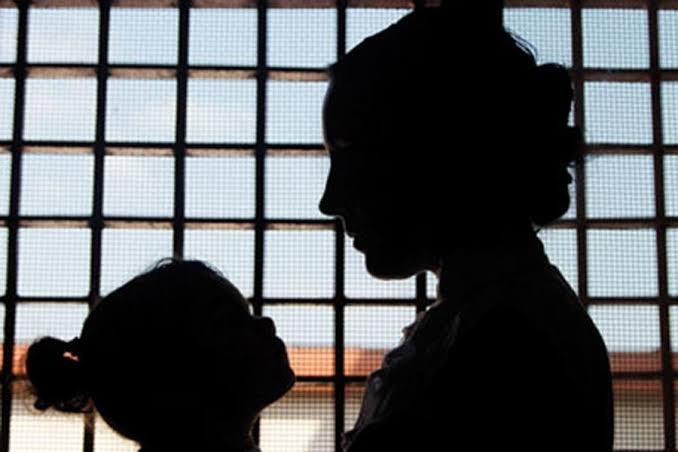
Some mothers imprisoned with their babies in Turkey said they avoided seeking medical care for their infants because prison staff would not allow them to accompany the babies to appointments, according to a report released Wednesday.
The report, titled “Vulnerable Behind Bars” and published by the Brussels-based human rights organization Solidarity with OTHERS, also examined the treatment of seriously ill and elderly prisoners, journalists, writers and political dissenters.
Prison staff took infants to routine pediatric checkups, vaccinations and medical consultations for illnesses, the report said.
The report drew on eight interviews conducted in 2026 with imprisoned and formerly imprisoned mothers, approximately 20 case files compiled in 2025 and 2026 and previously published findings by international monitoring bodies and Turkish human rights organizations.
The report did not identify the prisons involved or specify how many mothers had experienced the practice.
The organization said children living in prison with their mothers were not themselves prisoners and retained their own rights. Their mothers remain their legal guardians and primary caregivers.
The practice raised concerns under the UN Convention on the Rights of the Child, which protects children’s right to healthcare and requires their best interests to be taken into account, the organization said.
The organization called on Turkish authorities to amend prison regulations to guarantee that imprisoned mothers can accompany their children to medical appointments.
In reports published in October following visits in 2021 and 2024, the Council of Europe’s anti-torture committee said it had found mothers and children were being held in unsuitable prison conditions. Figures published in March by the Civil Society in the Penal System (CİSST) showed that 891 children under 6 were living with their mothers in Turkish prisons.
The organization described the practices documented in the report as a pattern of “deliberate neglect,” in which some prisoners were denied rights or services while authorities attributed the restrictions to administrative problems, shortages or other
institutional constraints. It said the restrictions amounted to targeted deprivation rather than routine bureaucratic delays.
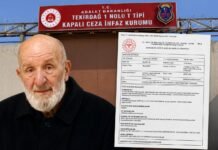
The report also examined inadequate medical care for seriously ill prisoners, citing Abdullah Tırpan, 73, who died on October 26 after repeated requests for release on medical grounds went unheeded, and Asuman Birinci, a teacher with severe anemia.
Among elderly prisoners, the report cited wheelchair-bound Erol Şengök, 89, whose request for a suspension of his prison sentence on health grounds was denied.
The report also cited columnist Ali Ünal, 71, who it said has been held in prolonged solitary confinement.