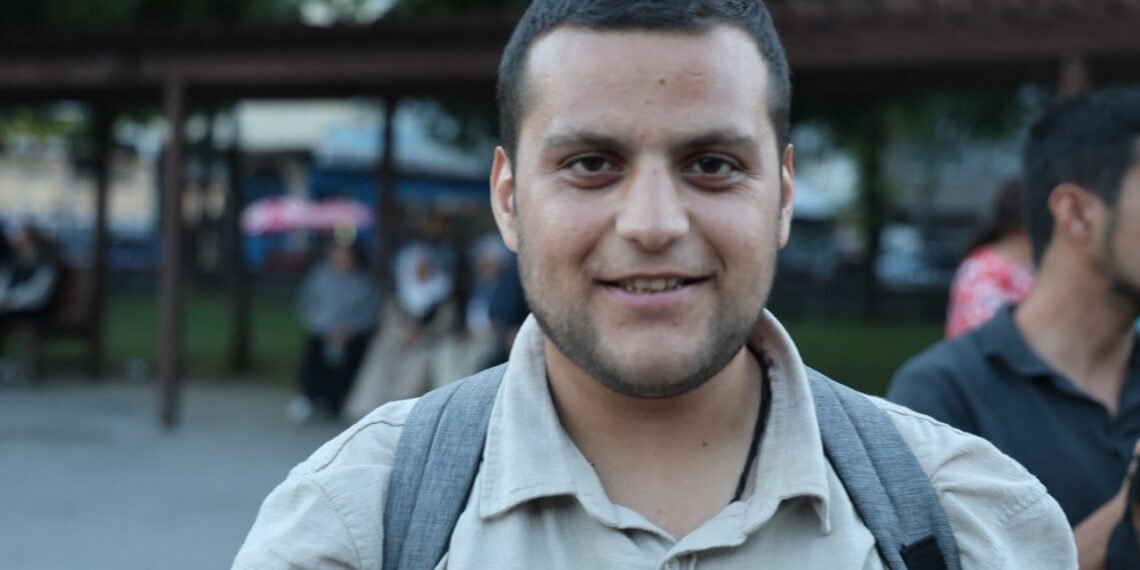
A Kurdish journalist was detained in İstanbul on terrorism-related accusations for his reporting on the alleged abduction of a member of a pro-Kurdish opposition party, after which he was released under judicial supervision, the Mezopotamya News Agency (MA) reported.
Police detained Fermandar Kardeş, a reporter for the pro-Kurdish Berû news agency, during a raid on his home on July 25 on accusations of membership in a terrorist organization and acting on its behalf. Officers seized his camera, computer, microphone and memory card.
Kardeş was held at the İstanbul Police Department for two days, during which authorities prevented him from meeting with his lawyer. He was then taken to the İstanbul Courthouse where a prosecutor questioned him about his report on Fırat Kovan.
Kovan, a member of the Peoples’ Equality and Democracy Party (DEM Party) Youth Assembly, said he was abducted in İstanbul’s Esenyurt district on July 15 by people identifying themselves as police officers. He said he was forced into a vehicle and taken to an isolated location, where he was assaulted and pressured to become an informant. He also accused them of threatening him and his family.
In his statement to the prosecutor Kardeş denied the accusations, saying the report was part of his journalistic work. The prosecutor referred him to a criminal magistrate of peace, which released him under judicial supervision, including a travel ban.
Turkey frequently brings terrorism-related charges against journalists and media workers, often alleging links to the outlawed Kurdistan Workers’ Party (PKK), which has waged a decades-long insurgency and is designated as a terrorist organization by Turkey and its Western allies.
Press freedom and human rights groups say such cases often rely on reporting activity, sources or published content rather than evidence of involvement in violence and are used to deter critical coverage of the Kurdish issue, a reference to demands for equal rights and recognition by the country’s Kurdish population.