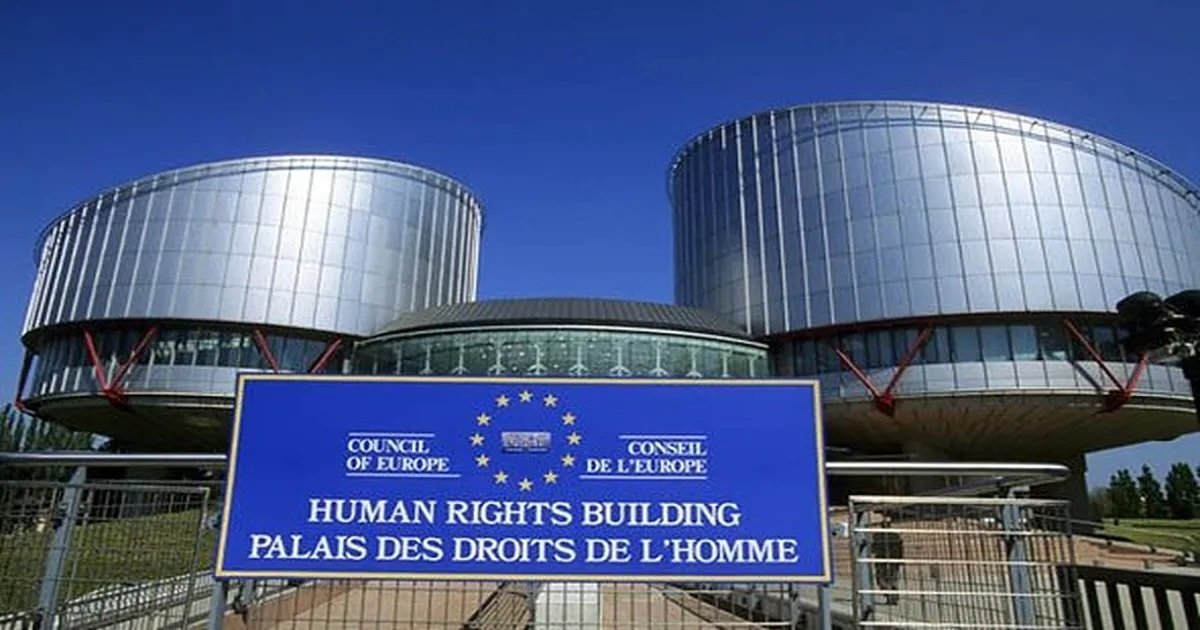
The European Court of Human Rights (ECtHR) has communicated questions to the Turkish government regarding applications submitted by a group of civil servants who alleged that their dismissals during the state of emergency declared after a coup attempt in 2016 violated their rights.
The court asked whether the dismissals violated the applicants’ right to respect for private life and whether the dismissals were in accordance with the law and sufficiently foreseeable. It also asked whether the dismissals and the lifetime ban on returning to public service were proportionate to their alleged acts.
The questions were communicated to the Turkish government on June 23 and made public on Monday.
The ECtHR also asked whether the applicants were provided with adequate procedural safeguards during the dismissal process and whether subsequent judicial review offered effective guarantees.
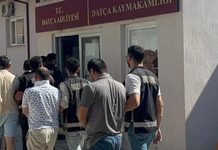
The applicants were civil servants, police and gendarmerie officers, as well as members of the judiciary and the armed forces, who were dismissed over alleged links to the faith-based Gülen movement and accusations of membership in a terrorist organization.
Turkish President Recep Tayyip Erdoğan has targeted the Gülen movement, a worldwide civic initiative inspired by the ideas of Muslim cleric Fethullah Gülen, who died in 2024, since corruption investigations in December 2013 implicated him as well as some members of his family and inner circle. He dismissed the probes as a Gülenist conspiracy and designated the movement as a terrorist organization in May 2016, intensifying a sweeping crackdown after the coup attempt in July of the same year that he accused Gülen of orchestrating. The movement denies involvement in the coup attempt or any terrorist activity.
The applications were filed by 23 individuals who allege violations of the right to a fair trial under Article 6 of the European Convention of Human Rights (ECHR) and the right to respect for private life under Article 8. Several applicants also alleged violations to their freedom of association under Article 11.
The applicants argued that their dismissals were based on vague and unforeseeable criteria, including alleged “affiliation” and “links” with terrorist organizations, and that lawful activities were later treated as grounds for dismissal despite not being prohibited at the time. They also said the lifetime ban on returning to public service was disproportionate.
The use of the ByLock messaging application was cited as grounds for dismissal in all 23 cases. ByLock, an encrypted messaging app that was once widely available on Apple’s App Store and Google Play, was alleged by Turkish authorities to have been used as a secret communication tool by Gülen supporters.
Other evidence cited by the Turkish authorities included witness statements, Bank Asya account activity, membership in associations and trade unions, fixed-line telephone records showing alleged sequential calls, children’s enrollment in certain schools, participation in organizational meetings or trips, and institutional assessments.
In 2023 the European Court of Human Rights ruled in a landmark case that convictions based on ByLock use and other alleged Gülen-linked activities, including having an account at Bank Asya, violated the rights to a fair trial, freedom from punishment without law and freedom of association.
The applicants also alleged that they lacked adequate procedural safeguards during the dismissal and judicial review processes, including access to oral hearings, and that the publication of their names in emergency decree annexes or on official websites violated their privacy and presumption of innocence. Some applicants further claimed that the use of labor union or association membership as grounds for their dismissal violated their freedom of association rights.
Former judges and prosecutors separately said their dismissals undermined judicial independence and violated protections against the removal of judges from office without due process.
Following the coup attempt, the Turkish government declared a state of emergency that remained in effect until July 19, 2018. During this period, the government carried out a purge of state institutions under the pretext of an anti-coup fight by issuing a number of government decrees. Over 130,000 public servants, including 4,156 judges and prosecutors, as well as more than 24,000 members of the armed forces were summarily removed from their jobs for alleged membership in or relationships with “terrorist organizations” by emergency decree-laws subject to neither judicial nor parliamentary scrutiny.
According to the latest figures from the justice ministry, more than 127,000 people have been convicted of alleged links to the movement since 2016, with 10,485 still in prison and legal proceedings ongoing against 83,404 individuals.