Personnel summoned to the Turkish Gendarmerie General Command headquarters in Ankara during a coup attempt on July 15, 2016, were lured into a trap, were under fire for hours and were later subjected to torture and deeply flawed prosecutions, according to a new documentary examining the events.
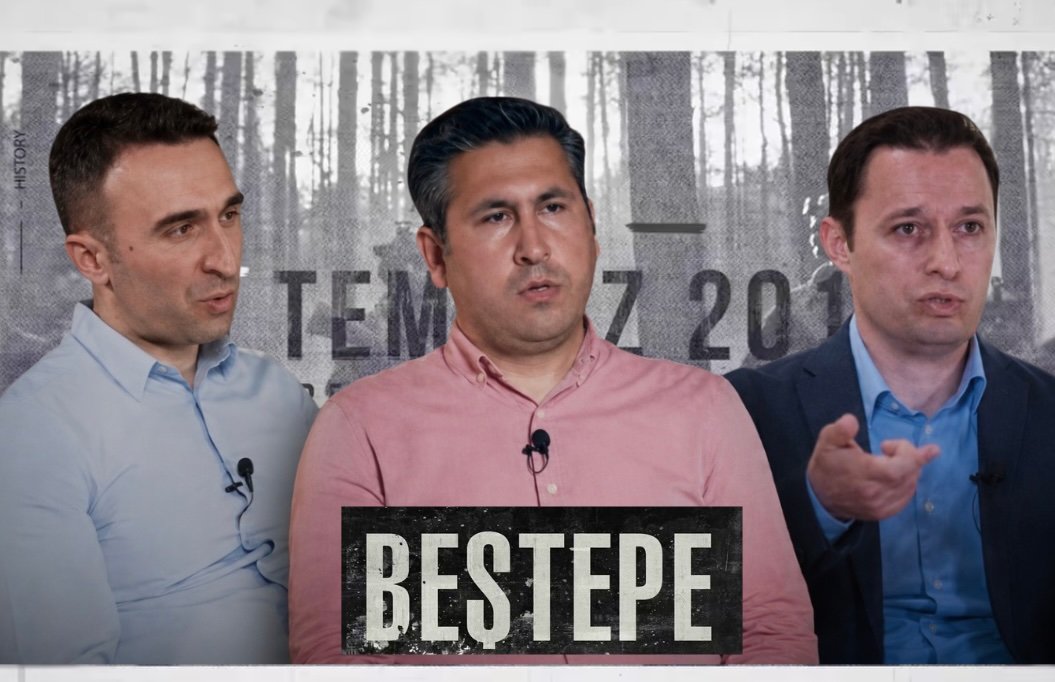
Titled “Beştepe” after the Ankara district that is home to both the gendarmerie headquarters and the presidential complex, the documentary was released ahead of the coup attempt’s 10th anniversary by Adalet Devriyesi (Justice Patrol), a YouTube channel run by former gendarmerie officers dismissed under post-coup emergency decrees. It draws on eyewitness interviews, courtroom testimony and case records to challenge the official account of what happened at the headquarters.
According to former officers interviewed in the documentary, personnel had been on heightened alert after a series of terrorist attacks in major Turkish cities, including the June 28 assault on İstanbul’s Atatürk Airport, just over two weeks before the coup attempt. They said many received warnings of a possible attack on their mobile phones on July 15 and reported to their assigned units in line with military protocol, unaware that they were being drawn into what the documentary describes as a prearranged scenario.
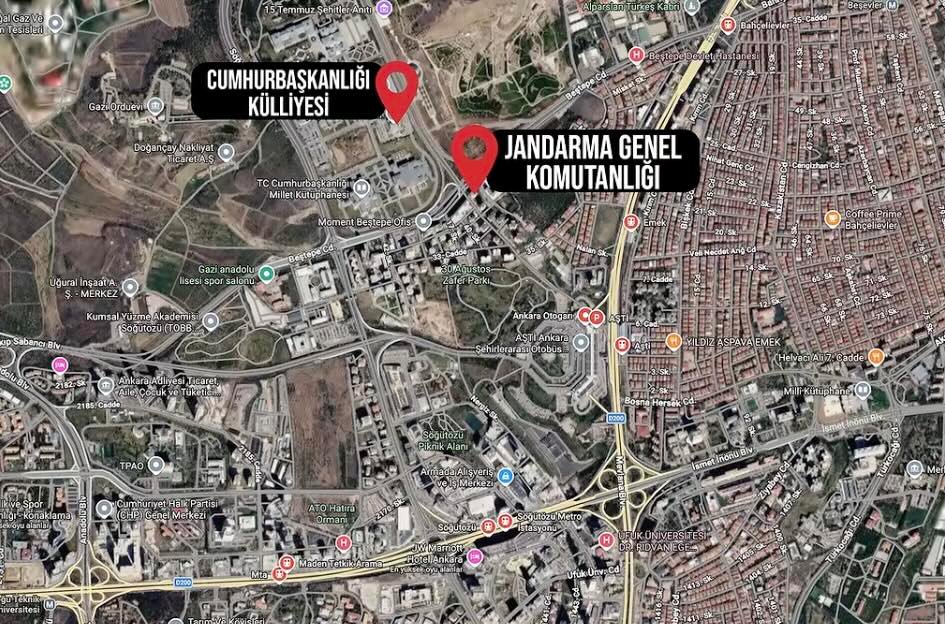
The gendarmerie command is located near a major junction next to the presidential complex, where civilians responding to government calls to resist the coup had gathered. Police and other armed units took positions around the gendarmerie headquarters, including in nearby buildings and wooded areas.
The former officers said the headquarters then came under sustained fire from outside, while civilians in the area were also struck by gunfire from different directions. Then-prime minister Binali Yıldırım later said he had instructed the Ankara gendarmerie regional commander to enter the compound and “shoot them all” after being informed of activity at the headquarters.
The following morning, personnel inside the headquarters began surrendering and were taken into custody. Capt. Yasin Özdemir was shot dead after walking out of the headquarters with his hands raised in response to calls to surrender, according to the documentary.
The personnel were later accused of taking part in the coup attempt and of firing on civilians gathered outside the compound, which Turkish authorities portrayed as a key operational center of the coup attempt.
The attempted coup killed 251 people and wounded more than 1,000. President Recep Tayyip Erdoğan immediately accused the faith-based Gülen movement, inspired by the late cleric Fethullah Gülen, of orchestrating the plot, an accusation the movement strongly denies.
By the following day, the government had moved against thousands of members of the judiciary and military. The country’s top judicial board suspended 2,745 judges and prosecutors, roughly one in five of those serving at the time, and authorities issued detention warrants for them, while two Constitutional Court members were also taken into custody. Thousands of military personnel, including senior officers and generals, were detained or put under investigation.
The documentary includes multiple accounts of torture after the staff surrendered, including detainees being stripped and beaten, forced to lie on broken glass and denied access to toilets for days. The former officers said conscripts were ordered to beat their commanders, including former Air Force commander Gen. Akın Öztürk, who was accused of being a key orchestrator of the coup attempt, and were offered water or access to toilets if they hit them harder.
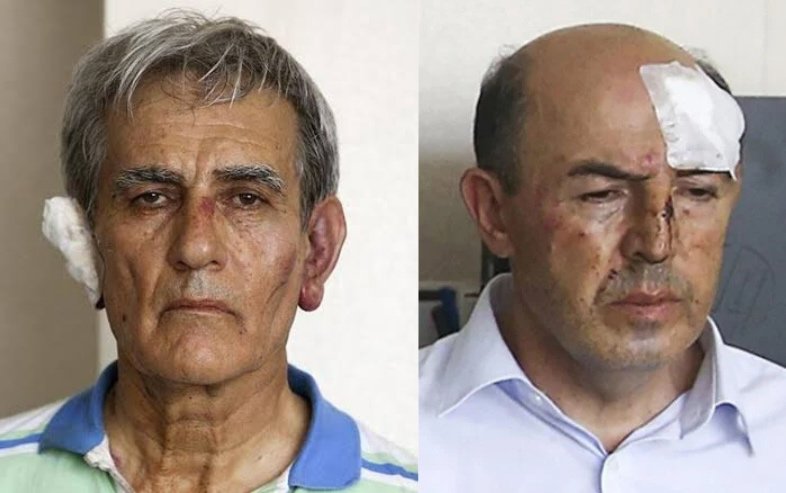
1st Lt. Osman Elmalıca, a military doctor who arrived at the headquarters in an ambulance and witnessed the conditions there, said he was blindfolded, beaten and threatened with rape and execution while in custody.
The former officers also recalled a female officer being forced to remain in her underwear in front of her husband and other male detainees. They said civilians were brought into detention facilities to beat detainees and that some detainees were taken away during the night.
Medical personnel were prevented from detailing signs of torture, according to the documentary. When defendants later tried to describe the abuse in court, judges stopped them from doing so, and their statements were removed from the official hearing records.
The subsequent judicial proceedings were marred by serious irregularities, including missing or withheld evidence, restrictions on defendants’ testimony and political pressure on judges. It says ballistic, autopsy and gunshot-residue reports showed that bullets recovered from civilians killed outside the compound did not match the defendants’ weapons, yet authorities failed to investigate the other armed groups operating in the area.
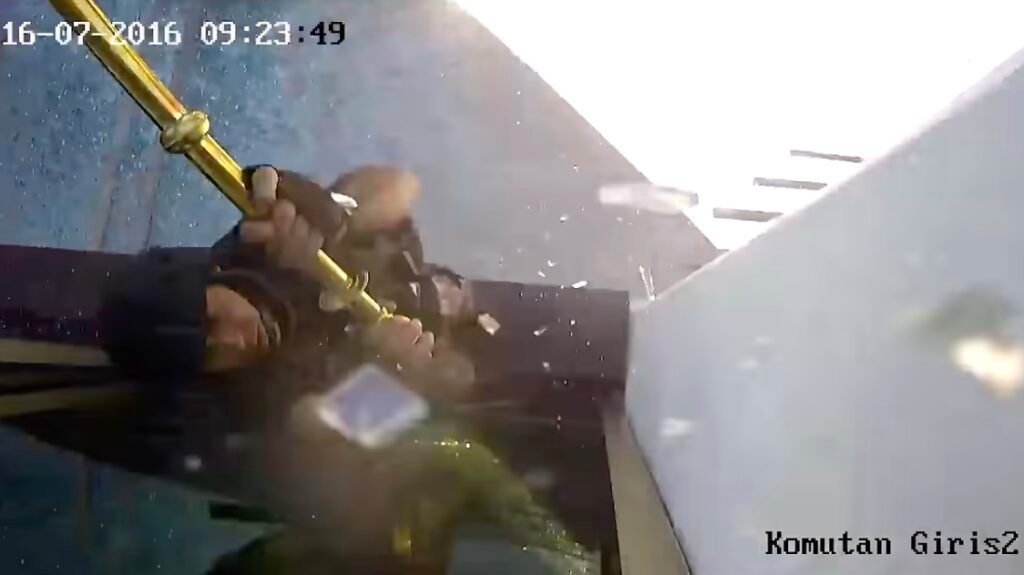
Key recordings that could have established who was firing around the compound were never produced. Footage from a traffic surveillance camera at the Beştepe junction and cameras on armored vehicles was not submitted to the court, while the main-gate recording system contained no footage from before July 29, meaning the events of July 15 were missing. Video shown in the film captures police officers damaging security cameras after entering the compound, while metadata indicated that some digital evidence had been modified after July 15.
The alleged interference continued throughout the trial. 1st Lt. Yaşar Tarım, who was responsible for security at Sincan Prison and witnessed the coup proceedings, said the presiding judge privately acknowledged that the court was under intense pressure after a defendant appeared to rebut every accusation against him. “If I showed you my WhatsApp messages, you wouldn’t believe it,” Tarım quoted the judge as saying. Of the 244 soldiers tried in the Beştepe case, 86 received aggravated life sentences and 35 were sentenced to life imprisonment.
The Beştepe case was one of 289 coup-related trials that have been concluded, with 4,891 people convicted. Of those, 1,634 received aggravated life sentences, 1,366 were sentenced to life in prison and 1,891 received sentences of varying lengths. Courts acquitted 2,870 defendants, while finding that 964 others had committed acts constituting a crime but required no sentencing. The Supreme Court of Appeals upheld the sentences in 224 of the concluded trials.
Five days after the coup attempt the government declared a state of emergency and launched a sweeping purge that led to the summary dismissal of more than 130,000 civil servants under emergency decrees, including 4,156 judges and prosecutors, as well as more than 24,000 members of the armed forces. Hundreds of media outlets, schools, associations and other institutions were also shut down without judicial review.
Critics of the official account argue that the events were staged as a false-flag operation by Erdoğan and allied factions within the state and military to implicate perceived opponents, weaken the armed forces and create a pretext for consolidating power.
The documentary also points to indications that senior military officials may have known more about the events before July 15 than they later acknowledged. Maj. Kadir Söylemez said military intelligence had reported frequent secret meetings among officers linked to Doğu Perinçek, leader of the ultranationalist Vatan Party, and warned that the group might be preparing some kind of action, possibly a coup. The information was conveyed to then-deputy chief of the Turkish General Staff Gen. Yaşar Güler, now the defense minister, who according to Söylemez, responded, “We passed that stage long ago.”