A former Turkish teacher imprisoned over alleged links to the Gülen movement has spoken publicly for the first time about losing his wife and 3-year-old son in a failed attempt to flee Turkey, describing a tragedy that was followed by over six years in prison and a legal battle that has reached Europe’s top human rights court.
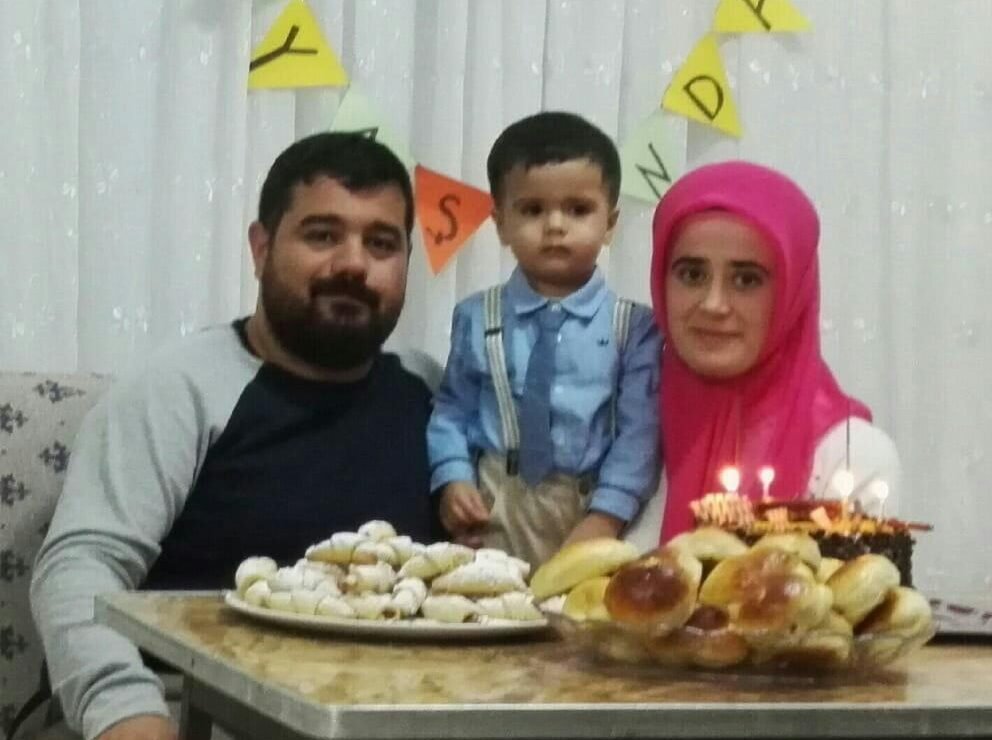
Hasan Aksoy, a former literature teacher dismissed from public service after a coup attempt in Turkey in 2016, said his wife and son were among seven people who died when an overcrowded boat carrying migrants sank in the Aegean Sea in July 2018 as they tried to reach the Greek island of Lesbos.
Aksoy said he was detained after surviving the sinking and later sentenced to more than 10 years in prison on terrorism-related charges linked to alleged ties to the Gülen movement.
Turkish President Recep Tayyip Erdoğan has targeted followers of the Gülen movement, inspired by the late Muslim cleric Fethullah Gülen, since corruption investigations in December 2013 implicated him as well as some members of his family and inner circle. He dismissed the probes as a Gülenist conspiracy and later designated the movement a terrorist organization in May 2016, intensifying a sweeping crackdown after the coup attempt in July of the same year that he accused Gülen of orchestrating. The movement denies involvement in the attempted coup or any terrorist activity.
In an interview published by the TR724 news website, Aksoy described spending nearly two years in hiding after being dismissed from his teaching post, the fatal sea crossing that killed his family and the 79 months he spent behind bars before being released in February 2025.
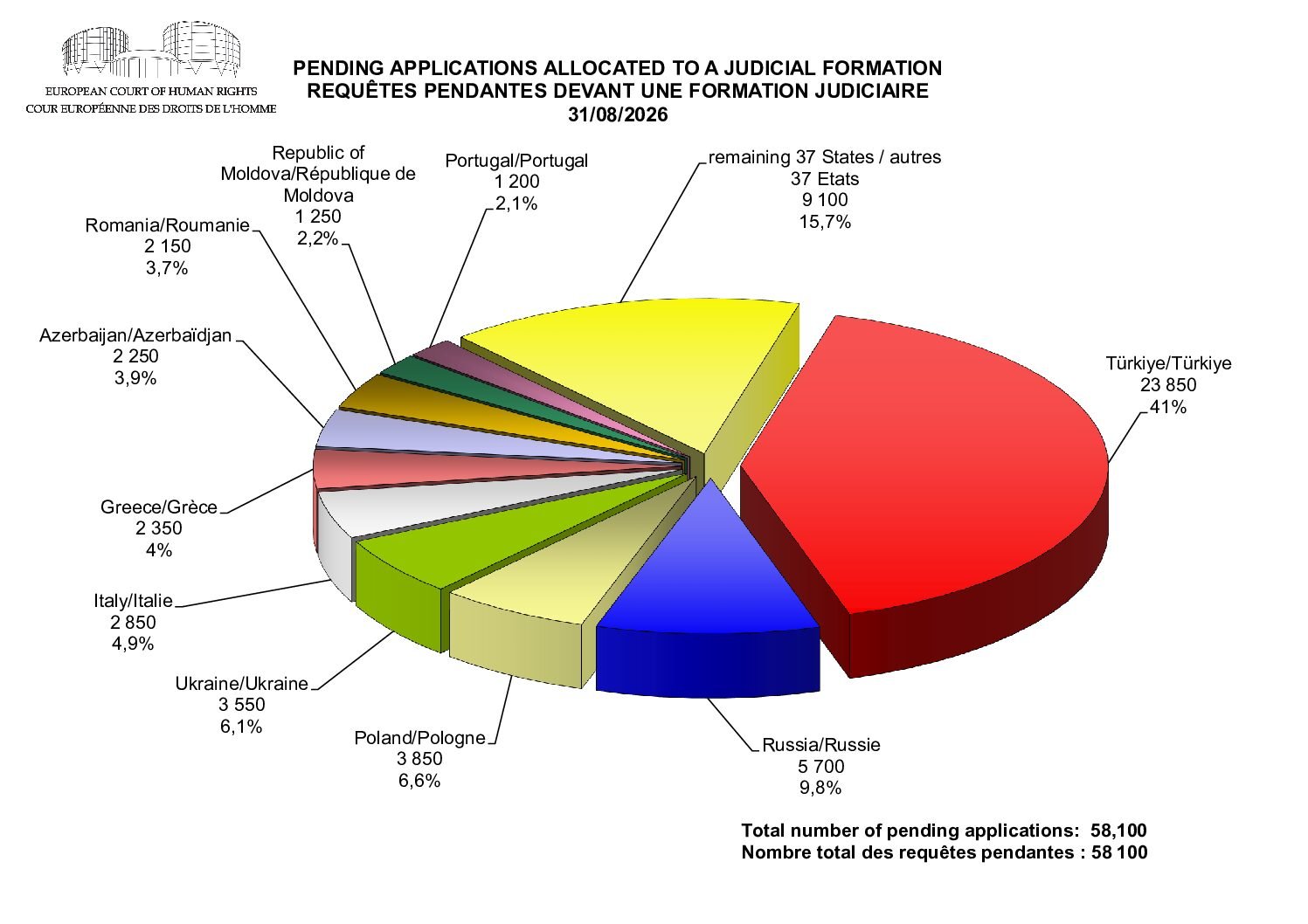
His case is now before the European Court of Human Rights (ECtHR), where he argues that his conviction violated his right to a fair trial and punished him for acts that were not clearly crimes at the time.
The interview offers a rare first-person account from a survivor of one of the best-known maritime tragedies involving families accused of links to the Gülen movement during the sweeping crackdown that followed the coup attempt.
Aksoy said he was working as a literature teacher in the northern province of Bartın when he was suspended and later dismissed under an emergency decree issued after the abortive putsch.
Following the failed coup the Turkish government declared a state of emergency (OHAL) that remained in effect until July 19, 2018. During this period, the government carried out a purge of state institutions under the pretext of an anti-coup fight by issuing a number of government decrees, known as KHKs. Over 130,000 public servants, including 4,156 judges and prosecutors, as well as more than 24,000 members of the armed forces were summarily removed from their jobs for alleged membership in or relationships with “terrorist organizations” by emergency decree-laws subject to neither judicial nor parliamentary scrutiny.
According to Aksoy, he and his family moved to the Mediterranean city of Mersin after losing their income and spent nearly two years living in hiding to avoid imprisonment while he worked temporary jobs to support them.
He said the family eventually decided to leave Turkey because they saw no prospect of rebuilding their lives and feared arrest.
On July 28, 2018, Aksoy, his wife Sena and their son Yusuf Baha boarded a small inflatable boat departing from Turkey’s western coast near Ayvalık. The vessel was carrying 16 people, including several children.
The boat capsized late that night.
Aksoy said passengers contacted Turkish authorities after the vessel overturned and remained alive in the water for a period while waiting for help. He alleged that rescue efforts were delayed despite repeated emergency calls, an allegation that could not be independently verified.
As passengers struggled to stay afloat, Aksoy said his wife urged him to focus on saving their son.
He spent nearly an hour holding the child above the water before realizing the boy had died.
His wife was also among those who perished.
The capsizing became one of several highly publicized tragedies involving Turkish citizens attempting to leave the country in the years following the coup attempt, as some people accused of links to the Gülen movement sought refuge abroad.
Aksoy said he was taken into custody shortly after reaching shore.
He alleged that police officers pressured him during questioning to provide information about other suspected movement members and warned that he would not be allowed to attend the funerals of his wife and son if he refused.
A court subsequently ordered his arrest.
Despite appeals by rights advocates and opposition lawmakers, Aksoy said he was not permitted to attend the funeral of his wife and son, who were buried in northern Turkey.
He was later convicted on charges that, according to his account, relied on evidence including alleged use of the encrypted messaging application ByLock, an account at the now-defunct Bank Asya, phone records and participation in religious discussion groups.
Since the coup attempt in 2016, the Turkish government has accepted such activities as having an account at now-shuttered Bank Asya, one of Turkey’s largest commercial banks at the time; using the ByLock messaging application, an encrypted messaging app that was available on Apple’s App Store and Google Play; and subscribing to the now-shut-down Zaman daily or other publications affiliated with members of the movement as benchmarks for identifying and arresting alleged followers of the Gülen movement on charges of membership in a terrorist organization.
Such evidence has been the subject of legal challenges before Turkish and international courts.
During his imprisonment Aksoy said he suffered from depression, panic attacks and recurring trauma linked to the death of his wife and son.
He was released from prison on February 25, 2025, after serving 79 months.
Aksoy said he later faced additional questioning by authorities and eventually left Turkey for Germany, where he now lives.
In the interview he said he decided to speak publicly because he wanted the death of his wife, son and others who died attempting to leave Turkey during the post-coup crackdown to be remembered.
“My purpose in telling this story is to ensure that what happened is not forgotten and is recorded for history,” he said.