Turkish courts sentenced six journalists to a combined seven-and-a-half years in prison during the second quarter of 2026, according to a media monitoring report published Friday.
The six journalists were convicted of charges including publicly disseminating misleading information, insulting judicial institutions, violating the confidentiality of an investigation and spreading propaganda for a terrorist organization. Three of the sentences were suspended.
The BİA Media Monitoring Report by the Bianet news website tracks prosecutions, detentions, physical attacks, censorship and regulatory action affecting journalists in Turkey.
T24 columnist Tolga Şardan received a suspended five-month sentence for allegedly insulting judicial institutions in an article about a purported report by Turkey’s National Intelligence Organization (MİT) concerning the judiciary.
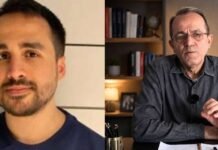
Investigative journalists Barış Pehlivan and Murat Ağırel were each sentenced to 15 months in prison under Turkey’s law criminalizing the public dissemination of allegedly misleading information. The charges arose from comments they made during a program on Halk TV.
Journalist Timur Soykan received a suspended 10-month sentence for violating the confidentiality of an investigation. BirGün columnist Zafer Arapkirli was sentenced to two-and-a-half years under the misleading-information law over a social media post about attacks on Alawites in Syria.
Erdoğan Alayumat received a suspended 15-month sentence on a charge of spreading propaganda for a terrorist organization.
The report said the use of pretrial detention against journalists also continued. It cited the imprisonment of Kaos GL editor Yıldız Tar ahead of a NATO summit in Ankara and cases involving BirGün reporter İsmail Arı, Aydınpost editor Yelis Ayaz and DW Türkçe reporter Alican Uludağ, who were later released.
TELE1 editor-in-chief Merdan Yanardağ had spent more than eight months in pretrial detention in a case involving allegations of political espionage, the report said.
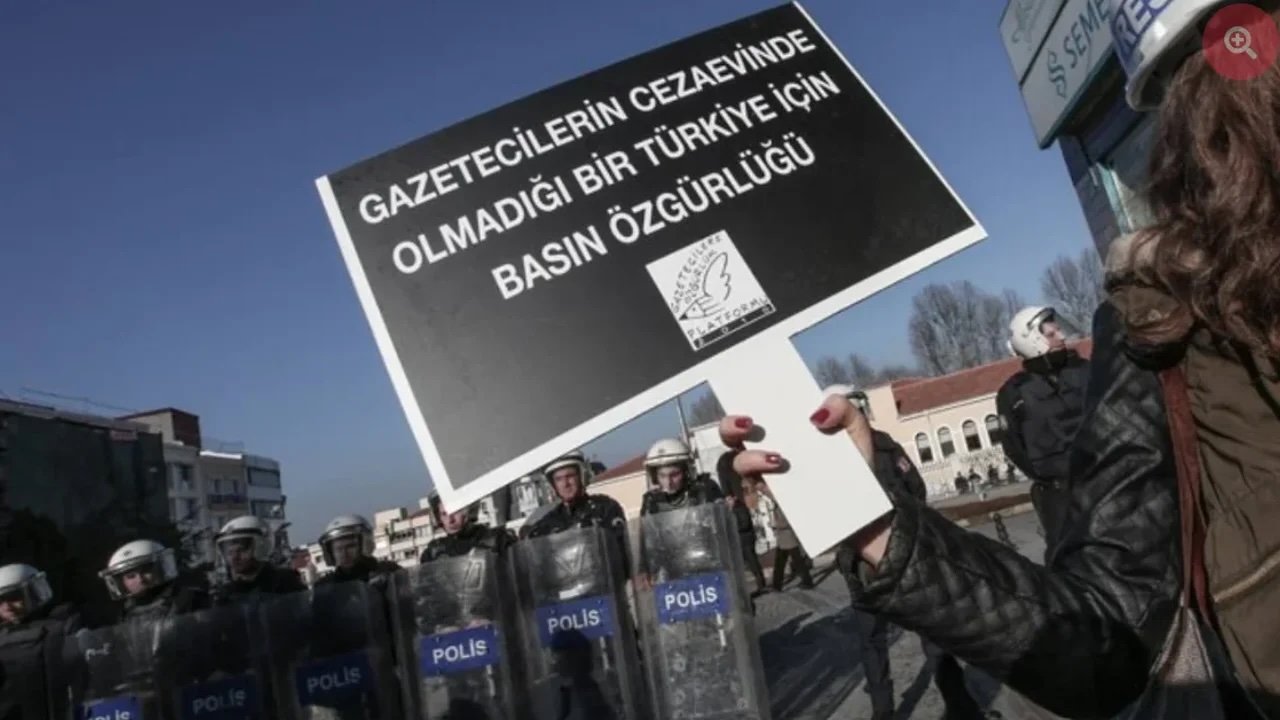
At least five journalists were detained by police during the quarter. Three of them — Müberra Ünsal, Yusuf Çelik and Doğa Tekneci — were taken into custody while covering LGBTQ+ Pride Week and related events.
The report said police beat pro-Kurdish Mezopotamya Agency reporter Sema Bingöl while detaining her as she covered a commemoration in Ankara for Ethem Sarısülük, a protester killed during Turkey’s 2013 anti-government demonstrations.
At least five journalists were attacked or physically obstructed, including three during incidents outside the headquarters of the main opposition Republican People’s Party (CHP).
A police officer also sprayed tear gas at close range toward the face of Kısa Dalga reporter Gülseren Özkan as she covered May Day demonstrations. Journalist Erhan Gülenç said he was threatened after publishing footage of businessman Rahmi Koç telling a controversial joke referring to a Kurdish woman and that an executive pressured him to remove the video.
The office of the İzmir-based İz Gazete newspaper was also damaged in an attempted break-in, according to the report.
The report separately documented restrictions on X accounts belonging to journalists, media outlets and organizations covering LGBTQ+ issues.
At least 16 journalists and cartoonists faced trials carrying possible sentences of up to four years, eight months for allegedly insulting President Recep Tayyip Erdoğan.
More than 250 journalists have faced prosecution under the provision since Erdoğan became president in 2014, and at least 80 have received prison sentences or fines, the report said.
Turkey’s broadcasting regulator also imposed three fines totaling about 1.1 million Turkish lira ($23,233) on television stations over news and current affairs programming during the quarter.
Turkey, which remains one of the world’s leading jailers of journalists, according to press freedom organizations, dropped to 159th out of 180 countries in the 2025 World Press Freedom Index, published by Reporters Without Borders (RSF) in early May.