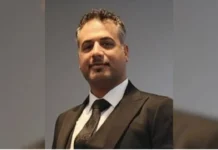
A Turkish court on Thursday convicted human rights lawyer Nurcan Kaya on charges of membership in an armed terrorist organization, sentencing her to six years, two months in prison in a case that has attracted scrutiny from legal observers and rights advocates.
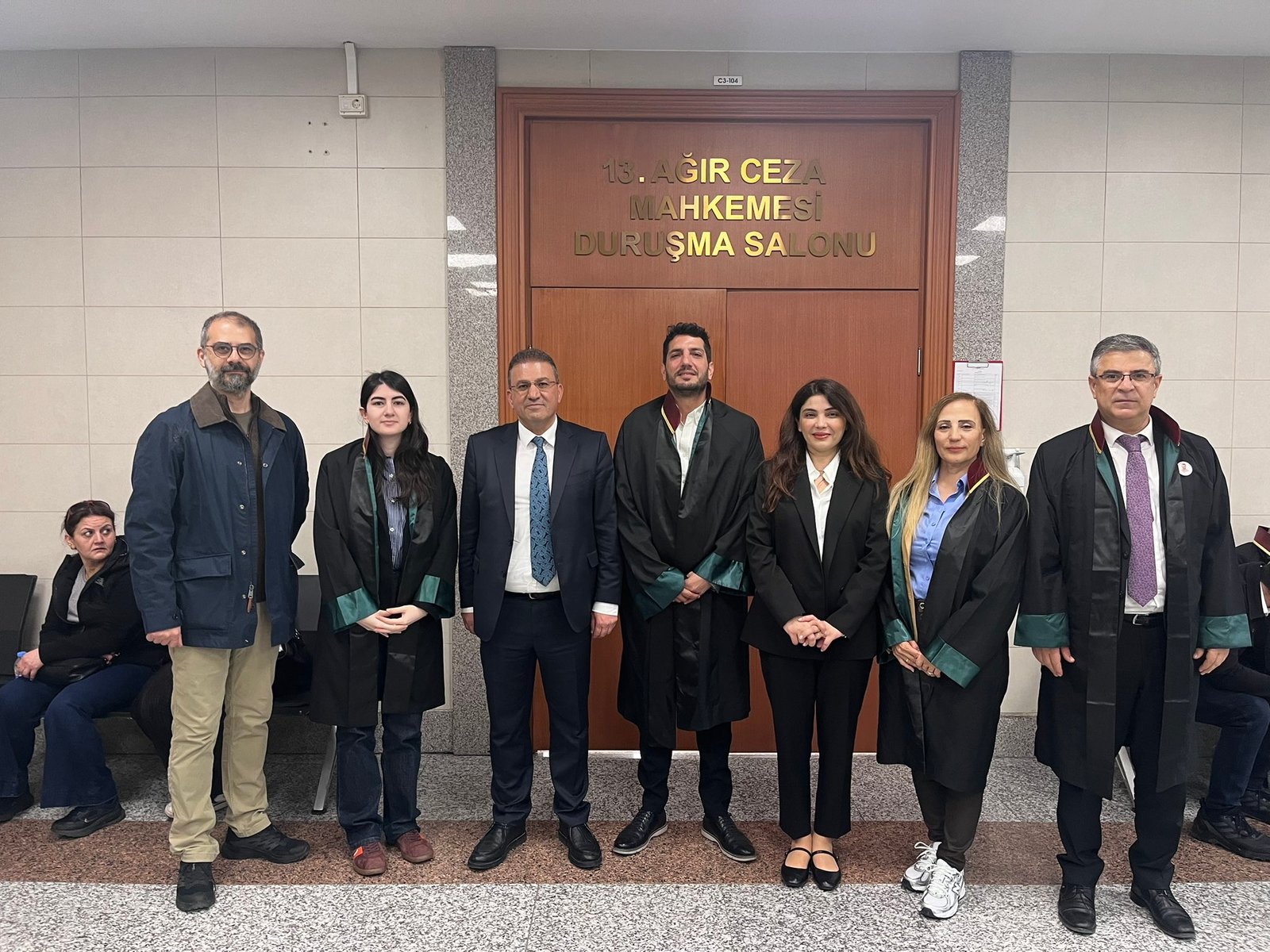
According to the İlke TV news website, the ruling was issued by the Istanbul 13th High Criminal Court, which handles terrorism and other serious criminal cases, following a final hearing attended by representatives from legal groups, including the Media and Law Studies Association (MLSA), a nonprofit that frequently provides legal support in freedom of expression and fair trial cases.
The court ruled that a separate charge related to financing terrorism did not require an additional penalty because it fell within the scope of the membership conviction.
Kaya, who has worked extensively on women’s rights, minority protections and anti-discrimination, denied the charges. She has previously worked with both Turkish and international human rights organizations and academic institutions and is known in legal circles for her research and advocacy.
“There is no concrete evidence,” Kaya told the court, arguing that the case relied on selective and misleading interpretations of phone records. She said searches of her home and office, restrictions on access to a lawyer during detention and months of house arrest had negatively affected her health and career.
The case dates back to 2025, when Kaya was detained on February 18 as part of a nationwide investigation targeting the Peoples’ Democratic Congress (HDK), a coalition of left-leaning political and civil organizations that authorities have accused of links to the outlawed Kurdistan Workers’ Party (PKK), which is designated as a terrorist organization by Turkey and its Western allies.
The operation led to the detention of dozens of people, including politicians, journalists and artists, across multiple provinces.
Under Turkey’s broad counterterrorism legislation, membership in an armed terrorist organization can be prosecuted based on a range of alleged links, including communications, associations or financial transactions. Critics say the laws have been interpreted expansively in some cases, allowing indirect contacts or activities to be treated as evidence.
Kaya denied accusations of membership in an armed organization, saying she had no affiliation with the HDK and that all of her contacts were part of legitimate professional work, including legal counseling, research and writing.
Her defense team, led by lawyer Veysel Ok, argued that the prosecution failed to present substantiated evidence and instead repeated earlier claims without justification. Ok said key evidence cited in the indictment, including audio recordings, had been destroyed under data retention procedures and therefore could not be independently examined by the defense or the court.
Part of the accusations also centered on a donation Kaya made to the Rojava Association, a legally registered group. Defense lawyers argued that supporting a lawful organization could not constitute financing terrorism, while prosecutors treated the transaction as indicative of alleged organizational links.
Observers at the hearing included bar association officials and legal experts. Abdulkadir Güleç, head of the Diyarbakir Bar Association, said Kaya’s professional activities had been “portrayed as criminal acts.” Another defense lawyer, Didare Hazal Sümeli, said the investigation should have required prior authorization from the Justice Ministry under Turkish law because it concerned alleged acts carried out in a legal capacity, a safeguard intended to protect lawyers’ professional independence.
Defense lawyers also said Kaya was denied timely access to legal counsel during detention and that searches of her home and office were conducted in ways that violated procedural safeguards. They argued such irregularities undermined the legitimacy of the investigation.
The case comes amid ongoing concerns raised by organizations such as Amnesty International and Human Rights Watch, which have documented similar prosecutions of lawyers, journalists and civil society figures in Turkey.