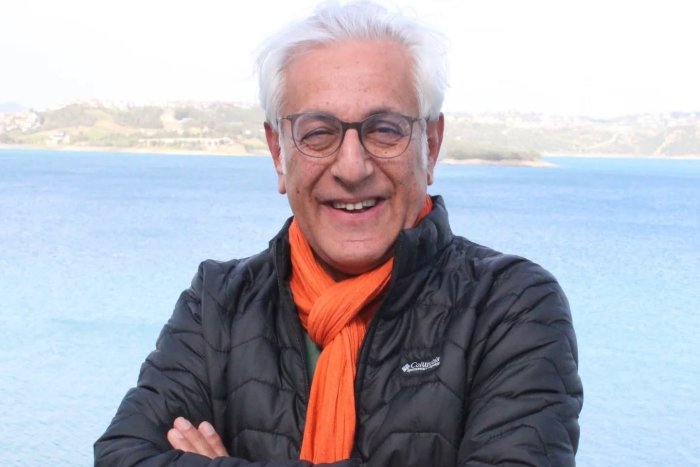
Turkey’s Social Security Institution (SGK) has denied a retirement payout to a civil servant dismissed after a 2016 coup attempt, despite Constitutional Court rulings in similar cases finding rights violations, highlighting continued financial penalties tied to purge status.
According to the TR724 news website Güven Boğa, who worked in public service for more than 26 years, was dismissed under Decree Law No. 677 and later qualified for a state pension in 2020. While he began receiving monthly payments, he was denied the lump-sum retirement bonus typically granted to public employees.
In 2025 Boğa applied to the SGK, citing rulings by the Constitutional Court that found violations of the principle of non-discrimination in comparable cases involving dismissed workers.
The agency rejected his request, arguing that current legislation bars retirement bonuses for individuals dismissed by decree whose pensions are calculated through a combination of public and private sector service.
Boğa’s pension was based on more than 21 years in public service and additional time in the private sector, which authorities said disqualified him from receiving the bonus.
Ankara’s 4th Administrative Court upheld the decision, ruling that the denial complied with existing legislation. The court also said Constitutional Court rulings do not have binding force in all cases.
Boğa and his lawyer, Selma Çiçekci, said the decision amounts to discrimination, arguing that the retirement bonus is an earned right tied to years of service.
Following the coup attempt, the Turkish government declared a state of emergency (OHAL) that remained in effect until July 19, 2018. During this period, the government carried out a purge of state institutions under the pretext of an anti-coup fight by issuing a number of government decrees, known as KHKs. Over 130,000 public servants, including 4,156 judges and prosecutors, as well as more than 24,000 members of the armed forces were summarily removed from their jobs for alleged membership in or relationships with “terrorist organizations” by emergency decree-laws subject to neither judicial nor parliamentary scrutiny.
Many of those dismissed were accused by Turkish authorities of links to the faith-based Gülen movement. Turkish President Recep Tayyip Erdoğan has targeted followers of the Gülen movement, inspired by the late Muslim cleric Fethullah Gülen, since corruption investigations in December 2013 implicated him as well as some members of his family and inner circle. He dismissed the probes as a Gülenist conspiracy and designated the movement as a terrorist organization in May 2016, intensifying a sweeping crackdown after the coup attempt in July of the same year that he accused Gülen of orchestrating. The movement denies involvement in the failed coup or any terrorist activity.
Former public servants were not only fired from their jobs but also banned from working again in the public sector and obtaining a passport to seek employment abroad. The government also made it difficult for them to work formally in the private sector. Notes were put on the social security database about dismissed public servants to deter potential employers.
As a result, many purge victims have had to work in uninsured jobs with very little workplace safety. There have also been several cases where former public servants have died due to occupational accidents in physically demanding jobs.
In recent years, some of the people fired have been reinstated, yet this process has often come too late. Numerous cases have surfaced where dismissed individuals, facing severe emotional and financial strain, have died by suicide or otherwise passed away before their reinstatement.