A Turkish court has acquitted three public officials and sentenced three others to prison in a case examining the role of municipal officials in the collapse of a hotel during earthquakes in 2023 that killed dozens of people, including members of a youth volleyball team from northern Cyprus, Turkish Minute reported, citing BBC Turkish edition.
Devastating 7.8 and 7.5-magnitude earthquakes struck Turkey on February 6, 2023, claiming over 53,000 lives and leaving millions homeless in 11 provinces in the country’s south and southeast.
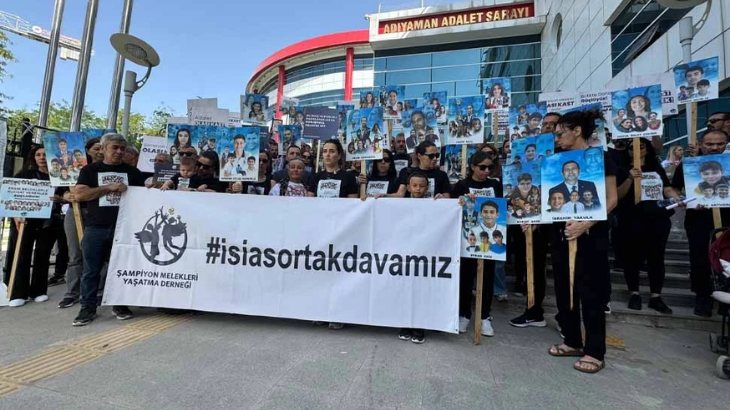
The Isias Hotel in Adıyaman province collapsed, killing 72 people, including 24 students, nine teachers and parents from the Turkish Republic of Northern Cyprus (KKTC) who had flown to Adıyaman to attend a student volleyball tournament. Only four people from the KKTC survived.
It was the biggest single tragedy in the history of the KKTC, which is recognized only by Ankara.
At the third hearing of the trial in Adıyaman, the court acquitted three defendants while sentencing Adıyaman Deputy Mayor Osman Bulut, zoning director Mehmet Salih Alkayış and licensing office chief Bilal Balci to 10 years in prison each for “causing the death and injury of multiple people through conscious negligence.”
An expert report presented earlier in the trial found that Bulut, Alkayış and Balcı bore responsibility for approving permits and zoning decisions related to the hotel, while other defendants, including a building control officer and technicians, denied wrongdoing. A complaint filed against the mayor in office at the time was rejected during the investigation.
Despite the prison sentences, the court did not order the detention of the three officials, instead putting them under judicial supervision, a decision that drew criticism from victims’ families and lawyers.
Hasan Esendağlı, president of the Turkish Cypriot Bar Association, said the verdict would be appealed, adding that the court had failed to explain why the convicted officials were not taken into custody, according to the Kıbrıs Postası newspaper.
Families of the victims had sought prison sentences and detention for the public officials on charges of possible intent, arguing that the building’s deficiencies were known and ignored. Prosecutors instead pursued charges of conscious negligence, a lesser offense under Turkish law.
In a separate case concluded in December, the hotel’s owners and construction professionals were convicted on similar charges. Owner Ahmet Bozkurt was sentenced to 17 years and 17 months in prison, while his son, Mehmet Fatih Bozkurt, received 15 years and 28 months. The hotel’s architect and engineer were also handed lengthy prison terms.
The court rejected requests to merge the cases against the hotel’s owners and the public officials, a decision that victims’ families have criticized as undermining full accountability.
The Isias Hotel case has become one of the most closely watched trials stemming from the February 6 earthquakes.
Rights groups have repeatedly warned that legal barriers to prosecuting public officials risk leaving systemic failures unaddressed and perpetuating impunity.
The investigation and prosecution of public officials in Turkey for crimes committed in the course of their duties is subject to a law requiring state government authorities, depending on the status of the individual in question, to grant permission for the process to start.
Prosecutors have no right to proceed with an investigation without this permission, regardless of the amount or quality of evidence implicating a public official in a crime. They must first send the evidence recommending criminal investigation to the relevant administrative authority, which will then conduct a pre-investigation of its own to determine whether to give the prosecutor permission to proceed.
The students who were killed in the earthquake are remembered as “champion angels” in the KKTC. Their families have established an association of the same name to pursue legal battles and run various projects on behalf of their children.