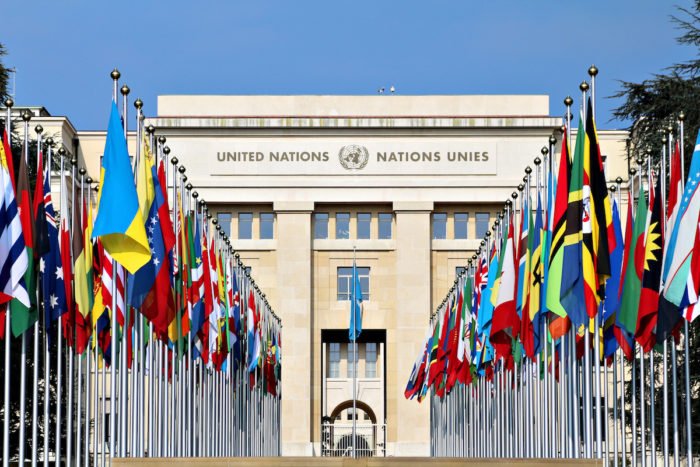
Three United Nations human rights experts including a special rapporteur have expressed serious concern over proposed legislation in Turkey that they say could criminalize LGBT identities, restrict gender-affirming healthcare and ban representations of same-sex relationships in media, schools and on online platforms.
In a follow-up letter dated November 7 and recently made public, the experts reiterated concerns raised in an earlier communication sent in June, to which the Turkish government has not responded to.
Ana Brian Nougrères, the UN special rapporteur on the right to privacy; Graeme Reid, independent expert on protection against violence and discrimination based on sexual orientation and gender identity; and Claudia Flores, chair-rapporteur of the Working Group on discrimination against women and girls, said the proposals appear incompatible with Turkey’s obligations under international human rights law.
The proposal, known as the 11th Judicial Package, would amend Article 225 of the Turkish Penal Code, which currently covers public indecency. Under the bill, anyone who “acts against their biological sex” or “encourages or praises such behavior” could face between one and three years in prison. Another article would criminalize engagement or marriage ceremonies between same-sex couples, carrying sentences of up to four years. The maximum penalty for sexual acts performed in public would also increase from one year to three.
The legislation could also affect digital and broadcast media, including streaming platforms that feature same-sex relationships in films or series. Such content could be prosecuted for “encouraging behavior contrary to public morals,” according to the bill’s wording.
The amendment could in addition allow criminal charges against civil society groups supporting sexual and gender minorities as well as media outlets and journalists reporting on gender‑identity or sexual‑orientation issues.
The UN officials questioned the necessity and proportionality of the criminal sanctions and asked the Turkish government to explain its legislative process, noting the absence of human rights impact assessments or consultations with civil society.
The experts also sought clarification on whether the proposed changes are compatible with international principles of equality and freedom of expression. They further questioned the rationale behind criminalizing symbolic same-sex ceremonies and public representations of LGBT identities and asked the government to justify the proposed criminal penalties, including the criteria used to set their severity and safeguards against discriminatory enforcement.
The Turkish government has previously defended similar measures as necessary to protect public morality and the traditional family structure, which Erdoğan has elevated during 2025 — declared the “Year of the Family” — amid growing concern over Turkey’s declining birth rate.
Human rights organizations have condemned the proposals. In October, Human Rights Watch called the draft judicial package “one of the most alarming rollbacks” of LGBT rights in decades.
The communication will be included in the UN’s next report to the Human Rights Council. Turkey, a NATO member and Council of Europe state, has faced ongoing international criticism over LGBT rights, with Pride events banned in major cities since 2015.