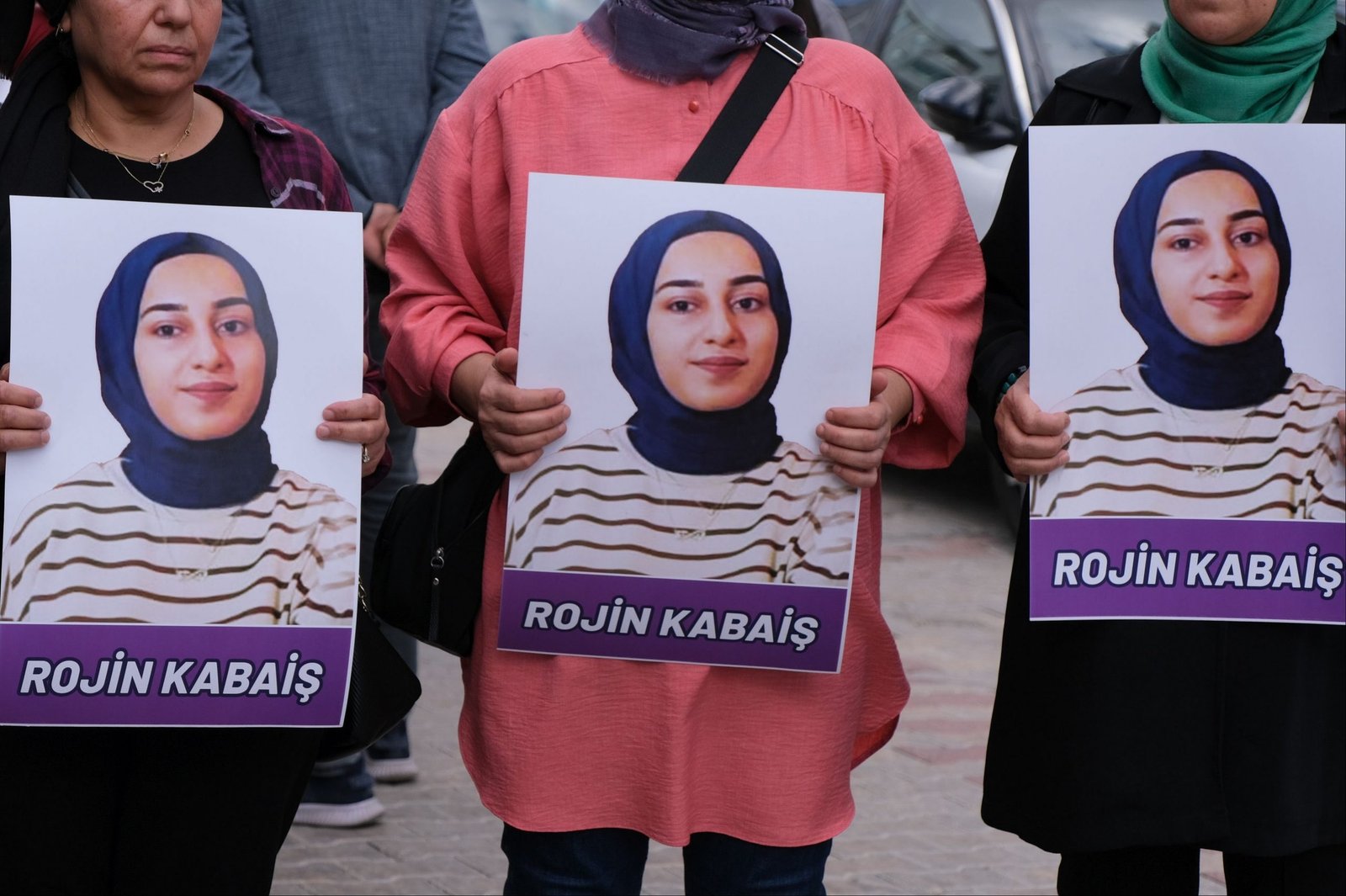
United Nations special rapporteurs have criticized an investigation into the suspicious death of university student Rojin Kabaiş and voiced concern over a Turkish law allowing early release for people convicted of violence against women.
In a letter dated February 4 and made public on Monday, Reem Alsalem, the UN special rapporteur on violence against women and girls, and Morris Tidball-Binz, the special rapporteur on extrajudicial, summary or arbitrary executions, cited conflicting forensic findings, alleged pressure on Kabaiş’s family and the involvement of a university rector in the autopsy. They also noted that the ruling Justice and Development Party (AKP) and its ally, the Nationalist Movement Party (MHP), rejected a proposal to establish a parliamentary commission to examine the case.
Kabaiş, a 21-year-old student at Van Yüzüncü Yıl University, went missing after leaving her dormitory on September 27, 2024. Her body was found 18 days later on the shore of Lake Van, nearly 18 kilometers from where she disappeared.
The initial autopsy report cited asphyxiation as the cause of death and found two male DNA samples on her body, while a later report from the Council of Forensic Medicine (ATK), released 10 months later following public scrutiny, confirmed that the DNA traces were located on Kabaiş’s chest and vaginal area, intensifying the suspicions of sexual assault.
The rapporteurs called on the Turkish government to ensure effective investigations into all killings of women in line with international human rights standards.
Referring to broader concerns about a lack of genuine political will to reduce impunity, the rapporteurs also criticized provisions in the 11th Judicial Reform Package that allow early release for individuals convicted of crimes such as cruelty, incitement to suicide, assault, aggravated assault and sexual harassment.
They warned that the measures could have harmful consequences, sending a message that violence against women is treated as less serious than other crimes.
The rapporteurs also urged the authorities to explain the confidentiality order on the investigation file, clarify why the university rector was involved in the autopsy and ensure protection for Kabaiş’s family as well as the independence and transparency of the ATK.
Femicides and violence against women are chronic problems in Turkey, where women are killed, raped or beaten almost every day. The We Will Stop Femicide Platform (KCDP) reported 294 femicides and 297 suspicious deaths in 2025.
Women’s rights organizations have for years been trying to raise awareness about the rise in violence against women over the last two decades. Many critics say the main reason behind the situation is the policies of the AKP government, affording impunity to violent and abusive men.