A Turkish prosecutor has sought prison sentences of up to 10 years for seven people, including five journalists,over their published work, arguing that their articles and freelance payments amounted to aiding a terrorist organization, the Bianet news website reported.
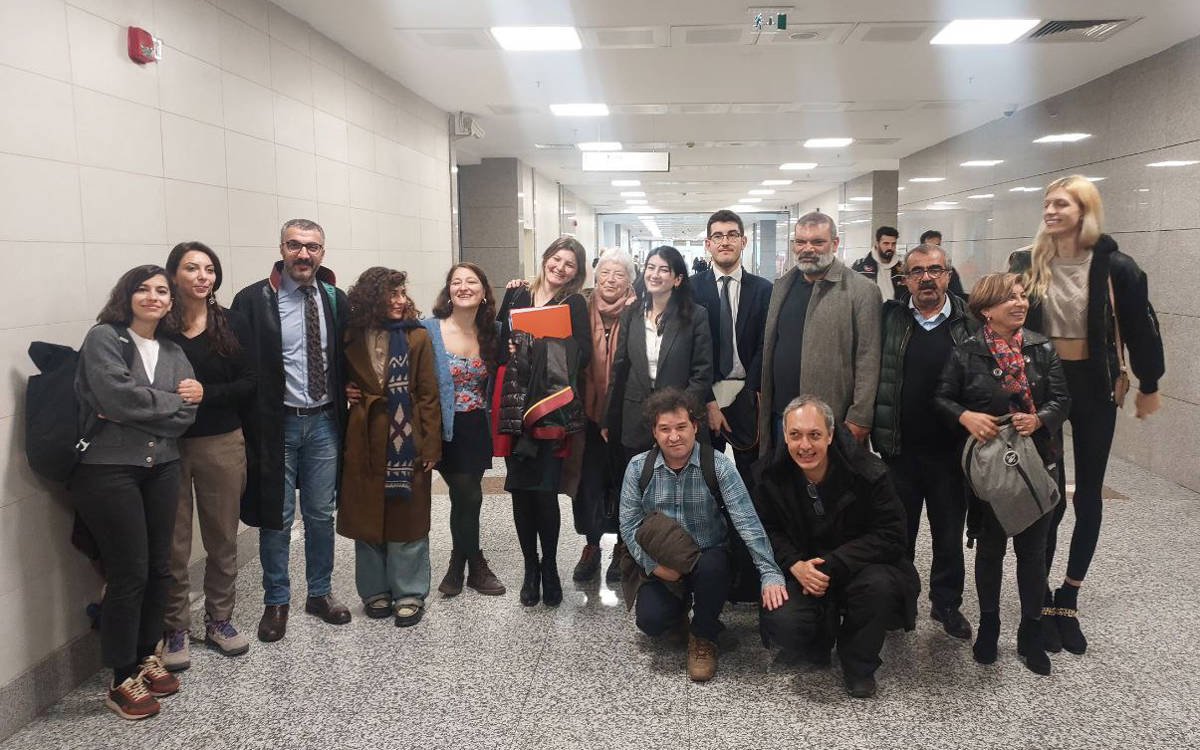
The case targets Tuğçe Yılmaz, an editor at Bianet, along with freelance journalists Erdoğan Alayumat, Suzan Demir, Taylan Abatan and Gülcan Dereli, translator Serap Güneş and sociologist Berfin Atlı, all of whom produced content for the outlet. Prosecutors are seeking prison sentences of between five and 10 years for each defendant.
In a written opinion submitted to the Istanbul 13th High Criminal Court, the prosecutor said the defendants’ articles for Germany-based outlets Yeni Özgür Politika and its supplement PolitikArt, a culture and arts magazine, helped sustain what authorities describe as media organizations linked to the outlawed Kurdistan Workers’ Party (PKK), designated by Turkey and its Western allies as a terrorist organization.
The prosecutor argued that contributing articles and other content went beyond legitimate journalism and amounted to assisting in the organization’s aims by helping maintain its publications and amplify its messaging. Freelance payments were cited as evidence of a financial relationship sufficient to constitute the crime of aiding an armed terrorist organization.
The defendants appeared before the Istanbul 13th High Criminal Court in early December, where they denied the charges. They are expected to present formal defenses at the next hearing, scheduled for February 17, before the court issues a final ruling.
The investigation began last year with coordinated police raids across several Turkish cities, including Istanbul, Ankara and Diyarbakır, targeting journalists, writers and artists. Some suspects were briefly jailed, while others were released under judicial supervision. In related cases courts later ordered the release of two detained journalists, and prosecutors dropped charges against another journalist in Ankara.
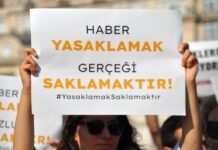
The case is one of many in recent years in which Turkish authorities have used broadly worded anti-terrorism laws to prosecute journalists, writers and academics, sparking criticism from press freedom advocates and human rights groups that say such cases criminalize reporting and opinion.
Turkey frequently brings terrorism-related charges against journalists and media workers, most commonly alleging links to the outlawed PKK, which has waged a decades-long insurgency against Turkish state.
Press freedom and human rights groups say such cases often rely on reporting activity, sources or published content rather than evidence of involvement in violence and are used to deter critical coverage of the Kurdish issue.
The Kurdish issue, a term prevalent in Turkey’s public discourse, refers to the demand for equal rights by the country’s Kurdish population and their struggle for recognition.
Turkey, which remains one of the world’s leading jailers of journalists, according to press freedom organizations, dropped to 159th out of 180 countries in the 2025 World Press Freedom Index, published by Reporters Without Borders (RSF) in early May.