Kurdish militants who have laid down their arms should be reintegrated into society, Turkish lawmakers said in a key report released Wednesday, while avoiding any reference to an “amnesty,” Agence France-Presse reported.
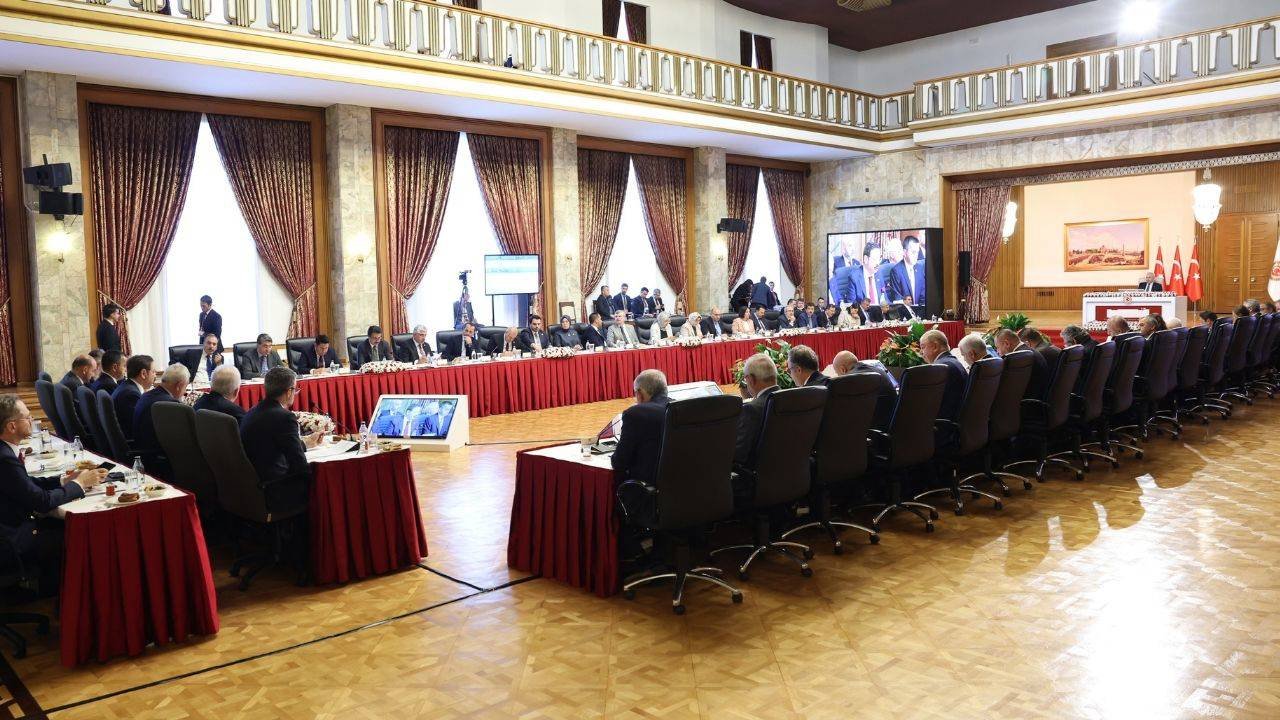
The recommendations of the cross-party parliamentary commission are meant to prepare the legal groundwork for peace moves between Turkey and the outlawed Kurdistan Workers’ Party (PKK).
Last year the PKK formally renounced its armed struggle against Turkey after four decades of violence that claimed some 40,000 lives on both sides.
The commission’s 50 lawmakers are to vote on the report later Wednesday, which will then be put to the Turkish parliament for approval before becoming law.
“The law should seek the reintegration of individuals who reject weapons and violence into society,” the report said, while stressing that the “legal regulations should not create a perception of impunity and amnesty.”
It made no reference to the fate of the PKK’s jailed founder Abdullah Öcalan, who has led efforts to end the conflict from his cell on İmralı island near İstanbul where he has been held since 1999.
An easing of his prison conditions — and ultimately his release — has been a key demand of the PKK, which last year announced its dissolution followed by a highly symbolic weapons-burning ceremony.
The report also called for steps to strengthen Turkish democracy, notably for a revision of terrorism laws to “strengthen freedom of expression.”
“Non-violent acts should not be classified as terrorism, and actions that should fall within the scope of freedom of expression should not be considered terrorism,” it said.
‘Compliance’ with ECtHR rulings
The pro-Kurdish Peoples’ Equality and Democracy Party (DEM Party), Turkey’s third-biggest party, a key player in facilitating the peace moves, has pushed hard for Turkey to ease conditions for Öcalan and others arrested for political reasons during the conflict.
The report also recommended legislation regarding prisoners’ sentences and conditions for release “be reviewed with a fairer and more equitable approach.”
It stressed “the importance of full compliance with decisions of the European Court of Human Rights,” saying mechanisms to ensure compliance “must be strengthened” and “administrative obstacles” removed.
It was understood to be a reference to a binding ECtHR ruling ordering Turkey to release Kurdish leader Selahattin Demirtaş, who has been jailed since 2016 on “terror related offences” largely seen as political.
The commission, which held its first meeting on August 5, was chaired by parliamentary speaker Numan Kurtulmus, who said Turkey was going through “a historic period.”
“A lasting solution to Turkey’s terrorism problem necessitates multifaceted… and comprehensive policies that are not limited to the security dimension alone,” he said while presenting the report.