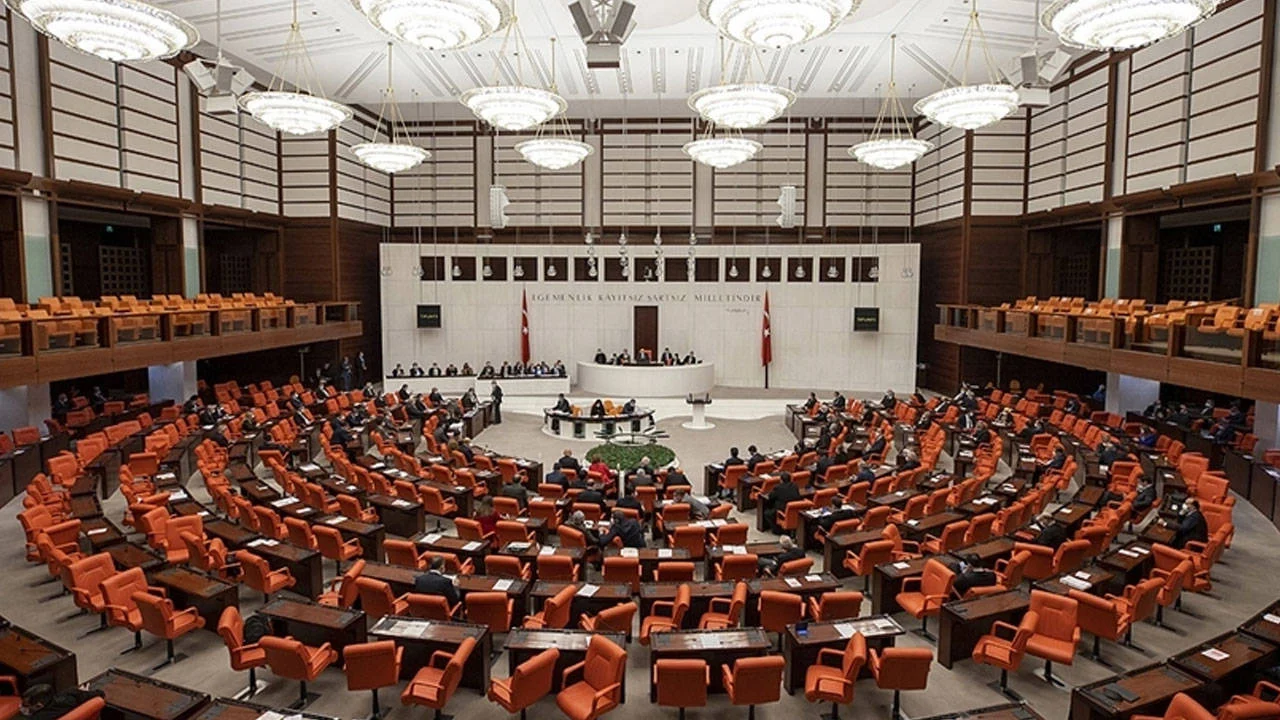
Turkey’s parliament on Wednesday voted down a proposal to investigate unusual gains in wealth among senior officials and politicians who have served under the country’s presidential system of governance, with the ruling bloc defeating the measure despite opposition support.
According to the TR724 news website, the proposal, introduced by the opposition New Path Party (YYP), would have established a parliamentary commission to examine the assets of vice presidents, ministers, lawmakers, university rectors, mayors, governors and board members of state-linked institutions. Supporters said the commission could have reviewed the finances of officials and their immediate relatives in a short period of time.
Selçuk Özdağ, a YYP lawmaker from Muğla who presented the proposal on the assembly floor, said the wealth of politicians, bureaucrats and ministers had become a subject of intense public debate in Turkey. He called on the government to revive a previously existing legal mechanism that required officials to account for the origin of their assets — a tool that has been weakened by subsequent legislation over the years.
Özdağ said the current system, in which officials are required to declare their assets in statements not available to the public, effectively eliminates public oversight. He argued that the assembly and public administration had suffered a loss of credibility and that the legislature needed to take concrete steps toward transparency.
Opposition parties backed the proposal. The measure was nonetheless defeated by the votes of ruling Justice and Development Party (AKP) and far-right Nationalist Movement Party (MHP) lawmakers. The AKP, which has governed Turkey since 2002, and its coalition partner the MHP together have enough seats to block opposition motions.
The vote came as Turkey was ranked 124th out of 180 countries in Transparency International’s most recent corruption perceptions index, a standing that has fueled recurring public debate about accountability in government.