Turkey’s justice minister has criticized Western allies for refusing to extradite individuals Ankara accuses of links to the faith-based Gülen movement, saying thousands of requests have gone unanswered as the government vows to continue its crackdown on the group, Turkish Minute reported.
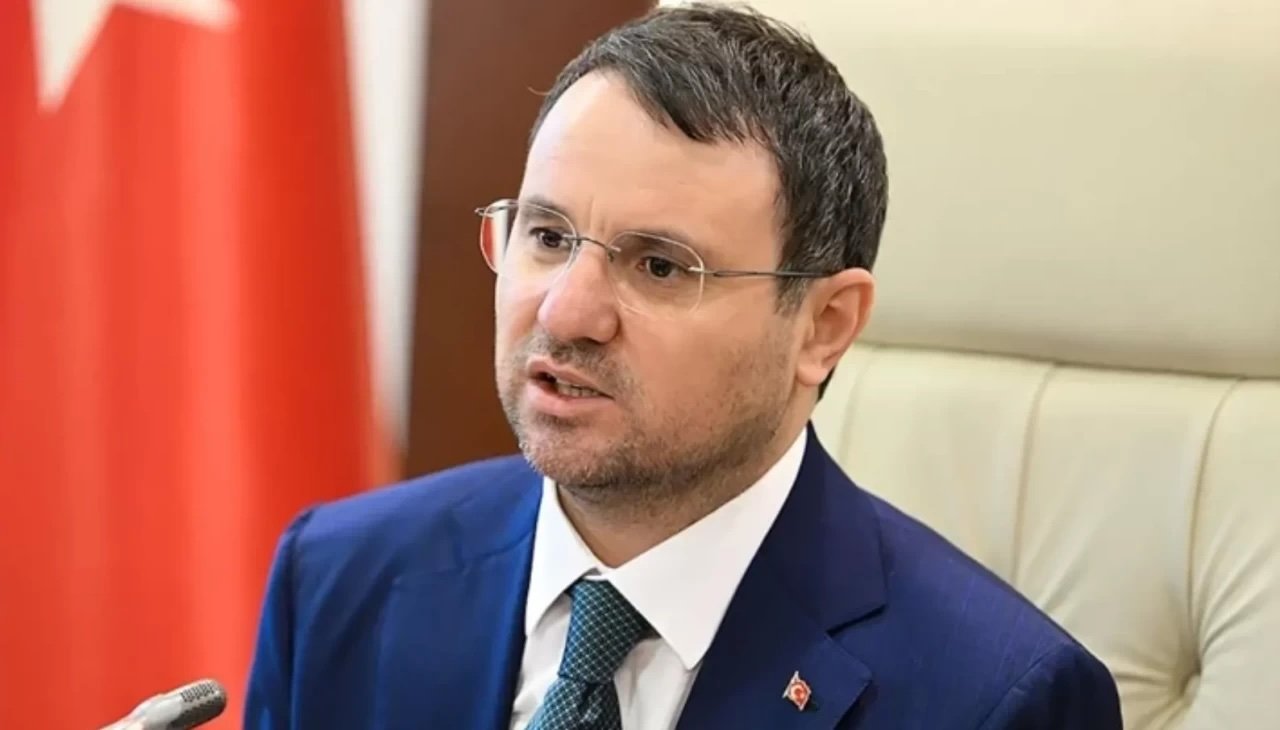
In an interview with the pro-government Hürriyet newspaper published Monday, Justice Minister Akın Gürlek, who was appointed in February, said Turkey has submitted 2,889 extradition requests for 2,707 people across 119 countries but has seen almost no cooperation.
Turkish President Recep Tayyip Erdoğan has targeted followers of the Gülen movement, inspired by the late Muslim cleric Fethullah Gülen, since corruption investigations in December 2013 implicated him as well as some members of his family and inner circle. He dismissed the probes as a Gülenist conspiracy and later designated the movement a terrorist organization in May 2016, intensifying a sweeping crackdown after a coup attempt in July of the same year that he accused Gülen of orchestrating. The movement denies involvement in the coup attempt or any terrorist activity.)
Most of the requests were sent to the United States and European Union member states, Gürlek said, adding that only three people have been extradited so far — two from Romania and one from Algeria — despite existing judicial cooperation agreements.
“Although we have international agreements with countries such as the United States and Germany, we have not received a positive response from our allies,” Gürlek said, arguing that the movement is being protected abroad.
The minister said Turkey will continue raising extradition demands in bilateral meetings, describing the effort as a “national struggle.”
Turkish authorities have also sought thousands of INTERPOL Red Notices for Gülen-linked people, though Gürlek said none have been acted upon.
Gürlek had raised the issue earlier this month in a meeting with Dutch Justice Minister David van Weel, calling for stronger judicial cooperation and concrete steps against individuals linked to the movement.
The extradition push came as Dutch courts continue to treat cases involving Gülen movement supporters with caution. On March 25 the Dutch Council of State, the country’s highest administrative court, said the human rights situation for Gülen supporters in Turkey remains “worrying.”
Meanwhile, the minister, a former judge and top prosecutor in İstanbul who led high-profile investigations involving opposition figures, said operations targeting the movement would continue both inside Turkey and abroad, nearly a decade after the failed coup.
He said prosecutors and security units were monitoring what he described as the movement’s “current structure,” including recruitment and financial activity, adding that new investigations and operations were underway.
“All our prosecutors are on the alert,” Gürlek said. “This organization constantly renews itself, and we have important findings and preparations for operations that have reached a certain level of maturity.”
The minister’s remarks come against the backdrop of an ongoing crackdown on the Gülen movement that has drawn sustained criticism from rights groups and European courts.
Since 2016 Turkish authorities have used criteria such as having an account at the now-defunct Bank Asya, using the ByLock messaging app or subscribing to now-closed publications linked to the movement as evidence in terrorism cases.
In 2023 the European Court of Human Rights (ECtHR) ruled that the use of such criteria, including ByLock and bank records, as criminal evidence was unlawful, but the rulings have not led to a change in Turkey’s judicial practices.
Rights groups say the crackdown has led to the dismissal of some 130,000 civil servants, including judges and teachers, as well as military personnel, while thousands have been jailed.
Many others have fled Turkey to avoid prosecution and sought asylum in Europe, North America and elsewhere.
Since the coup attempt Erdoğan’s long arm has reached tens of thousands of Turkish citizens abroad. From surveillance through diplomatic missions and pro-government diaspora organizations to the denial of consular services and outright intimidation and illegal renditions, the Turkish government has employed a wide range of tactics against its critics overseas.
The campaign has mostly relied on renditions, in which Turkey and its National Intelligence Organization (MİT) persuade other states to hand over individuals without due process. Victims of such operations have reported several human rights violations, including arbitrary arrest, torture and ill-treatment.
MİT has acknowledged conducting operations for the forcible return of more than 100 people accused of links to the Gülen movement.
Apart from Turkey, no member state of the Council of Europe designates the Gülen movement as a terrorist organization.