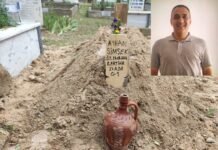
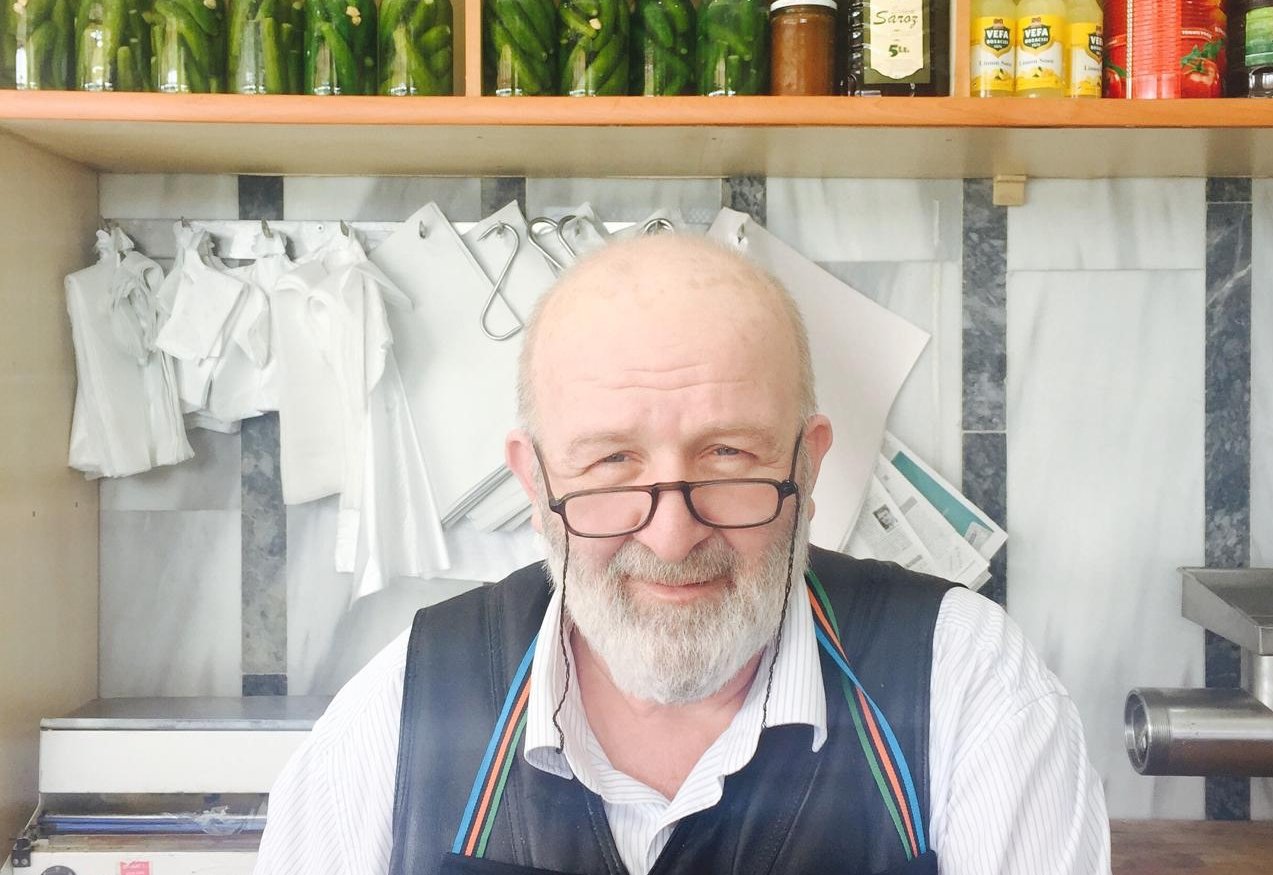
Turkey’s Council of Forensic Medicine (ATK) has ruled that a 72-year-old man convicted over alleged links to the faith-based Gülen movement can remain in prison despite serious health problems, a decision his family says puts his life at risk, the TR724 news website reported.
The ruling, issued in December, means that Abdullah Tırpan will continue serving his sentence unless courts decide otherwise since the council’s medical assessments play a central role in determining if prisoners qualify for release on health grounds.
The ATK frequently comes under criticism over its questionable reports that find ailing inmates fit to remain in prison. Rights advocates slam the agency over its lack of independence from political influence and its role in compounding the persecution of political prisoners
His daughter, Esra Tırpan Yakut, said her father suffers from advanced diabetes that has caused severe nerve damage and chronic wounds in his feet, leaving him unable to walk and dependent on other inmates for basic care. She said he has been taken to the hospital roughly 40 times since his detention in 2016 and has repeatedly lost consciousness after receiving high doses of insulin to control his blood sugar levels.
“My father is 72 years old and cannot care for himself,” Yakut said. “If he remains in prison any longer, his chances of survival are very low. We are asking for a fair decision that takes his health into account.”
Tırpan was first detained on August 16, 2016, during a crackdown that followed a failed coup a month earlier, and spent some 19 months in pretrial detention. He was later sentenced to seven-and-a-half- years in prison by the Tekirdağ 3rd High Criminal Court and subsequently appealed the ruling. After Turkey’s Supreme Court of Appeals upheldthe sentence, Tırpan was re-arrested on February 25, 2025.
President Recep Tayyip Erdoğan has been targeting followers of the Gülen movement, inspired by the late Muslim cleric Fethullah Gülen, since corruption investigations in December 2013 implicated him as well as some members of his family and inner circle.
Dismissing the investigations as a Gülenist coup and a conspiracy against his government, Erdoğan began to target the movement’s members. He designated the movement as a terrorist organization in May 2016 and intensified the crackdown on it following an abortive putsch in July of the same year that he accused Gülen of masterminding.
The court convicted Tırpan on charges based on his deposits at Bank Asya, his subscriptions to movement-affiliated magazines and newspapers, sending his children to schools later closed for alleged Gülen links, making donations to related charities and membership in a foundation associated with the movement.
Since the coup attempt in 2016, the Turkish government has accepted such activities as having an account at the now-shuttered Bank Asya, one of Turkey’s largest commercial banks at the time; using the ByLock messaging application, an encrypted messaging app that was available on Apple’s App Store and Google Play; and subscribing to the now-shut-down Zaman daily or other publications affiliated with members of the movement as benchmarks for identifying and arresting alleged followers of the Gülen movement on charges of membership in a terrorist organization.
In a 2018 statement to the court Tırpan denied involvement in illegal activity and said he ran a family business with multiple retail locations and an industrial kitchen. “I have no criminal record,” he told the court, adding that his accounts and donations were personal and not part of any organizational activity.
According to Law No. 5275, the sentence of a prisoner who, due to a serious illness or disability, is unable to manage life on their own under prison conditions and who is not considered a serious or concrete danger to society, may be suspended until they recover. However, the stipulated suspension of sentence is often not implemented.
The Human Rights Association (İHD) says more than 1,400 sick prisoners are currently held in Turkey, including hundreds in critical condition. Complaints include delays in taking inmates to hospitals, inadequate treatment in prison infirmaries and forensic reports that allow seriously ill detainees to remain incarcerated.