
Turkey is using its disinformation law to criminalize independent reporting through repeated detentions and prosecutions, the Committee to Protect Journalists (CPJ) said Monday, urging the government to repeal the legislation and release journalists imprisoned under it.
In an analysis published October 5, the press freedom organization described the practice as “lawfare,” the use of legal institutions to suppress legitimate journalism.
CPJ documented 16 arrests and detentions involving 14 journalists between the beginning of 2026 and September 4.
Two journalists were targeted twice and two remained imprisoned as of mid-September. The figures predate further arrests later that month.
The organization said lengthy proceedings and repeated detentions discourage reporting even when cases ultimately end without a conviction.
Article 217/A of the Turkish Penal Code, introduced in October 2022, carries prison sentences of one to three years for publicly spreading false information concerning security, public order or public health with the sole intention of creating anxiety, fear or panic, in a manner capable of disturbing the public peace.
An April study by independent data journalism platform Veriler Ne Diyor found that at least 83 journalists had faced the accusation 114 times since the provision took effect. Of 54 investigations documented in the study, 41 ended without prosecution.
Among the journalists targeted was İsmail Arı, an investigative reporter for the left-wing BirGün daily, who was released in June after 75 days in pretrial detention.
Arı had been questioned about articles and social media posts examining public funding for foundations linked to the family of President Recep Tayyip Erdoğan. His release did not end the proceedings against him.
The legislation has also been used against reporting on earthquakes that struck Turkey in February 2023. Mezopotamya news agency reporter Yüsra Batıhan received a 10-month suspended sentence over posts alleging that Turkey’s disaster management agency, AFAD, obstructed journalists and seized aid.
Sinan Aygül, the first journalist convicted under the provision, received a 10-month sentence over posts alleging child abuse in the eastern district of Tatvan in Bitlis province. The sentence was not suspended, but his conviction was overturned and he was subsequently acquitted in 2024.
More recently, journalist Ali Tarakçı was jailed in September after predicting on X that an unnamed cabinet minister would resign. No such resignation occurred, and his entire X account was blocked in Turkey.
Nefes newspaper news coordinator Fatih Ergin was arrested days later over a post concerning the death of a doctor. Ergin corrected his initial description of the man as a forensic expert, saying he had worked at a prison campus.
CPJ said the Justice Ministry did not respond to its request for comment on those arrests.
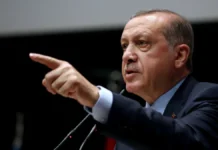
Erdoğan has defended efforts to combat disinformation. In a May 2022 address he described “digital fascism” as a threat to access accurate news and argued that social media platforms posed risks to societies.
CPJ urged Turkey to repeal Article 217/A, free journalists held under it, drop charges arising from reporting or commentary and align its freedom of expression legislation with its international obligations.
This article is republished from Turkish Minute.