
Turkey is discussing a temporary law to manage the next phase of a renewed peace effort with the Kurdistan Workers’ Party (PKK), as veteran Kurdish politician Ahmet Türk said the process needs visible steps to build trust, Turkish Minute reported.
The PKK, which Turkey and its Western allies designate as a terrorist organization, has fought the Turkish state since 1984 in a conflict that has killed more than 40,000 people. A parliamentary commission approved a roadmap last week that links legal changes to the group’s laying down of arms and disbandment.
Ankara is not discussing a broad amnesty. It is considering a narrow, phased legal framework tied to verification that weapons are surrendered.
Turkish media reports say the first step would be a temporary, stand-alone law for the process. A later phase could include changes to how courts define membership in an armed group and who may qualify for reduced sentences or supervised reintegration.
“Effective remorse,” which refers to Turkey’s legal provisions that can reduce punishment for suspects or convicts who cooperate with authorities, leave an armed group or provide information, depending on the case, will be expanded or revised to include people not accused of violent crimes.
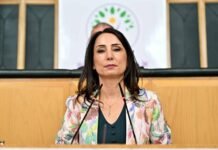
Ahmet Türk, a veteran Kurdish political figure and former elected mayor of Mardin who was removed from office and replaced by a state appointee, said recent statements by far-right Nationalist Movement Party (MHP) leader Devlet Bahçeli about possible freedom for jailed PKK founder Abdullah Öcalan were important but not enough on their own. Türk told BBC’s Turkish service that the public now expects concrete action and warned that distrust is growing because there have been no visible steps yet.
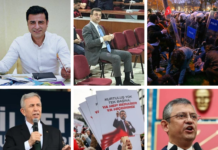
Türk said confidence-building measures should come early and pointed to issues such as the government’s practice of replacing elected Kurdish mayors with trustees and legal cases involving jailed Kurdish politician Selahattin Demirtaş. He also said legal steps should move in parallel with confirmed giving up of arms, showing that Kurdish political actors are also signaling a phased approach rather than immediate, unconditional concessions.
Türk also commented on a growing debate over Öcalan, the imprisoned PKK founder held on İmralı island since 1999. After Bahçeli raised questions about Öcalan’s legal “status,” Türk said he viewed the remarks as opening discussion on prison conditions and communication, not necessarily release. He argued that Öcalan’s broader contact with outside world could help support a lasting settlement.