İstanbul prosecutors say two criminal networks whose leaders are in foreign prisons used 74 minors in murders, shootings and armed robberies, in a case that has fueled concern about street gangs pulling teenagers into organized crime, Turkish Minute reported.
The İstanbul Chief Public Prosecutor’s Office said on Wednesday that it has filed indictments against 74 suspects younger than 18 in investigations into the group known as the Daltonlar and a network linked to gang leader Barış Boyun.
The office, which oversees serious criminal cases in Turkey’s largest city, said the minors face charges in connection with 65 separate gang actions, including killings, attempted killings and armed extortion attempts carried out for the two groups.
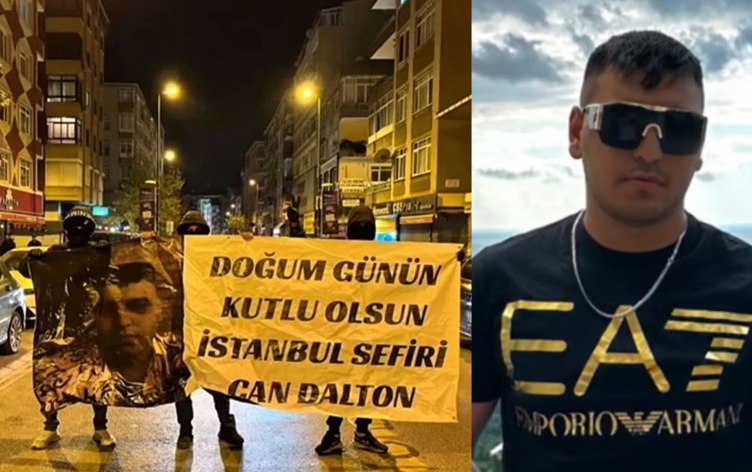
Prosecutors say 34 minors took part in 33 incidents tied to the Daltonlar, a street gang that police describe as part of a new generation of youth-led groups behind a rise in gun violence in İstanbul.
The statement said 15 of the 34 minors are already in pretrial detention and that 19 are under judicial supervision measures. They are accused of membership in an armed organization formed to commit crimes, intentional homicide, attempted homicide, aggravated robbery, threats with firearms, damage to property, violations of Turkey’s firearms law, the smuggling and sale of guns and ammunition, the purchase and possession of heavy weapons, forgery of official documents, endangering public safety and theft.
Prosecutors asked a juvenile criminal court to sentence the youngsters to prison terms ranging from 20 months to 79 years.
The office said a separate indictment covers 40 minors linked to the Barış Boyun network, accused of taking part in 32 gang actions. In that case, 23 are in pretrial detention and 16 are under judicial supervision.
Those minors face charges of membership in an armed organization formed to commit crimes, attempted homicide, aggravated robbery, threats with firearms, damage to property, firearms law violations, destruction or concealment of evidence, smuggling and the sale of guns and ammunition, the purchase and possession of heavy weapons, forgery of official documents and endangering public safety.
Prosecutors asked the juvenile court to sentence them to between 20 months and 75 years in prison.
Leaders jailed abroad
The Daltonlar group takes its name from cartoon bandits of Lucky Luke inspired by a real-life American gang and has built its brand on social media, where videos of young men on motorcycles firing guns into the air have drawn wide attention and anger in Turkey.
The group’s leader, Beratcan Gökdemir, is reportedly under arrest in Russia on separate charges, while Turkish police continue raids against his network inside Turkey.
The network associated with Barış Boyun is often described by Turkish and European officials as a new-generation Turkish mafia structure with cells in several European countries. Italian police arrested Boyun in May 2024 in a joint operation with Turkish authorities that targeted his group in Italy, Switzerland, Germany and Turkey.
Italian and Turkish documents say the Boyun network faces accusations of drug trafficking, murder, attempted murders and plans for attacks in Europe and Turkey.
Boyun remains in custody in Italy while courts there examine Turkish extradition requests, which include organized crime charges.
Rising concern over minors in gangs
The new indictments come as official figures show a sharp rise in the number of minors drawn into crime in Turkey. Government statistics released in October said the number of minors who came into contact with law enforcement as suspects rose by more than 50 percent in nine years, with organized crime-linked offenses, including murder and drug trafficking, among the fastest growing categories.
Interior Minister Ali Yerlikaya has repeatedly singled out youth gangs like the Daltonlar and the Boyun network in public statements, saying they use minors as motorcycle drivers, lookouts and shooters in drive-by attacks, and present gang life as a path to status on social media platforms such as TikTok.
Rights advocates in Turkey warn that many of the teenagers pulled into these groups come from poor neighborhoods, have weak ties to school and work and see gang membership and online fame as a rare route to money and respect.
The indictments against the 74 minors do not address those social factors. They focus instead on specific incidents, including killings and attempted killings with automatic weapons, extortion attempts against shop owners and assaults that prosecutors say aimed to intimidate rival gangs and show strength.
Under Turkish law minors face lighter sentences than adults and serve time in juvenile facilities rather than adult prisons, but the charges in these cases still carry very long potential prison terms.